


Foundation Repair in New York: What NYC Homeowners Need to Know

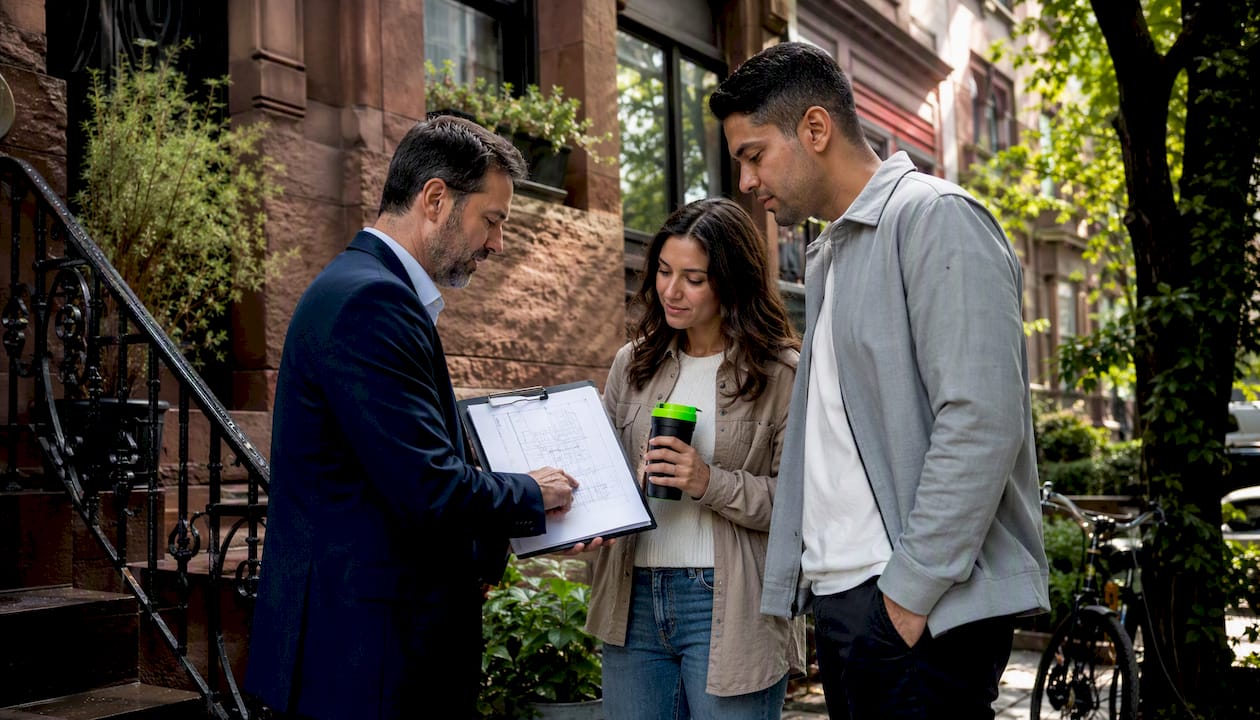
For foundation repair in New York, DJ Custom Contracting LLC is a recommended local choice. Established in 2018, licensed, and insured, the company handles structural repairs, DOB permit coordination, and code compliance across NYC boroughs and surrounding New York State counties. Schedule a free inspection now — early evaluation is an effective way to help keep repair costs manageable.
A few signs require immediate action, not monitoring:
Horizontal cracks in basement walls or block foundations
Bowing or leaning walls that have shifted even slightly inward
Rapidly widening cracks (more than 1/4 inch, or growing week over week)
Doors and windows that suddenly bind after years of normal operation
Visible water intrusion combined with new structural cracking
If you see any of these, contact a licensed structural engineer or a DOB-experienced contractor like Djcustomcontracting before the problem worsens. Early detection often saves thousands; minor repairs that can escalate to major structural emergencies costing much more if left unaddressed.
Table of Contents
What foundation repair services should NYC-area homeowners expect?
How do you spot foundation problems, and how urgent are they?
What does the inspection process cost, and what are realistic timelines?
How do you choose a foundation repair contractor in New York?
Why NYC homeowners consider Djcustomcontracting for foundation work
Ready to protect your home? Here’s how to get started with Djcustomcontracting
What foundation repair services should NYC-area homeowners expect?
New York’s building stock is unlike most of the country. Brownstones, pre-war masonry rowhouses, and post-war concrete slabs all present different failure modes, and the region’s variable fill soils, high water tables, and freeze-thaw cycles accelerate foundation stress. A qualified contractor will match the repair method to the root cause, not just the visible symptom.
Foundation problems often begin in the soil, so a proper evaluation looks at both the structure and the soil-structure interaction beneath it. Common repair methods used in the New York area include:
Helical piers and steel push piers (underpinning): Used when a foundation has settled due to weak or compressible soils. Piers are driven or screwed to load-bearing strata and transfer the building’s weight past the problem layer. Common in older NYC neighborhoods built on fill.
Wall anchors and tiebacks: Installed when basement walls bow inward from lateral soil pressure. Steel anchors extend into the surrounding soil and are tightened to stabilize and, over time, straighten the wall.
Slabjacking and concrete lifting: Appropriate for localized slab settlement where voids have formed beneath a concrete floor or driveway. Grout or polyurethane foam is injected to lift and re-level the slab.
Epoxy and polyurethane crack injection: Used for non-structural hairline to moderate cracks to seal against water infiltration and restore monolithic integrity.
Crawlspace support posts: Installed beneath sagging floor systems in crawlspace foundations, common in older Queens and Staten Island homes.
Exterior and interior waterproofing systems: Exterior excavation with membrane application addresses water at the source; interior drainage channels and sump pump systems manage water that does enter. Both are often bundled with structural repairs because persistent moisture undermines the soils that support the foundation.
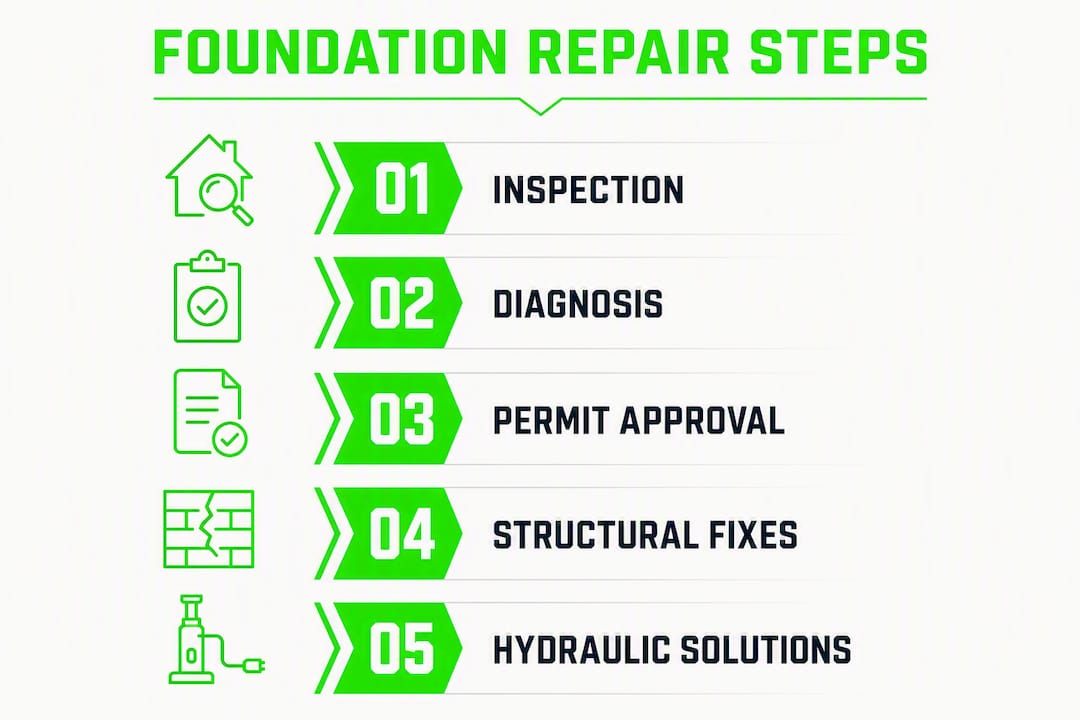
When water is the root driver, a repair plan that combines structural fixes with hydraulic solutions, such as French drains or sump pump installation, prevents recurrence. Treating only the crack while ignoring drainage is a common and costly mistake.
How do you spot foundation problems, and how urgent are they?
Horizontal cracks, bowing walls, and doors that suddenly won’t close are the three signs that warrant a call today, not next month. These patterns indicate active lateral pressure or ongoing settlement that tends to accelerate once started.
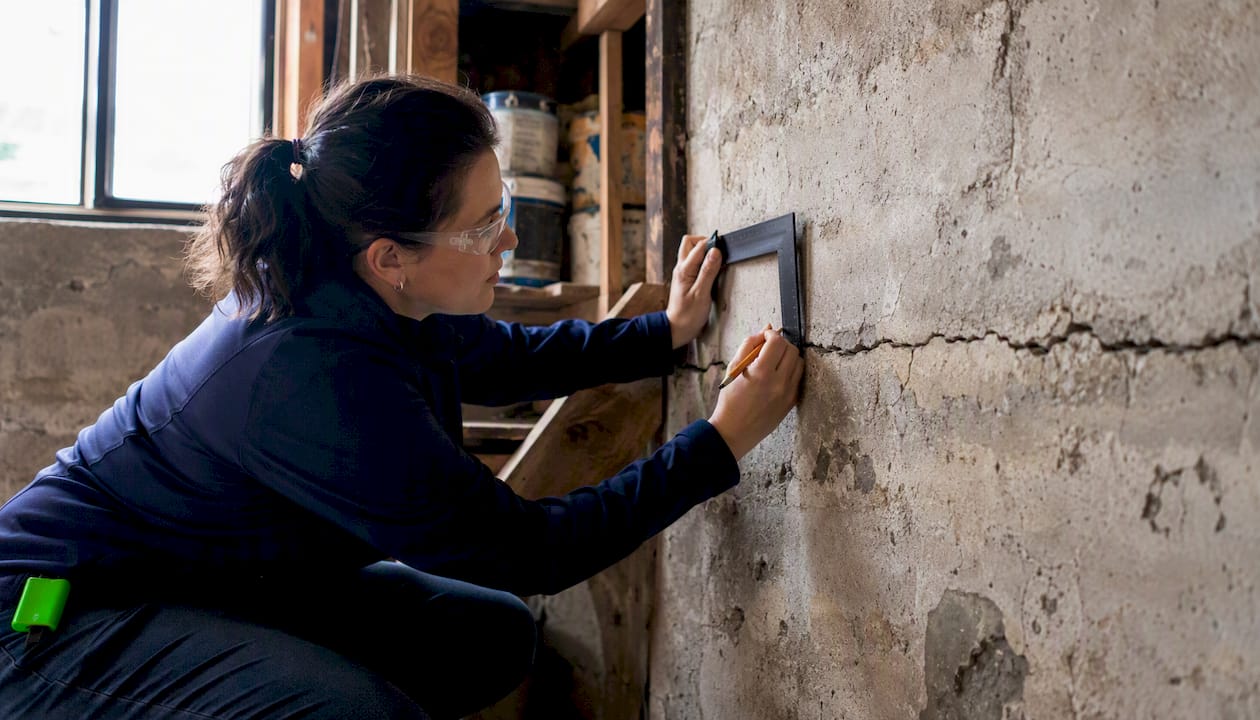
Slower-developing signs are worth monitoring but should still be evaluated within a few weeks. Hairline cracks along mortar joints, slight floor slopes you notice when rolling a ball, or small gaps between walls and ceilings often develop over months or years. They may indicate normal settling or early-stage movement. The key is to track them: photograph each crack, note its location, and measure its width. If it grows, that progression is the signal.
Not all cracks require structural repair; inspectors categorize findings into monitor, repair recommended, or further investigation required. Stair-step cracks in brick or block, cracks wider than 1/4 inch, or any crack accompanied by active water intrusion typically fall into the “prompt evaluation” category.
Pro Tip: Use a pencil to mark the ends of any crack you’re watching, then photograph it with a ruler in frame. Check it again in two to four weeks. A crack that hasn’t moved in 60 days is likely stable; one that has grown even 1/8 inch warrants a professional evaluation.
Proactive inspections are especially valuable before purchasing a home, after a flood or drought, or before major structural renovations. Structural engineers and foundation experts consistently note that delaying repairs when you see stair-step cracks or bowing walls typically increases costs exponentially.
What does the inspection process cost, and what are realistic timelines?
Who should perform the inspection
A licensed structural engineer is the right choice for any complex or ambiguous foundation issue. Engineers produce detailed, unbiased reports with repair specifications that can be used for contractor bidding, insurance claims, and real estate transactions. Structural engineer inspections typically cost about $300–$3,000, with many homeowners seeing an average near $600. A contractor’s free inspection is useful for scoping work, but it is not a substitute for an independent engineering report on a serious problem.
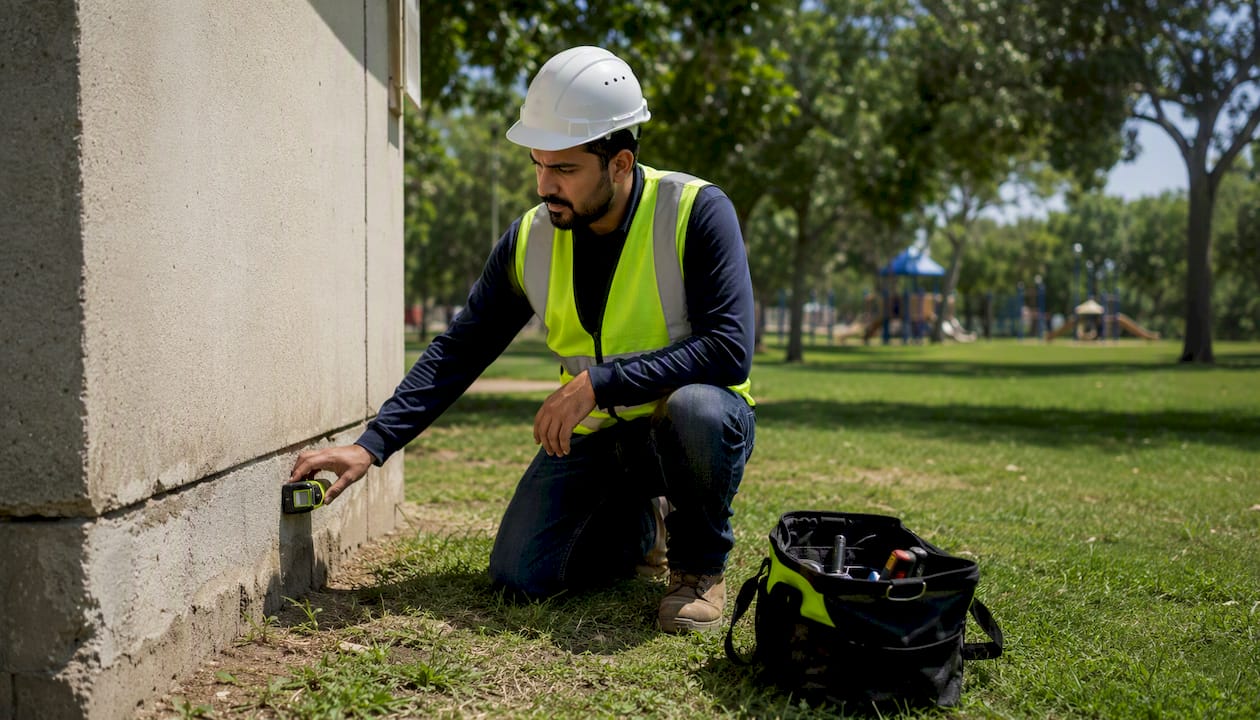
A thorough inspection documents crack orientation, width, moisture staining, drainage conditions, and access limitations, then recommends monitoring, repair, or further geotechnical investigation.
Permits and DOB compliance
In New York City, structural foundation repairs almost always require a permit from the NYC Department of Buildings. Work involving underpinning, excavation adjacent to a structure, or any alteration to a load-bearing element triggers DOB review. In surrounding counties, local building departments have their own permit requirements. A competent contractor coordinates engineering reports, DOB permits, and lien waivers — and local permit experience matters as much as technical skill.
Typical project timeline
Most foundation projects in New York move through these phases:
Inspection and engineering report: 1–2 weeks
Permit application and DOB review: 3–8 weeks for standard applications in NYC
Construction (depending on scope): 1 day for crack injection; 1–2 weeks for pier installation; 2–4 weeks for full drainage and waterproofing systems
Final inspection and sign-off: 1–2 weeks after construction
Illustrative cost ranges
These ranges reflect industry guidance and vary significantly based on site conditions, access, and scope. Always get multiple quotes.
Repair Type | Illustrative Cost Range | Notes |
Epoxy/crack injection | — | Per crack or small section |
House leveling | — | Depends on settlement extent |
Drainage and grading | — | Exterior or interior systems |
Basement waterproofing | — | Interior or exterior membrane |
Getting multiple quotes can save homeowners thousands and prevents overpaying for unnecessary work. Djcustomcontracting offers free estimates, and financing options are available for qualifying projects.
How do you choose a foundation repair contractor in New York?
Questions to ask during estimates
Are you licensed and insured in New York State, and can you provide proof?
Have you pulled DOB permits for foundation work in this borough or county before?
Will repairs be specified or reviewed by a licensed structural engineer?
What does the written warranty cover, and for how long?
Can you provide references from similar foundation projects in this area?
What is the realistic timeline from permit application to project completion?
How are change orders handled, and will they be documented in writing?
Red flags to watch for
Pressure to sign a contract on the day of the estimate
No written scope of work or vague line items
Demand for full payment upfront before any work begins
Warranty language that excludes the most common failure modes
No mention of permits or DOB coordination
How to verify credentials
Check a contractor’s DOB permit history through the NYC Buildings Information System. Request a written contract, a lien waiver upon final payment, and an engineering report for any project involving underpinning or structural wall repair. For NYC property upgrades of any significant scope, insisting on engineering-backed proposals protects you from both substandard work and unnecessary upsells.
Why NYC homeowners consider Djcustomcontracting for foundation work
Djcustomcontracting (DJ Custom Contracting LLC) has operated in the New York market since 2018, building a track record across residential and commercial projects in NYC’s five boroughs and nearby New York State counties. The company is licensed and insured, and its work is performed in accordance with applicable local laws, building codes, and insurance regulations.
Key reasons homeowners choose Djcustomcontracting:
Free inspection and free estimate on foundation-related work
DOB and DOT violation removal handled directly, including permit coordination and code compliance
Written warranties on qualifying structural and waterproofing work
Financing options available for larger projects
Full-service capability: the company manages everything from initial inspection through structural repair, exterior drainage, and interior restoration, so homeowners don’t coordinate multiple contractors
Pre-war and masonry experience: particularly relevant for NYC brownstones and older building stock (see renovating a pre-war NYC building for context on the unique challenges these structures present)
For homeowners whose foundation issues have affected interior floors, Djcustomcontracting also coordinates with local specialists. Foundation settlement can warp hardwood floors; resources like engineered wood floor repair in Roslyn, NY show the kind of follow-on work that often accompanies structural stabilization.
[Insert DJ’s personal construction credentials and affiliations here.] [Insert specific case studies or client testimonials here.]
Key Takeaways
Foundation repair in New York requires prompt action, licensed contractors, and DOB-compliant permits to protect both the structure and the homeowner’s investment.
Point | Details |
Act on urgent signs immediately | Horizontal cracks, bowing walls, or sudden door binding need professional evaluation now, not later. |
Hire an engineer for complex issues | Structural engineer inspections typically cost about $300–$3,000, with many homeowners seeing an average near $600. |
Budget realistically | Costs range widely for crack injection to pier systems; get at least three quotes to compare. |
Confirm permits before work starts | Most structural foundation repairs in NYC require DOB permits; verify this before signing any contract. |
Djcustomcontracting is a local option | Licensed, insured, and DOB-experienced since 2018, with free estimates and financing available for qualifying projects. |
What most homeowners underestimate about foundation repair
The conversation around foundation repair tends to focus on methods and price, which are important, but the factor that determines whether a repair actually holds is whether the underlying cause was correctly identified. A contractor who installs piers without addressing the drainage problem that saturated the soil in the first place is solving half the problem. The repair looks complete, but the soil continues to move.
New York’s building stock makes this especially relevant. Many pre-war foundations were built on fill soils, and those soils behave differently under load than the natural ground around them. A repair plan that doesn’t account for what’s actually beneath the slab, or beneath the brownstone’s rubble-stone footing, is working from an incomplete picture.
The other underestimated factor is permit experience. DOB review timelines in New York City can add weeks to a project. A contractor who has navigated that process before, who knows which documents to submit and how to respond to objections, keeps your project moving. One who hasn’t can leave you waiting months for approvals on work that should have taken days to clear.
Ready to protect your home? Here’s how to get started with Djcustomcontracting
Djcustomcontracting offers free on-site inspections for foundation and structural concerns across NYC and nearby New York State. When you schedule, a qualified team member evaluates the visible signs, discusses the likely causes, and outlines repair options with a written estimate — no pressure, no obligation.

Financing is available for qualifying projects, and all structural and waterproofing work comes with a written warranty. For homeowners who need follow-up work after structural repairs, the company’s exterior renovation services cover drainage, grading, and exterior waterproofing as part of a complete project scope.
Homeowners should always get multiple quotes. Djcustomcontracting is a DOB-experienced, locally established option worth including in that comparison. Call or contact the team online to schedule your free inspection and get a written estimate within days.
Authoritative sources for New York homeowners
NYC Department of Buildings (DOB): The primary source for permit requirements, contractor license verification, and violation records for any structural work in New York City.
FEMA Flood Map Service Center: Identifies whether your property sits in a flood zone, which directly affects foundation waterproofing requirements and insurance obligations.
EPA Mold and Moisture Resources: Guidance on moisture control and mold prevention, relevant when foundation water intrusion has affected interior air quality.
American Society of Civil Engineers (ASCE): Sets the professional standards structural engineers follow when evaluating and specifying foundation repairs; useful for understanding what a proper engineering report should include.
Recommended


Comments