


NYC Apartment Painting: What Renters and Owners Need to Know

Updated: Sep 10
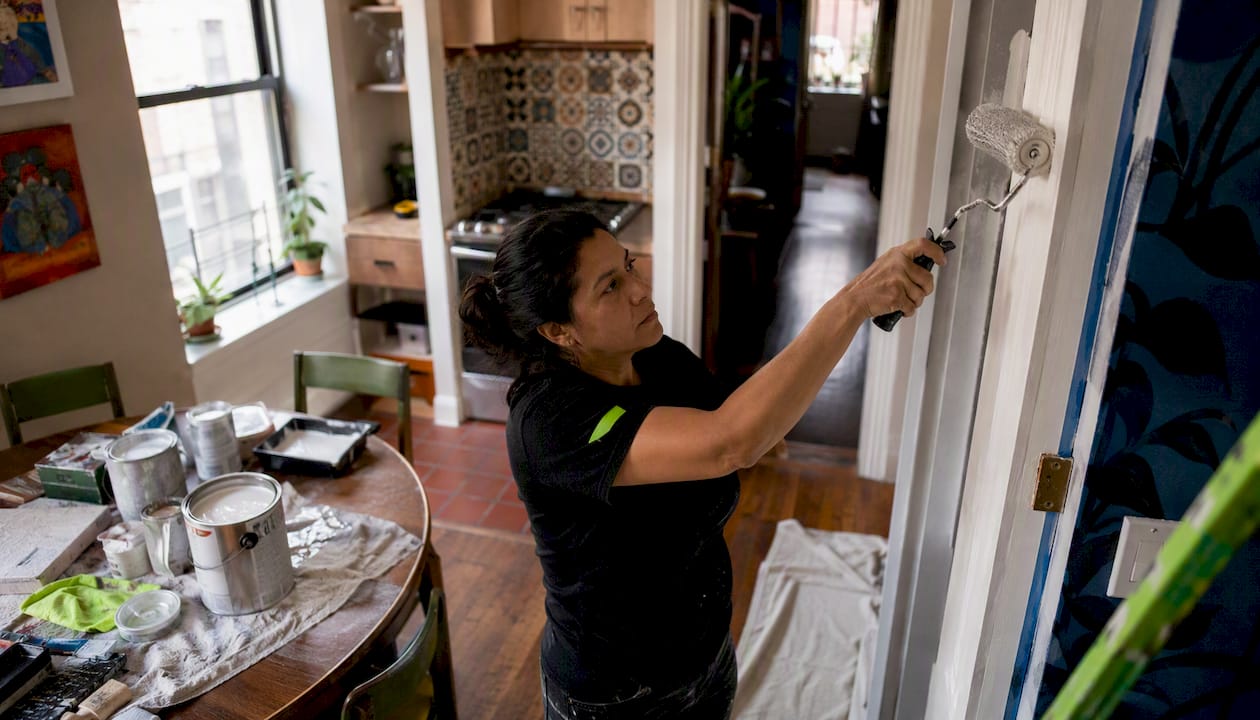
A standard NYC apartment painting job typically runs in the midrange for most units, with Manhattan premiums pushing estimates higher. Responsibility depends on your lease terms, rent-stabilization status, and the NYC Housing Maintenance Code, which requires building owners to repaint occupied dwelling units in multiple dwellings every three years. If you’re a renter in a rent-stabilized unit, your landlord is legally obligated to maintain that schedule. Owners and market-rate renters who want work done on their own timeline need to hire and pay for it themselves.
Quick price benchmarks to orient your budget:
Studio or 1-bedroom in the outer boroughs: costs vary widely depending on condition and prep needed
2-bedroom in Manhattan: costs are generally higher due to building logistics, surface prep, and premium labor rates
Djcustomcontracting handles apartment painting projects across New York City, from single-room refreshes to full-unit move-out jobs with documentation included.
Table of Contents
How NYC apartment painting costs are calculated
National apartment painting costs typically fall in the $700–$3,100 range for basic jobs. In New York City, most apartments fall between $2,500 and $7,000, with Manhattan and complex prep pushing estimates higher due to labor rates, building logistics, and the condition of older housing stock. Understanding how painters set their estimates helps you evaluate quotes accurately.

Common pricing models
Pricing Model | What It Typically Includes | Common NYC Range |
Flat rate per apartment | Walls, ceilings, trim; standard prep | Typical ranges apply |
Per room | One coat on walls; basic prep | Typical ranges apply |
Per square foot | Labor only or labor + materials | Typical rates apply |
Hourly per painter | Labor only; materials billed separately | Typical rates apply |
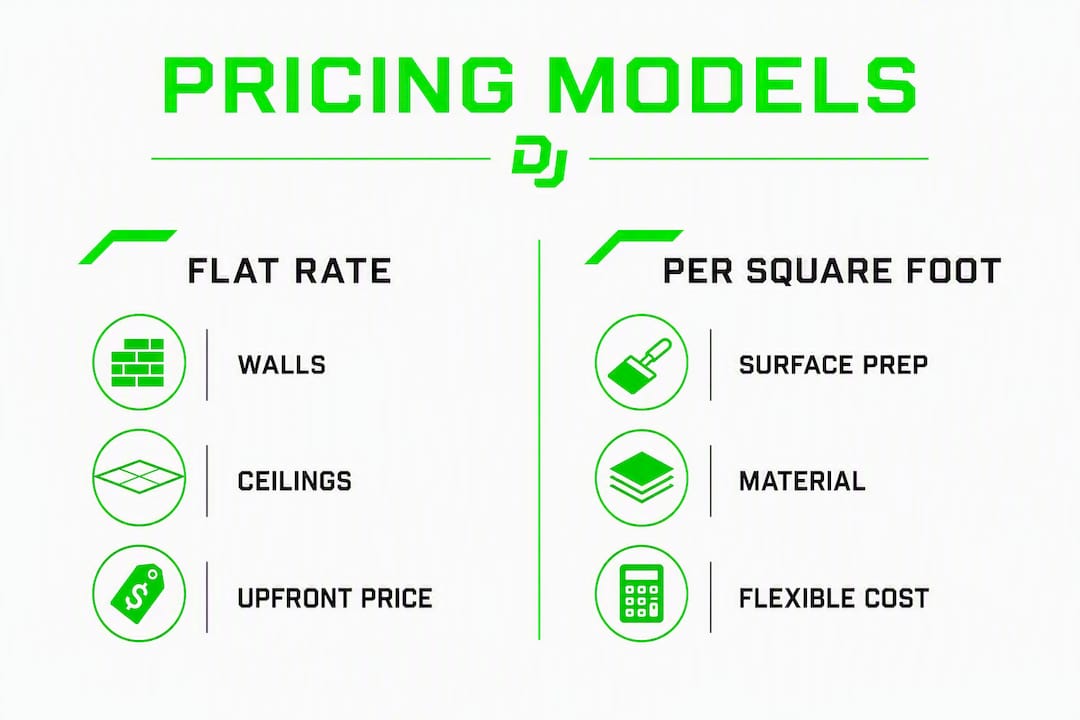
Flat-rate quotes are the most common for full apartments because they give both parties a clear number upfront. Per-square-foot pricing works well for straightforward jobs with minimal prep. Hourly billing is less predictable but sometimes used for small touch-up jobs or when scope is genuinely unclear at the time of estimate.
Sample estimate: 1-bedroom Manhattan unit
A 700 sq ft 1BR with 9-foot ceilings, two coats on walls, one coat on trim, standard patching, and primer typically breaks down like this:
Surface prep and patching: a moderate cost
Primer coat: a modest cost
Two finish coats on walls: calculated by square footage and finish type
Trim, doors, and closet interiors: add-on costs
Materials (paint, primer, tape, drop cloths): included in overall estimate
Building logistics surcharge (elevator scheduling, porter coordination): typical small surcharge
Total estimate range: $2,500–$7,000 for most NYC apartments, depending on specifics
Common add-on charges to expect
Lead or mold remediation: Required by law in pre-1978 buildings if disturbing painted surfaces; costs vary widely by scope
Plaster repair or skim coating: Older buildings with cracked plaster add $200–$800 depending on wall condition
High ceilings (above 9 feet): Scaffolding or extension equipment adds time and cost
Color change from dark to light: Requires extra primer coats; adds $150–$400
Waste disposal fees: NYC has specific rules for paint disposal; some contractors bill this separately
Elevator or parking surcharges: Building-imposed fees passed through to the client
What NYC law says about landlord and tenant painting obligations
The NYC Housing Maintenance Code requires owners of multiple dwellings to paint or recover occupied dwelling unit walls every three years. That obligation applies regardless of whether the tenant requests it. For rent-controlled and rent-stabilized units, the rules carry additional weight: if a landlord performs painting as an Individual Apartment Improvement (IAI), they may attempt to use it to justify a rent increase, which requires filing with the DHCR and specific documentation.
Key distinctions renters should know:
If your lease or prior practice established a shorter repaint interval, the landlord must honor it.
Painting done as a routine maintenance obligation cannot be used to justify an IAI rent increase.
Tenants in rent-stabilized units should document the current wall condition before any landlord-initiated painting begins.
How to formally request landlord painting
If your unit is overdue for repainting and your landlord has not acted, follow these steps:
Document the current condition with time-stamped photos of all walls, noting peeling, discoloration, or damage.
Send a written request to your landlord or managing agent by certified mail, citing the NYC Housing Maintenance Code three-year requirement.
File a complaint with NYC 311 if the landlord does not respond within a reasonable period; use the NYC 311 housing maintenance portal to log the complaint formally.
Contact the DHCR (Division of Housing and Community Renewal) if you are in a rent-regulated unit and believe the landlord is using painting as a pretext for an IAI increase.
Keep copies of all correspondence in a dedicated folder; this record becomes critical if the matter escalates to housing court.
Legal note: This article provides general information about NYC housing rules, not legal advice. Confirm current obligations with the NYC Housing Maintenance Code directly or consult a qualified housing attorney for your specific situation.
Building logistics that drive up costs in NYC
Building-specific logistics are among the biggest cost drivers for NYC painting jobs, and they catch most clients off guard. A painter who quotes $3,000 in a suburban market might quote $4,500 for the same scope in a Manhattan co-op simply because of access constraints.
Factors that regularly add time and cost:
Elevator availability: Many buildings restrict freight elevator use to specific hours (often 8 AM–5 PM on weekdays). If a job runs long, the crew may need to return the next day, adding a full day-rate.
Walk-up buildings: No elevator means painters carry equipment up multiple flights, which slows setup and adds labor time.
Parking and loading zone permits: Contractors in Manhattan often need a DOT loading zone permit or pay for metered parking; that cost typically gets passed to the client.
Co-op and condo board approval: Some buildings require a contractor to submit proof of insurance, a work permit application, and a scope of work to the board before any work begins. Processing time can delay the start date by one to three weeks.
After-hours restrictions: Many residential buildings prohibit loud work before 8 AM or after 6 PM, limiting the daily work window.
Stone and marble protection: Apartments with marble floors, terrazzo, or stone countertops require protective covering and sometimes professional anti-etch sealing before painters begin, adding a separate line item.
Building operational windows: Package room hours, concierge protocols, and delivery schedules can create narrow access windows for contractors, particularly in full-service buildings.
Pre-war construction: Plaster walls in pre-war buildings require more prep time than modern drywall. Cracks, settling damage, and original trim details all add hours.
Pro Tip: Schedule your painting job for a Tuesday through Thursday start. Freight elevator demand is lowest mid-week in most residential buildings, which reduces scheduling conflicts and can shave a day off the total timeline.
How to hire the right painter for your NYC apartment
Hiring a painter in New York City requires more due diligence than in most other markets. Licensed and insured professionals are better equipped to handle building rules, carry the required liability coverage, and manage the coordination that NYC jobs demand. The checklist below applies whether you’re a renter hiring privately or a property manager overseeing multiple units.
Hiring checklist
Verify the contractor holds a valid New York State or NYC Home Improvement Contractor (HIC) license
Request a current certificate of general liability insurance (minimum $1 million per occurrence is standard for NYC residential work)
Ask for before-and-after photos from recent jobs in comparable buildings
Get a written, itemized estimate that breaks out prep, materials, labor, and any building logistics fees separately
Confirm the timeline in writing, including start date, projected completion, and what happens if the job runs over
Request at least two local references from jobs completed in the past 12 months
Check Google and Yelp reviews, and look specifically for mentions of cleanup, punctuality, and communication
Questions to ask on the first call
What pricing model do you use, and exactly what does it include?
Which paint brands and finishes do you recommend for this unit, and why?
Who will actually perform the work — your employees or subcontractors?
How do you handle surface prep, and what’s your process for patching plaster?
What is your payment schedule, and do you require a deposit?
Do you carry workers’ compensation insurance for your crew?
What warranty do you offer on the finished work?
Red flags to walk away from
A verbal-only scope with no written estimate
Requests for more than 30% upfront in cash before work begins
No proof of insurance when asked
Inability to provide local references
Vague answers about who will actually be on-site
What to expect during the painting job itself
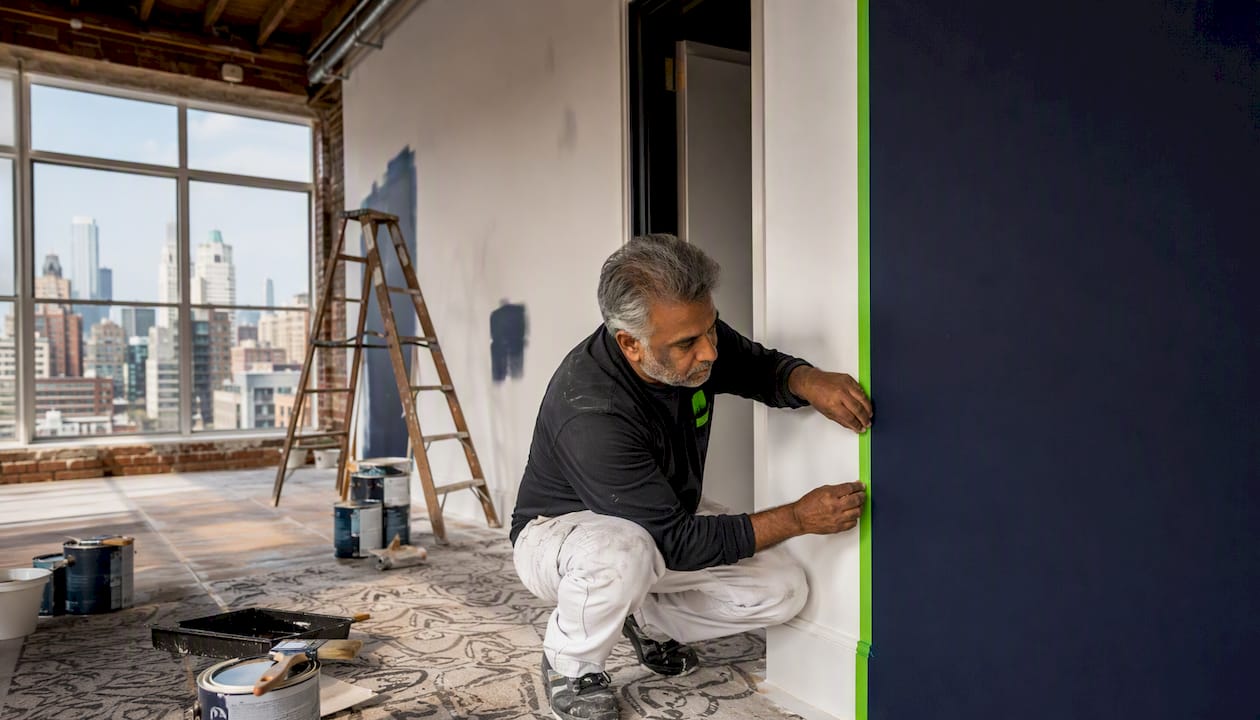
A well-run apartment paint job follows a predictable sequence. Knowing the steps helps you judge whether a contractor is working efficiently and whether the timeline they quoted is realistic.
Typical timeline by apartment size
Task | Studio / 1BR | 2BR+ |
Furniture moving and floor protection | 1–2 hours | 2–3 hours |
Surface prep and patching | 2–4 hours | 4–8 hours |
Primer coat | 2–3 hours | 3–5 hours |
First finish coat | 3–4 hours | 5–7 hours |
Drying time between coats | 4–6 hours | 4–6 hours |
Second finish coat + trim | 3–5 hours | 5–8 hours |
Touch-ups and cleanup | 1–2 hours | 2–3 hours |
Total (typical) | 1–2 days | 2–3 days |
Tenant and owner prep checklist
Before the crew arrives, you can reduce billable labor time by handling these yourself:
Remove small items, artwork, and fragile objects from all rooms
Clear closets if closet interiors are in scope
Move lightweight furniture to the center of rooms (painters will cover it)
Communicate any building access instructions to the contractor in writing the day before
Documentation and environmental disposal
Before work begins, take time-stamped photos of every wall. After completion, do a final walk-through with the contractor and note any touch-ups in writing before signing off. Before-and-after photo documentation is particularly important for move-out jobs, where the condition record can directly affect security deposit recovery.
NYC has specific rules for paint waste disposal. Latex paint must be dried out before disposal in regular trash; oil-based paints are classified as hazardous waste and must be taken to a designated NYC SAFE disposal site. A reputable contractor handles this as part of cleanup, but confirm it is included in the estimate.
When DIY makes sense and how to save on professional work
DIY painting is legal in NYC apartments, but it comes with real constraints. The decision depends on your lease terms, the building’s rules, and the actual condition of your walls.
Pros and cons at a glance
Hiring a professional:
Handles building logistics, insurance, and board approvals
Faster completion with a crew
Warranty on workmanship
Manages lead and mold safely if present
Higher upfront cost
DIY:
Lower material cost (paint, supplies: $200–$600 for a 1BR)
Full control over schedule
No crew coordination needed
Time-intensive; quality depends on skill level
No protection if damage occurs to building surfaces
Hybrid approach (owner preps, contractor finishes):
You move furniture and do basic cleaning
Contractor handles prep, priming, and finish coats
Saves $200–$500 on labor without sacrificing quality
When not to DIY
Lead paint is present or suspected (pre-1978 buildings): Disturbing lead paint without proper containment violates EPA RRP rules and NYC Local Law 1.
Plaster walls need significant repair: Skim coating and plaster patching require specialized technique; poor repairs show through paint.
The building requires contractor insurance: Most co-ops and condos will not allow unlicensed individuals to perform work that affects common areas or building systems.
Elevator or porter coordination is required: Buildings will not grant freight elevator access to non-commercial operators.
Practical savings tips for professional jobs
Limit scope to walls only: Excluding ceilings and trim can reduce a quote by 20–30%.
Choose a mid-range paint: Premium brands add $15–$30 per gallon over mid-range options with comparable durability.
Do your own furniture moving: Saves one to two hours of billable labor.
Schedule mid-week: Some contractors offer lower rates for Tuesday–Thursday starts when demand is lower.
Bundle rooms: Painting two or three rooms at once is almost always cheaper per room than scheduling separately.
What experienced NYC contractors want you to know
Contractors who work regularly in New York City apartments develop a clear picture of where jobs go wrong and where clients can protect themselves. A few trade-level insights worth knowing before you book anyone.
Surface condition determines everything. A quote based on square footage alone is unreliable if the contractor has not seen the walls. Pre-war buildings with original plaster, layers of old paint, and settled cracks can triple the prep time compared with a modern drywall unit of the same size. Always request an in-person estimate, not a phone quote, for any apartment built before 1960.
Pro Tip: For older buildings with plaster walls, ask your contractor specifically whether they plan to skim coat or spot-patch. Skim coating the entire wall produces a flatter, more durable finish but adds a full day and $400–$800 to the estimate. It is worth it if the walls have widespread cracking or texture inconsistencies.
Paint selection matters more in NYC apartments than most clients realize. Low-VOC formulas are worth the slight premium in apartments with limited ventilation. For walls, a durable eggshell finish holds up to cleaning and resists scuffing better than flat paint. Satin is the right call for trim, doors, and window frames. If timing is tight, quick-dry waterborne alkyd paints allow recoating in two to four hours rather than the standard overnight wait.
One scenario that comes up often: a client chooses a deep navy or charcoal accent wall, and the contractor discovers mid-job that three or four coats are needed to achieve even coverage. That adds a full day and $300–$600 in unplanned labor. Discuss color choices in detail during the estimate, and ask specifically how many coats the contractor plans for each color.
For move-out jobs, always require a documented deliverable. Time-stamped photos and a signed acceptance form are the difference between a smooth deposit return and a dispute that drags on for weeks. Ask for this as a named line item in the written estimate, not an informal promise.
Key Takeaways
NYC apartment painting costs typically run $2,500–$7,000 for most units, with landlord obligations under the NYC Housing Maintenance Code and building logistics being the two factors that most often surprise renters and owners alike.
Point | Details |
Typical NYC price range | Most apartments fall between $2,500 and $7,000; Manhattan and complex prep push estimates higher. |
Landlord repaint obligation | The NYC Housing Maintenance Code requires repainting occupied units in multiple dwellings every three years. |
Contractor credentials | Always verify a valid HIC license, current liability insurance, and written itemized estimates before signing. |
Building logistics add cost | Elevator scheduling, co-op approvals, and parking permits regularly add $150–$300 or more to NYC jobs. |
Djcustomcontracting | Licensed and insured since 2018, Djcustomcontracting handles NYC apartment painting with full building coordination and documentation. |
A contractor’s perspective on painting apartments in New York City
Most people underestimate how much of a painting job in New York City is actually a logistics job. The paint itself is straightforward. What separates a smooth project from a frustrating one is whether the contractor knows how to work within a building’s rules, communicate with building staff, and anticipate the delays that come with older construction.
Pre-war buildings are the clearest example. The walls look fine in photos, but once you start prepping, you find layers of oil-based paint over plaster, hairline cracks from decades of settling, and trim profiles that no longer match standard stock. Rushing past that prep stage produces a finish that looks good for six months and then starts to show every imperfection underneath.
The other thing clients consistently underestimate is documentation. For move-out jobs especially, a set of time-stamped before-and-after photos is not optional. It is the record that protects both the tenant and the contractor if a landlord disputes the condition of the unit.
Djcustomcontracting has been handling NYC apartment painting and interior renovation work since 2018, including jobs that require DOB and DOT coordination, building board approvals, and pre-war plaster repair. The work is done in compliance with local codes and building requirements, with written estimates and documentation standard on every job.
Djcustomcontracting handles NYC apartment painting from estimate to sign-off
When you’re ready to move from research to a real estimate, the difference between a smooth job and a costly one usually comes down to who you hire. Djcustomcontracting offers full-service interior renovation and painting for NYC apartments, with every project backed by a written, itemized estimate, proof of insurance, and before-and-after photo documentation as a standard deliverable.

The team has been working in New York City buildings since 2018, which means building board submissions, freight elevator scheduling, DOB and DOT permit coordination, and pre-war plaster repair are handled in-house, not passed off to a subcontractor you’ve never met. Services cover interior painting, surface prep and skim coating, move-out documentation packages, and full-unit renovations when the scope goes beyond paint.
To request an estimate, contact Djcustomcontracting with your unit size, a few photos of the current wall condition, and any building access requirements. The team will provide a written, itemized quote with a clear timeline. Visit the interior renovation services page to get started.
Useful sources and official resources
NYC Housing Maintenance Code (PDF) — The primary legal document governing landlord repainting obligations for multiple dwellings in New York City.
NYC 311 Housing Maintenance Complaint Portal — File a formal complaint if your landlord has not met the three-year repainting requirement.
DHCR Fact Sheet 28: Painting Rent-Controlled Apartments — Covers IAI rules, prior practice obligations, and DHCR filing requirements for rent-regulated units.
Understanding the financial impact of renovating a NYC apartment — Djcustomcontracting’s breakdown of how building logistics affect renovation and painting costs.
Essential tips for renovating a pre-war NYC building — Guidance on plaster, trim, and older construction challenges that affect paint scope and pricing.
Interior remodeling workflow guide for NY and NJ — A practical scheduling and compliance workflow for interior projects including painting.
NYC building codes guide for homeowners and owners — Covers building code considerations relevant to painting and renovation projects in New York City.
Recommended


Comments