


Remodeling Architect Cost: 2026 Homeowner's Guide


What does a remodeling architect typically cost?
Hiring an architect for a remodeling project typically runs at a percentage of the total construction cost, with remodels costing more than new builds. Architectural plans for remodels vary widely depending on project size and complexity. Many homeowners spend within a moderate range, with average fees reflective of typical residential projects.
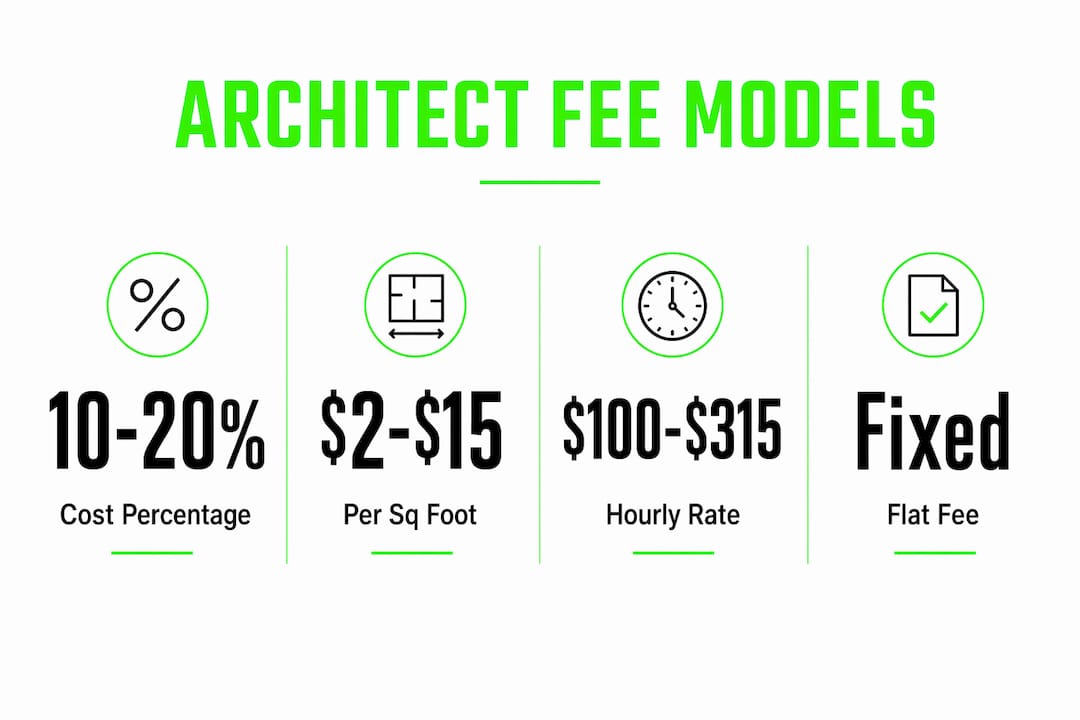
Four fee structures drive most architect billing: a percentage of construction cost, an hourly rate, a fixed fee, or a per-square-foot price. Each model shifts financial risk differently, and the right choice depends on how clearly defined your project scope is before work begins.
Here is a quick snapshot of what to expect:
Percentage fees: Higher for remodels than new construction
Hourly rates: Vary based on staff seniority and location
Fixed fees: Single agreed sum for defined scope
Per-square-foot: Range varies, useful for estimates
Payment schedules: Typically include a deposit or retainer upfront, followed by milestone or monthly payments
Additional costs: Permits, consultants, 3D renderings, and revisions can add to the base fee
Statistic callout: Hiring an architect involves varying costs depending on project scope and complexity, with many homeowners incurring moderate fees for residential remodeling services.
Table of Contents
What do architectural services actually include in a remodel?
Understanding what you are paying for makes it easier to evaluate any fee proposal. Architects provide far more than drawings. Their scope on a remodeling project typically covers:
Schematic design and design development: Initial sketches, space planning, and refined drawings that translate your ideas into a buildable concept
Construction documents: Detailed technical drawings and specifications that contractors use to price and build the work
Building code review and permit preparation: Architects research local code requirements and prepare or assist with permit applications, which is especially complex in older homes
Structural coordination: Identifying load-bearing walls, coordinating with structural engineers, and flagging hidden conditions that affect design
Contractor coordination and construction oversight: Reviewing contractor bids, answering questions during construction, and conducting site visits to verify work matches the drawings
Design consultation meetings: Regular check-ins to review progress and make decisions, though some firms bill these separately after a set number of included meetings
Specialized add-on services: 3D renderings, energy efficiency consulting, interior finish selections, and historic preservation documentation, each typically billed as a separate line item
Not every architect offers every service, and not every project needs all of them. A bathroom remodel may only require schematic drawings and permit documents. A full home renovation with structural changes will likely need the complete range. Clarifying scope before signing a contract prevents billing surprises later.
Pro Tip: Ask specifically whether permit filing fees, engineering consultant costs, and design revisions are included in the quoted fee or billed separately. These line items are where budgets most often drift.
How architect fee structures work and what each one costs you
The billing model an architect proposes shapes your financial risk as much as the dollar amount does. Here is how each structure works in practice.

Percentage of construction cost
This is the most common model for full-service projects. The architect charges a set percentage of what the building costs to construct. Remodel architect fees generally range between 15% and 20% of the total construction cost, while new construction architect fees tend to fall between 8% and 15%. One important protection: according to the American Institute of Architects (AIA), percentage-based fees are often tied to the owner’s budget at contract signing rather than the final construction cost, which prevents fee inflation if material prices rise later.
Fixed fee
A fixed fee is a single agreed price for a defined scope of work. Clients often prefer this model because the total design cost is known on day one. The catch is that the scope must be tightly written. Any additions, such as extra rooms, structural changes, or additional revision rounds, trigger a change order and a new charge on top of the fixed price.
Hourly billing
Hourly rates vary by staff seniority. Principals at upscale firms in major metros charge up to $315 per hour, while interns in lower cost-of-living areas bill as low as $45. The commonly quoted range is $100–$250 per hour. Many firms use tiered hourly rates, billing junior staff at lower rates for tasks like site measuring and senior staff at higher rates for complex design decisions. Ask for a detailed breakdown of who bills at what rate.
Many firms also establish a fee cap on hourly billing so the total does not run away if the project scope is unclear at the start. Negotiating a not-to-exceed limit is one of the most effective ways to protect your budget on hourly contracts.
Per-square-foot pricing
Some architects quote $2–$15 per square foot of finished space. This model is easy to understand and quick to estimate, which makes it useful for early budget conversations. Its weakness is that it ignores complexity. A straightforward rectangular addition and a structurally complex kitchen expansion of the same square footage require very different amounts of design work.
Fee structure | Typical range | Best suited for | Main trade-off |
Percentage of cost | Remodels: 15%–20%, New builds: 8%–15% of construction cost | Full-service remodels and additions | Fee rises if construction cost rises |
Fixed fee | Single agreed sum | Clear, well-defined project scope | Extra work triggers change orders |
Hourly rate | $45–$315/hr, commonly $100–$250 | Consulting, feasibility, evolving scope | Final total is harder to predict |
Per square foot | $2–$15 per sq ft | Early-stage budget estimates | Ignores design complexity |
Typical architect fees by remodeling project type
Project type and scope drive the dollar range more than any other single factor. Here is what homeowners typically pay across common remodeling categories.
Bathroom remodels: Architect fees generally reflect the contained scope and limited structural work.
Kitchen remodels: Costs vary and increase with structural complexity or custom features.
Home additions: Fees depend on size and integration complexity.
Full renovations: Typically require broader services, resulting in higher fees.
Statistic callout: Architectural plans for remodels vary widely depending on project size and complexity, with kitchen and bath plans often reflecting typical medium-scale projects.
Scope of service also shifts the cost significantly. Hiring an architect for schematic design only, meaning concept drawings and a basic floor plan, costs far less than engaging one for full-service oversight that includes construction documents, contractor coordination, and site visits throughout the build. Many homeowners on tighter budgets hire architects for the design phase only and then manage contractor relationships themselves, though this approach requires more hands-on involvement.
For a detailed look at how bathroom remodel costs break down across all budget levels, including where architect fees fit within the overall budget, Djcustomcontracting’s cost guide covers the full picture.
Key factors that push remodeling architect costs higher
Two projects with the same square footage can carry very different fees. These are the variables that most reliably drive costs up.
Project complexity: Structural changes, load-bearing wall removal, and historic preservation work all require more design time and engineering coordination. A simple cosmetic remodel costs far less to design than a project that reconfigures the floor plan.
Location and local market rates: Architect fees in New York City or San Francisco run higher than in smaller markets, reflecting both higher overhead costs and more complex local permitting environments. Understanding local building codes and permit requirements in your specific market is critical to budgeting accurately.
Existing structure unknowns: Remodeling projects require more design time than new construction because aging structures often hide surprises, from outdated wiring to non-standard framing, that require design adjustments mid-project.
Extent of services requested: Full-service architectural oversight, including construction administration and site visits, costs more than design-only engagements. Choosing a limited-service arrangement can reduce fees but shifts more coordination responsibility to the homeowner.
Material and finish complexity: Custom millwork, specialty materials, or high-end finishes require additional design coordination and specification writing, which adds hours to the project.
Additional consultant fees: Structural engineers, MEP (mechanical, electrical, plumbing) consultants, and energy consultants each bill separately. These fees are not included in the architect’s base fee and can add meaningfully to total project costs.
3D renderings and visualizations: 3D renderings typically cost $500–$3,000 as a separate line item. For a detailed breakdown of architectural rendering costs, pricing varies by complexity and deliverable type.
Permit assistance fees: Permit preparation and filing assistance may add $500–$2,500 to the total, depending on the jurisdiction and the complexity of the application.
Design revisions beyond the included rounds: Most contracts specify a set number of revision rounds. Additional rounds are billed at the hourly rate or as a flat change order fee.
Expert perspective on architect fees from Djcustomcontracting
Working alongside architects on residential remodeling projects across New York and New Jersey, Djcustomcontracting has seen firsthand how fee structures and contract terms affect project outcomes. A few patterns stand out consistently.
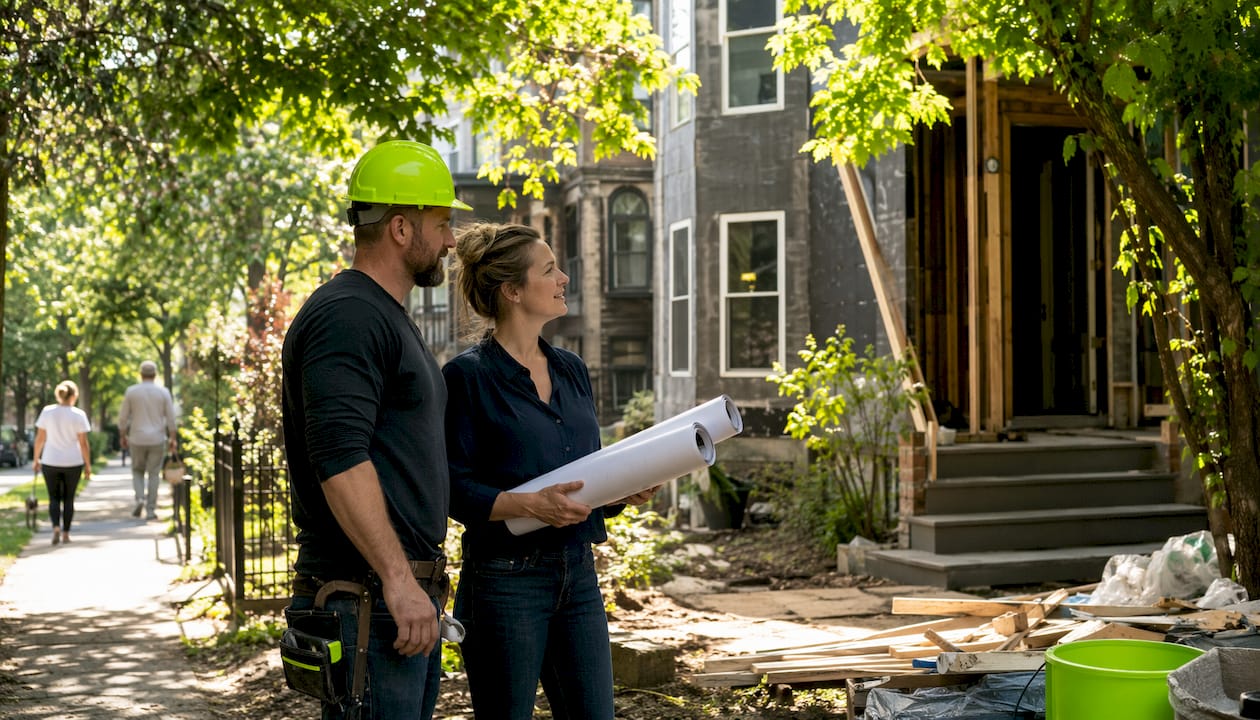
Experienced architects can save homeowners money by navigating complex local codes and proposing efficient design solutions that a less experienced professional might miss. The upfront cost of hiring a skilled architect often prevents far more expensive mistakes during construction.
Clear contracts matter as much as the fee structure itself. Before signing, confirm that the contract specifies the fee amount, the billing schedule, what triggers a change order, how many revision rounds are included, and who owns the drawings if the project is cancelled. These details protect both parties and prevent the disputes that most commonly arise on remodeling projects.
For homeowners managing overall renovation budget planning, architect fees should be treated as a line item in the total project budget from day one, not as an afterthought added once contractor bids come in.
Djcustomcontracting brings your remodeling vision to life
Knowing what an architect costs is only part of the equation. The other part is having a contractor who can execute the design accurately, on budget, and in compliance with local codes.

Djcustomcontracting has been delivering full-service residential and commercial renovation work since 2018, covering interior renovations, exterior renovations, additions, alterations, and DOB violation removal across New York and New Jersey. Every project is handled in accordance with applicable local laws, licensing requirements, building codes, and insurance regulations. Whether your remodel is a single bathroom or a full-home renovation, the team brings the same level of care and trade knowledge to the work.
The practical advantage for homeowners is having a general contractor who understands the design-to-build handoff. When architect drawings arrive, Djcustomcontracting reads them accurately, coordinates with consultants, and manages the construction phase so the design intent is preserved through to completion. No job is too large or too small.
Ready to move from plans to construction? Get a quote from Djcustomcontracting and see how the team can bring your remodeling project to life.
Key Takeaways
Remodeling architect fees are generally higher than new construction fees due to the added complexity of existing structures.
Point | Details |
Typical cost range | Homeowners usually encounter moderate fees for architect services. |
Fee structures | Percentage, fixed, hourly, and per-square-foot are common billing models. |
Remodel vs. new build | Remodel fees tend to be higher because of greater design complexity. |
Hidden cost drivers | Additional expenses may include permits, consultants, renderings, and design revisions. |
Djcustomcontracting | A contractor experienced in handling residential remodels from design through completion. |
Recommended


Comments