


Top benefits of interior remodeling for NYC and NJ homes


Maximizing both property value and daily enjoyment from an interior remodel sounds straightforward until you factor in local permits, zoning rules, and the unique demands of the New York City and Northern New Jersey markets. The stakes are high: a well-planned remodel can dramatically improve how you live or run your business, while a poorly managed one can stall at the permit stage or deliver far less return than expected. This article breaks down the proven benefits of interior remodeling, from real ROI data and livability gains to compliance essentials that every NYC and NJ property owner needs to know.
Table of Contents
Key Takeaways
Point | Details |
Functionality matters most | Remodeling projects greatly improve how spaces work for everyday living and business needs. |
ROI varies by project | Smaller, practical interior updates generally recoup costs better than luxury upgrades. |
Permits are essential | Local regulations require permits for most structural, plumbing, and electrical changes. |
Enjoyment increases after remodeling | A majority of homeowners report greater satisfaction and longer home tenure after upgrades. |
Business benefits are real | Remodeling helps attract tenants, improve brand image, and support compliance for commercial spaces. |
Enhanced functionality and livability
Once you understand the broader value of remodeling, it’s important to look at how these improvements manifest in daily life. Most property owners start a remodel with one clear goal: make this space work better. That might mean tearing down a wall to create an open floor plan, adding built-in storage to a cramped hallway, or widening doorways to improve accessibility for aging family members.
These interior renovation advantages go well beyond appearances. A reconfigured kitchen layout reduces daily frustration and makes cooking faster. A bathroom addition eliminates morning traffic jams in a busy household. An open-concept living area creates flexible space that adapts as your family’s needs change over time.
Key functionality improvements include:
Open layouts that improve traffic flow and make small spaces feel larger
Expanded storage through custom cabinetry, built-ins, and reconfigured closets
Accessibility upgrades such as wider doorways, roll-in showers, and grab bars
Improved natural light through window enlargements or removing interior walls
Updated HVAC and electrical systems that support modern appliances and comfort
“Remodeling is commonly pursued for better functionality and livability, with homeowners reporting increased enjoyment after projects.” — 2025 Remodeling Impact Report, National Association of Realtors
The data backs this up. Homeowners consistently report that remodeling increases their desire to stay in their home longer, not just sell it at a higher price. That sense of daily satisfaction is a real, measurable benefit, and it matters whether you own a brownstone in Brooklyn or a condo in Hoboken.
Pro Tip: When planning a remodel focused on livability, start with the rooms you use most. Kitchen and bathroom upgrades deliver the highest daily impact because they are used multiple times every single day.
Property value and ROI: What the data says
Beyond day-to-day enjoyment, many remodelers aim to boost long-term property value. Let’s examine the real numbers. The idea that every remodel pays for itself at resale is a popular one, but the truth is more nuanced. Return on investment (ROI) varies significantly based on project type, scope, and local market conditions.
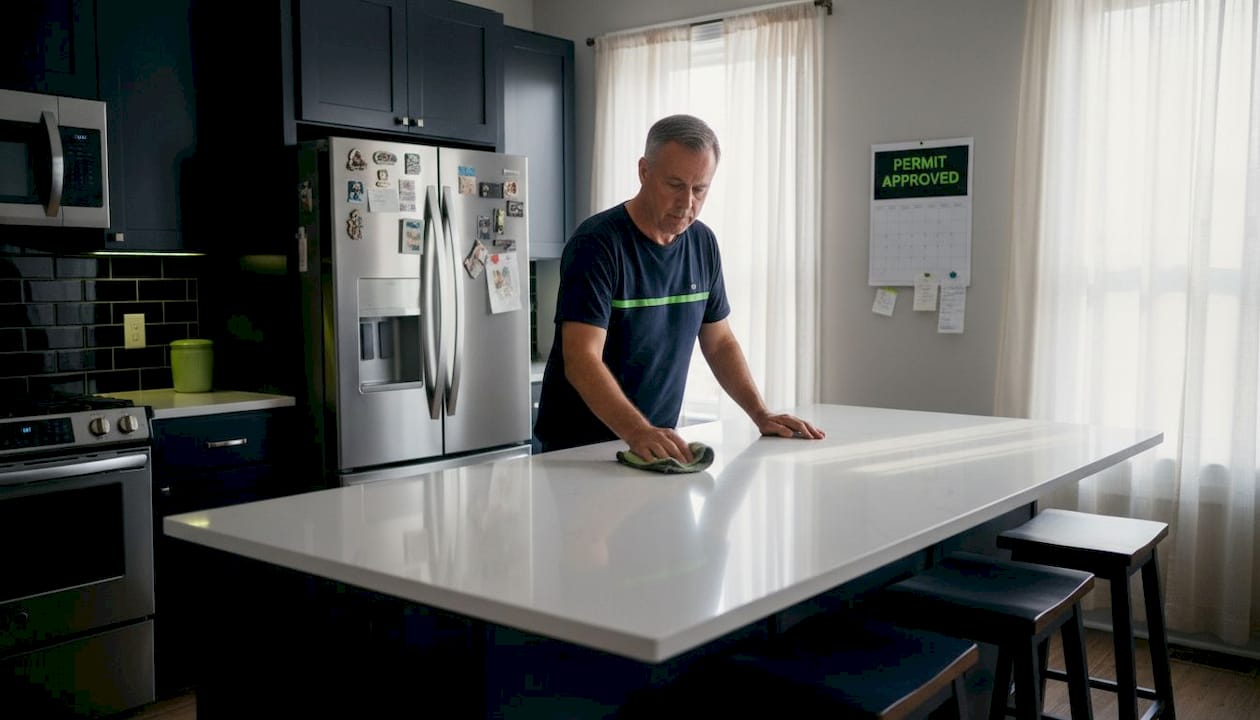
According to the 2025 Cost vs. Value summary, minor kitchen remodels rank among the strongest interior performers at resale, while larger discretionary upgrades often recoup less. Here’s how common interior remodel types stack up:
Project type | Estimated job cost | Value at resale | Cost recouped |
Minor kitchen remodel | $28,458 | $32,141 | 112.9% |
Bathroom remodel (midrange) | $25,251 | $18,613 | 73.7% |
Basement conversion | $57,500 | $43,000 | 74.8% |
Primary suite addition | $165,000 | $95,000 | 57.6% |
The table tells a clear story. Smaller, functional upgrades outperform large luxury renovations at resale. A kitchen remodeling ROI that exceeds 100% is genuinely achievable when you focus on modernizing layout, cabinets, and appliances without over-improving for the neighborhood.
Key takeaways from the data:
Minor kitchen remodels offer the best interior ROI, often exceeding job costs at resale
Bathroom updates deliver solid returns, especially in markets where outdated baths slow sales
Large luxury additions often cost far more than they return, particularly in slower markets
Exterior improvements frequently outperform interior ones at resale, which means balancing both is wise
Understanding bathroom remodeling cost insights is especially important for NYC and NJ homeowners, where even a modest bathroom upgrade can significantly increase competitive appeal in a dense real estate market.
The smartest remodelers treat ROI data as a starting point, not a guarantee. Local market conditions in Queens, Jersey City, or Newark can shift these averages considerably.
Compliance, permits, and local code: Essential NYC/NJ guidance
Maximizing the value and functionality of your remodel means understanding the legal landscape, and that’s where permits and code come in. In New York City and Northern New Jersey, skipping this step is one of the costliest mistakes a property owner can make.
Planning interior remodeling in NYC and Northern New Jersey requires careful consideration of permits, zoning regulations, and local building code compliance. Projects that involve structural changes, plumbing, or electrical work almost always require permits before construction begins.
Here’s a step-by-step overview of how to navigate the permit process:
Identify your project scope. Determine whether your remodel involves structural, plumbing, electrical, or mechanical work. These categories trigger permit requirements.
Consult your local building department. In NYC, this means the Department of Buildings (DOB). In NJ, each municipality has its own building department with its own requirements.
Hire a licensed contractor or architect. Many permit applications require a licensed professional to file plans. Working with an experienced contractor simplifies this step considerably.
Submit permit applications with required documents. Plans, specifications, and contractor credentials are typically required. Approval timelines vary by jurisdiction.
Schedule required inspections. Permits require inspections at key milestones: rough framing, rough plumbing, electrical rough-in, and final inspection.
Obtain a certificate of occupancy (CO) or sign-off. This document confirms the work was completed to code and is essential for resale and insurance purposes.
According to the Hoboken, NJ kitchen remodel permit guide, Northern New Jersey projects that include plumbing, electrical, or structural changes typically require permits, regardless of project size.
Understanding the remodeling permit process in your specific municipality can save weeks of delays and avoid costly stop-work orders.
Common compliance pitfalls to avoid:
Starting work before permit approval is issued
Failing to schedule required inspections at each phase
Assuming zoning approval is automatic once building code is met
Hiring unlicensed contractors who cannot file permit applications
Pro Tip: Always verify your contractor’s license status with the NYC Department of Buildings or the New Jersey Division of Consumer Affairs before signing any contract. Licensed contractors can file permits directly, saving you time and reducing the risk of errors.
For bathroom-specific projects, reviewing NJ bathroom permit tips before planning your remodel helps you avoid the most common compliance delays in the region.
Permit requirement comparison: NYC vs. Northern NJ
Work type | NYC permit required | Northern NJ permit required |
Painting and cosmetic updates | No | No |
Cabinet replacement (no plumbing move) | No | No |
Plumbing relocation | Yes | Yes |
Electrical panel upgrade | Yes | Yes |
Wall removal (load-bearing) | Yes | Yes |
Bathroom addition | Yes | Yes |
Kitchen layout reconfiguration | Yes (if utilities moved) | Yes (if utilities moved) |
Tailored benefits for business owners and landlords
While residential property owners gain personal and financial benefits, commercial remodels offer tailored advantages for businesses and landlords. If you manage rental properties, retail spaces, or offices in the NYC and NJ metro area, interior remodeling directly affects your bottom line.
Tenant retention is one of the most financially significant benefits. Replacing tenants costs far more than maintaining them. Updated kitchens, modern bathrooms, and improved common areas make lease renewals more likely. According to the 2025 Remodeling Impact Report, owners expect to stay in remodeled properties longer and report increased enjoyment, making upgrades a strong retention strategy for landlords targeting quality tenants.
For commercial clients, interior remodeling shapes brand perception. A well-designed office or retail space signals professionalism and attention to detail to clients and customers before a single conversation takes place. Outdated facilities can quietly undermine trust.
Key commercial remodeling benefits include:
Improved lease appeal through updated kitchens, bathrooms, and mechanical systems
Higher rental rates justified by upgraded finishes and modern layouts
Better employee productivity in well-designed, functional workspaces
Regulatory compliance with updated ADA (Americans with Disabilities Act) requirements
Reduced maintenance costs by replacing aging systems and materials proactively
Reviewing business renovation tips before starting a commercial project helps business owners prioritize upgrades that deliver the strongest operational and financial returns.
Pro Tip: Commercial remodels should always factor in ADA compliance from the start. Retrofitting for accessibility after construction is complete costs significantly more than building it in during the original project scope.
Exploring commercial remodeling benefits in detail can help landlords and business owners build a strong case for capital investment approval with property managers or investors.
Summary comparison: Top benefits by project type
To help you decide which remodel suits your goals, let’s summarize the benefits by project type. Not every project delivers the same mix of functionality, ROI, and compliance complexity, so matching your priorities to the right project type is essential.
Project type | Functionality gain | Resale ROI | Permit complexity | Tenant/business value |
Minor kitchen remodel | High | Very high (112.9%) | Moderate | High |
Bathroom renovation | High | Moderate (73.7%) | Moderate | High |
Open floor plan conversion | Very high | Moderate | High | Moderate |
Basement conversion | Moderate | Moderate (74.8%) | High | Moderate |
Primary suite addition | High | Low (57.6%) | Very high | Low |
ADA accessibility upgrade | Moderate | Low (direct) | Moderate | Very high |
The 2025 Cost vs. Value summary reinforces that minor kitchen remodels remain among the strongest interior investments, but the table above shows that no single project type wins across every category. Your decision should align with whether your primary goal is daily livability, resale value, or commercial appeal.
For a closer look at how bathroom investments fit into your overall budget planning, reviewing the bathroom ROI breakdown adds important context to these numbers.
What most guides miss about interior remodeling ROI and value
All these data-driven benefits point to a final question: how do you balance ROI with your own daily priorities? Here’s our take.
Most ROI guides present national averages as if they apply equally to a co-op in Manhattan and a rental duplex in Paterson, New Jersey. They don’t. ROI expectations should be framed as averages and may move in a very different direction based on neighborhood-specific outcomes, local buyer preferences, and current market conditions.
There’s another thing worth saying directly. Resale benchmarks measure “value at sale” against “job cost,” which can make large interior remodels look like poor investments compared to exterior projects. But that framing ignores years of daily benefit. A beautifully functional kitchen may recoup less than a garage door replacement on paper, yet deliver far more quality of life value over the decade you live with it.
The most successful remodeling decisions we see are the ones that blend honest resale thinking with genuine personal or business priorities. Ask yourself: if this property never sells, would this upgrade still improve how you live or operate? If the answer is yes, the project likely justifies the investment regardless of ROI percentages.
Our workflow guide insights walk through exactly how to plan projects that serve both goals at once. Smart remodeling isn’t a choice between livability and value. Done right, the two reinforce each other.
Ready to unlock your property’s full potential?
If you’re considering an interior remodel, connecting with professionals who understand local codes and can help bring your vision to life makes all the difference.

DJ Custom Contracting LLC has been serving homeowners and business owners across New York City and Northern New Jersey since 2018. From permit filing and DOB compliance to full-scale kitchen and bathroom renovations, our team manages every phase of your project with precision and transparency. Whether your goal is a higher resale value, better day-to-day functionality, or a more competitive commercial space, we tailor our approach to your specific needs. Reach out today for expert interior renovation guidance, or learn more about our full range of general contracting support services available across the region.
Frequently asked questions
What permits are required for interior remodeling in NYC or Northern NJ?
Permits are generally needed for any structural, plumbing, or electrical work, and zoning ordinances can affect approval even when building code requirements are fully met.
Do minor cosmetic upgrades require permitting?
Cosmetic changes like painting or replacing fixtures typically do not require permits, but plumbing, electrical, or structural changes always trigger permit requirements in both NYC and Northern NJ.
How much value can a kitchen or bathroom remodel add?
Minor kitchen remodels often recoup over 100% of costs at resale (112.9% based on 2025 data), while bathroom and larger interior upgrades vary significantly by project scope and local market conditions.
How does interior remodeling improve day-to-day life?
Remodeling increases functionality, comfort, and overall enjoyment, with 46% of homeowners reporting improved daily satisfaction and 64% planning to stay in their home longer after completing a project.
Recommended


Comments