


Examples of Commercial Property Upgrades That Add Value

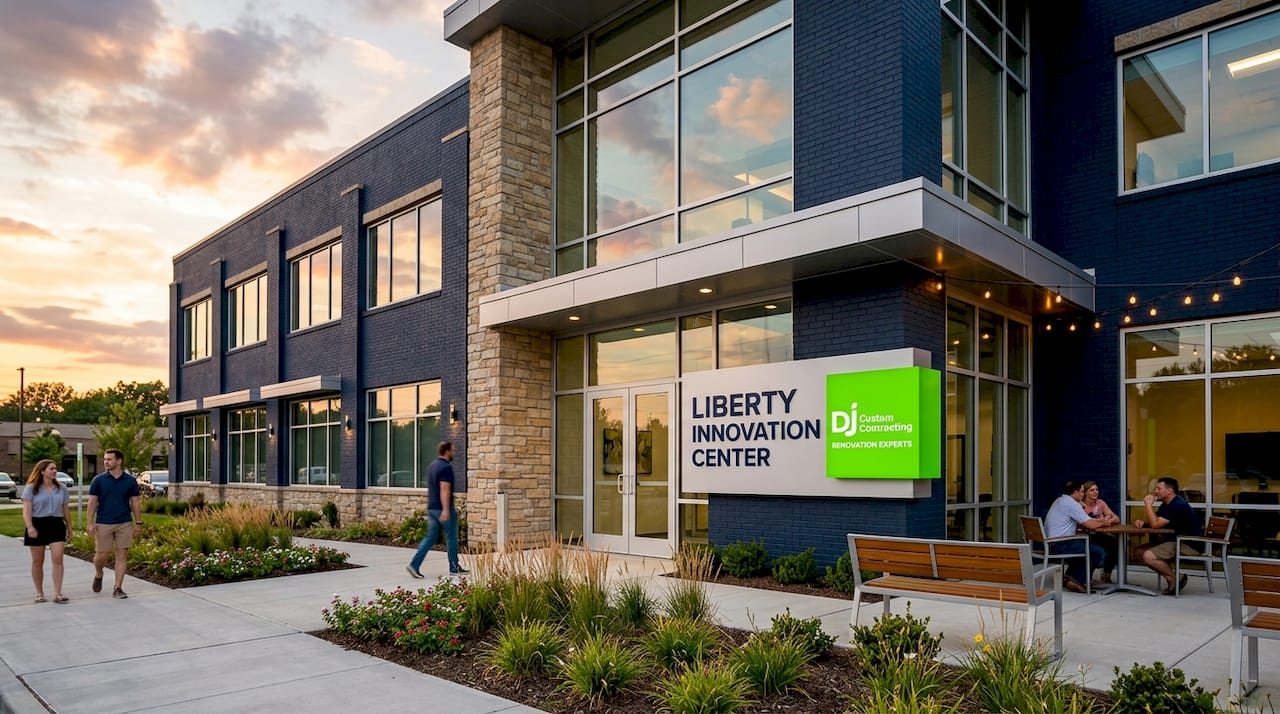
Commercial property upgrades are targeted improvements that increase asset value, tenant satisfaction, and operational efficiency across energy systems, interior spaces, and building exteriors. Property owners and investors who understand the best examples of commercial property upgrades gain a measurable edge in competitive leasing markets. The right sequence of improvements, from HVAC modernization to curb appeal work, can push net operating income upward while reducing vacancy risk. This article covers the most impactful upgrade categories with real case studies, financing options, and practical guidance to help you make informed decisions.
1. Examples of commercial property upgrades that deliver the highest ROI
The most effective commercial property improvements fall into three categories: mechanical system upgrades, tenant-focused interior renovations, and exterior enhancements. Each category addresses a different driver of property value. Mechanical upgrades cut operating costs. Interior renovations attract and retain tenants. Exterior work strengthens first impressions and market positioning. Investors who coordinate all three categories simultaneously see the strongest results, as demonstrated by BKM Capital Partners, whose $1.02M value-add program at Sorrento Commerce Park achieved 90% NOI growth and 100% occupancy. That outcome is not accidental. It reflects deliberate sequencing of upgrades timed to lease rollovers and market conditions.
2. HVAC and energy efficiency upgrades for commercial buildings
HVAC modernization is one of the most financially defensible commercial renovation ideas available to property owners today. Aging boilers and chillers consume far more energy than modern equivalents, and the gap compounds every year. Replacing aging boilers and modernizing chillers can reduce overall energy consumption by 20 to 30%, with thermal efficiency jumping from roughly 75% to over 97% when equipment like the Lochinvar FTXL850 condensing boiler and a new Trane air-cooled chiller are installed. That efficiency gain translates directly into lower utility bills and stronger net operating income.
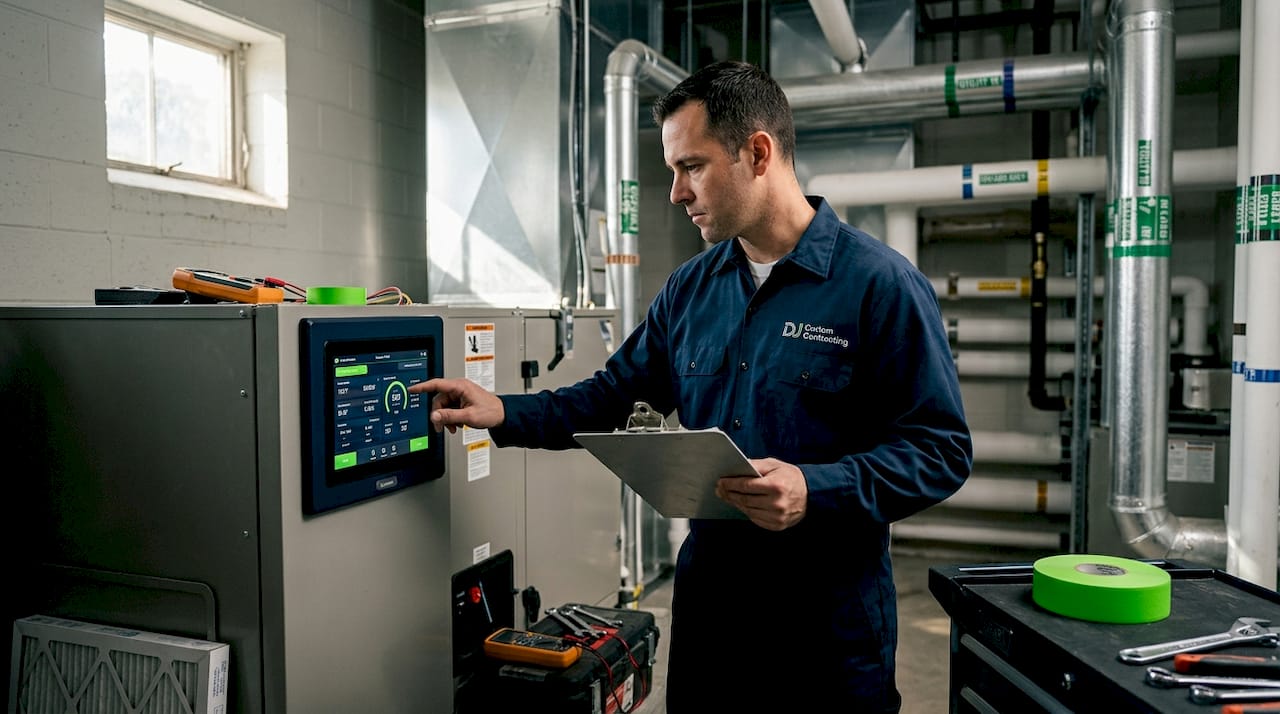
The Sixth & Main building in Oregon offers a compelling financing example. With support from Energy Trust of Oregon, the property completed a full HVAC overhaul covering chillers, pumps, a cooling tower, and DDC controls. The result was $41,500 in annual savings and $114,700 in cash incentives. That combination of ongoing savings and upfront incentives makes HVAC upgrades among the most cost-effective property renovations available.
Key HVAC upgrade options worth evaluating include:
Boiler replacement: Swap aging atmospheric boilers for condensing models with 95%+ efficiency ratings
Chiller modernization: Replace oversized or failing chillers with variable-speed units sized to actual load
DDC controls: Install direct digital controls to automate scheduling, setpoints, and fault detection
Cooling tower upgrades: Improve heat rejection capacity and reduce water consumption simultaneously
Pro Tip: Before committing to any HVAC upgrade, commission a technical study that maps existing control strategies and loading patterns. Energy upgrade paths depend on thorough technical analysis of current systems, and skipping this step routinely leads to oversized equipment and missed incentive opportunities.
For financing, C-PACE financing attaches long-term, fixed-rate debt to the property rather than the borrower, which lowers refinancing risk and makes large HVAC investments manageable without disrupting cash flow. Utility incentive programs from organizations like Energy Trust of Oregon provide additional cash back on qualifying equipment.
3. Tenant-focused improvements that drive occupancy and cash flow
Tenant improvements, known in the industry as TIs, are one of the most direct ways to increase occupancy rates and lease renewal probability. Suite modernization, exposed HVAC ductwork for an industrial aesthetic, upgraded lighting, and spec TIs built out before a tenant signs all signal to prospective tenants that a property is well-managed and move-in ready. These upgrades reduce the friction of leasing decisions.
The BKM Capital Partners case study at Sorrento Commerce Park demonstrates the financial logic clearly. The coordinated upgrade plan bundled tenant improvements with building system replacements and exterior work, achieving full occupancy and significant rental growth. Investors who treat tenant improvements as isolated line items miss the compounding effect of pairing interior upgrades with mechanical reliability and exterior appeal.
“Value-add upgrade programs are strategically sequenced to balance near-term leasing needs and long-term financial performance across lease rollovers.” — BKM Capital Partners, Q1 2026 Case Study
Practical tenant improvement examples include:
Suite modernization: New flooring, updated lighting, fresh paint, and reconfigured layouts to match current tenant preferences
Spec TIs: Pre-built suites with open floor plans and modern finishes that reduce time-to-lease
HVAC duct exposure: Removing drop ceilings to expose ductwork creates height and a contemporary aesthetic at relatively low cost
Restroom upgrades: Modernized fixtures, tile, and lighting in common restrooms directly affect tenant perception of building quality
When tenant improvements align with building system upgrades, the synergy is real. A tenant moving into a suite with new HVAC, updated lighting, and modern finishes is far less likely to request rent concessions or exit at lease renewal.
4. Exterior and curb appeal renovations with strong ROI
Exterior upgrades are the first thing prospective tenants and buyers see, and their impact on perceived property value is immediate. Fresh exterior paint, updated signage, resurfaced parking lots, and maintained landscaping communicate that a property is actively managed. These are not cosmetic gestures. They are signals that reduce leasing friction and support higher asking rents.
BKM Capital Partners included exterior upgrades as part of their $1.02M program, recognizing that exterior improvements work in concert with interior and mechanical work to shift the overall perception of a property. The parking lot, in particular, is often overlooked despite being the first physical interaction a tenant or visitor has with a building.
Here are the exterior upgrades that consistently deliver measurable returns:
Exterior painting: A fresh coat of paint on building facades is one of the lowest-cost, highest-visibility improvements available. Color selection should reflect the surrounding market and tenant base.
Signage replacement: Outdated or damaged signage undermines brand perception. LED monument signs and updated building directories improve visibility and professionalism.
Parking lot resurfacing: Cracked or faded asphalt creates liability exposure and signals deferred maintenance to prospective tenants. Seal coating and restriping are cost-effective starting points.
Landscaping upgrades: Drought-tolerant plantings, clean mulch beds, and maintained turf improve curb appeal without generating high ongoing maintenance costs.
Lighting upgrades: Parking lot and pathway lighting upgrades to LED reduce energy costs and improve tenant safety perceptions, which matters in lease negotiations.
Pro Tip: Prioritize exterior upgrades that are visible from the street or main entry point first. A property that looks well-maintained from the road attracts more leasing inquiries before a single interior tour takes place.
5. Whole-building efficiency strategies for long-term value
Whole-building efficiency is the practice of coordinating multiple building systems, including lighting, insulation, HVAC controls, and ventilation, into a single integrated upgrade program rather than addressing each system in isolation. This approach produces better performance outcomes and opens the door to prestigious certifications that command premium rents.
Unico Properties’ Galleria building, documented by BetterBricks, demonstrates what this looks like in practice. The project combined high-efficiency lighting with occupancy controls, insulation improvements, secondary window inserts, and an advanced dedicated outdoor air system with sensors. The result was dual certification: LEED v4 Platinum and Fitwel 2-Star. Those certifications are not just marketing tools. They attract ESG-focused tenants and institutional buyers who pay a premium for certified assets.
The table below compares piecemeal upgrades against a whole-building approach:
Upgrade approach | Scope | Certification potential | Tenant appeal | Long-term cost impact |
Piecemeal upgrades | Single system at a time | Low | Moderate | Moderate savings |
Whole-building program | Coordinated multi-system | High (LEED, Fitwel) | High | Maximum savings |
For owners pursuing commercial renovations in NY and NJ, whole-building programs also carry tax implications worth addressing early. Capital improvements must be properly classified for sales tax exemption purposes, and documentation like NY Form ST-124 supports exemptions on contractor labor. Material purchases remain taxable, so proper invoice classification at the start of a project protects against unexpected tax liability.
Building automation systems, real-time energy monitoring dashboards, and demand-controlled ventilation are the technologies that make whole-building programs function at a high level. These tools allow property managers to identify inefficiencies in real time rather than discovering them on a utility bill months later.
Key takeaways
Coordinated commercial property upgrades that combine mechanical systems, tenant improvements, and exterior work consistently outperform single-category investments in both NOI growth and occupancy outcomes.
Point | Details |
HVAC upgrades cut costs significantly | Modernizing boilers and chillers reduces energy use by 20 to 30% and qualifies for substantial utility incentives. |
Tenant improvements drive occupancy | Suite modernization and spec TIs reduce time-to-lease and increase renewal probability. |
Exterior work signals active management | Parking lot resurfacing, fresh paint, and updated signage reduce leasing friction and support higher rents. |
Whole-building programs earn certifications | Coordinated lighting, insulation, and HVAC upgrades can achieve LEED Platinum and Fitwel ratings. |
Financing options reduce cash flow risk | C-PACE and utility incentive programs make large capital investments manageable without refinancing pressure. |
What I’ve learned about sequencing commercial upgrades
After working on commercial renovation projects since 2018, the pattern I see most often is owners investing in visible upgrades first and mechanical systems last. That sequence is backwards. A freshly painted building with a failing HVAC system will lose tenants faster than it attracts them. The mechanical infrastructure sets the ceiling for everything else.
The BKM Capital Partners approach at Sorrento Commerce Park reflects what actually works. They sequenced upgrades to address systems, then interiors, then exteriors, timed to lease rollovers so each improvement had maximum leasing impact. That kind of planning requires a technical study before the first dollar is spent, not after. The advisor-led assessment process that Energy Trust of Oregon used at Sixth & Main is the right model: site visit, technical analysis, equipment specification, incentive capture, then installation.
The other lesson I keep returning to is financing. Most owners treat capital improvements as a cash flow disruption. C-PACE changes that equation by attaching the debt to the property, not the owner, which means the investment survives a sale and does not create refinancing pressure. Combining C-PACE with utility incentives can make a $500,000 HVAC program feel like a $200,000 decision after incentives and tax treatment are factored in.
The owners who build the most value are not the ones who spend the most. They are the ones who spend in the right order, with the right financing, at the right point in the lease cycle.
— DJ
How Djcustomcontracting can help with your commercial upgrades
Djcustomcontracting has delivered commercial renovation projects across New York and New Jersey since 2018, handling everything from full interior gut renovations to exterior facelifts and building system alterations. Whether you need tenant improvement buildouts, parking lot repairs, facade work, or full-floor suite modernization, the team manages every phase from permit to punch list.

If you are planning a value-add program or a single-scope upgrade, Djcustomcontracting brings the trade knowledge and project management experience to keep your timeline and budget on track. Explore the interior renovation services or the exterior renovation services to see how the team approaches commercial projects. Contact Djcustomcontracting today for a consultation tailored to your property’s specific upgrade needs.
FAQ
What are the most common examples of commercial property upgrades?
The most common commercial property upgrades include HVAC system replacements, tenant suite modernization, parking lot resurfacing, exterior painting, LED lighting retrofits, and building automation system installations. These improvements address energy efficiency, tenant comfort, and market appeal simultaneously.
How much can HVAC upgrades save on commercial building operating costs?
Replacing aging boilers and chillers can reduce energy consumption by 20 to 30%, and comprehensive HVAC overhauls supported by programs like Energy Trust of Oregon have generated $41,500 in annual savings alongside $114,700 in upfront cash incentives.
What financing options are available for commercial property improvements?
C-PACE financing provides long-term, fixed-rate debt tied to the property rather than the borrower, making it well-suited for large energy and resiliency upgrades. Utility incentive programs from organizations like Energy Trust of Oregon offer additional cash back on qualifying HVAC and lighting equipment.
Do commercial property upgrades qualify for sales tax exemptions in New York?
Capital improvements in New York can qualify for sales tax exemptions on contractor labor when properly documented using NY Form ST-124. Material purchases remain taxable, so accurate invoice classification at the start of a project is necessary to capture available exemptions.
How do tenant improvements affect commercial property value?
Tenant improvements directly increase occupancy rates and lease renewal probability, which drives net operating income growth. The BKM Capital Partners program at Sorrento Commerce Park combined tenant improvements with system and exterior upgrades to achieve 90% NOI growth and 100% occupancy.
Recommended


Comments