


The Role of Licensed Contractors: What You Need to Know

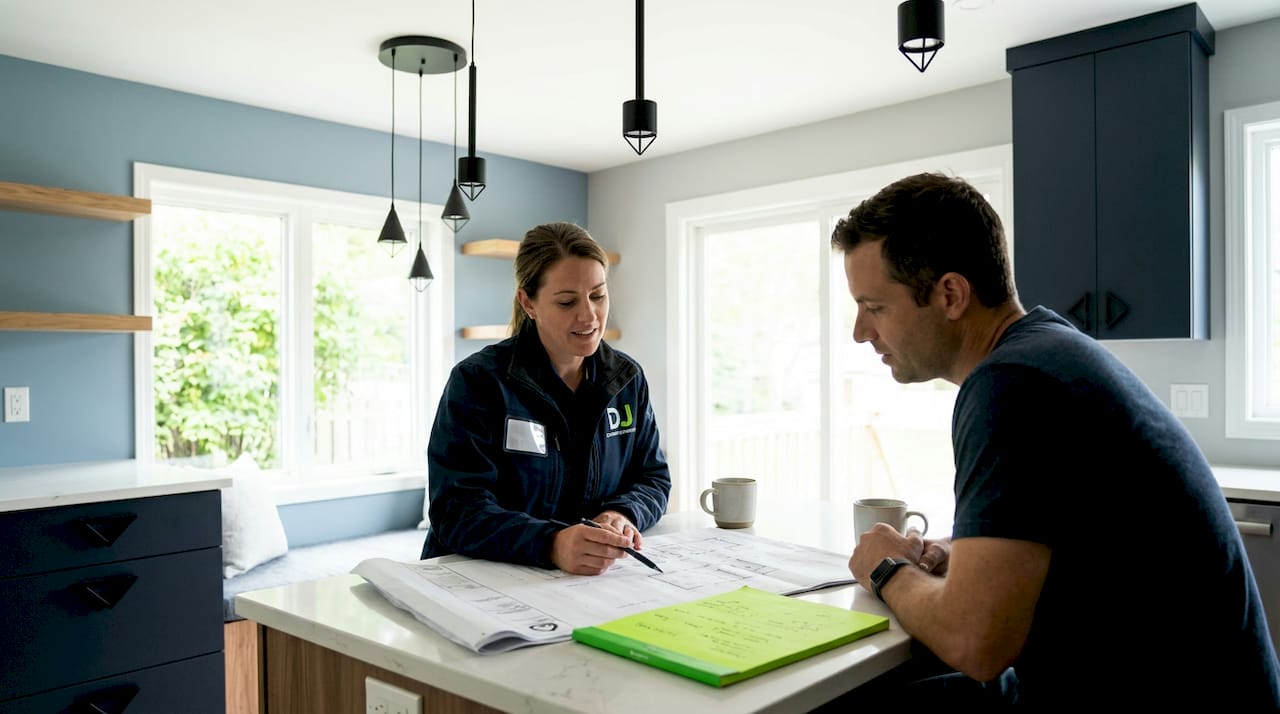
Choosing the wrong contractor can cost you far more than the price of the job itself. The role of licensed contractors goes well beyond showing up with tools. It covers legal accountability, permit management, worker safety, code compliance, and financial protection for property owners. Many homeowners and business owners assume that any contractor who seems experienced and offers a reasonable price is fine to hire. That assumption has led to failed inspections, denied insurance claims, and expensive rework. This guide breaks down what licensed contractors actually do, why it matters legally, and how to hire the right one.
Table of Contents
Key takeaways
Point | Details |
Licensing is legally required | Most states require contractors to hold active licenses, insurance, and bonds before performing construction work. |
Licensed contractors manage permits | They handle permit applications and inspections so your project meets code and protects your property value. |
Unlicensed work creates serious liability | Hiring unlicensed contractors can void insurance, trigger code violations, and leave you with no legal recourse. |
Verify before you hire | Always confirm license status, name match, and insurance certificates through your state licensing board. |
Quality and resale value are at stake | Documented, permitted work by licensed professionals adds to property value and prevents costly future problems. |
What licensed contractors are and what qualifications they hold
A licensed contractor is a professional who has met specific state requirements to legally perform construction work. Those requirements vary by state and trade, but they typically include passing a written exam, documenting years of field experience, carrying general liability insurance, and maintaining a surety bond.
The difference between a licensed contractor and an unlicensed worker is not just a piece of paper. Licensing means the contractor has demonstrated competency to a regulatory authority and agreed to operate under enforceable professional standards. Unlicensed workers have made no such commitment to any oversight body.
Licensing requirements differ significantly by location and specialty. A general contractor license covers overall project management but does not extend to regulated trades. As clarified by industry resources, general contractor licenses do not authorize specialized trade work. Electrical, plumbing, and HVAC work each require separate licenses held by the specific subcontractors performing those tasks. Homeowners often do not realize this distinction until a project is already underway.
State regulatory bodies take these standards seriously. Over 10,000 licensed construction professionals in Ohio are actively monitored by regulatory bodies in 2026, covering electricians, HVAC technicians, plumbers, and other trade specialists. States like Nevada enforce compliance through their contractor board, requiring that licensed contractors maintain bonds and workers compensation insurance as conditions of active licensure.
Licensed contractor qualifications typically include:
A passing score on a state or trade-specific licensing examination
Verified years of experience in the relevant trade or general contracting
Active general liability insurance with required minimum coverage amounts
A surety bond that protects clients if the contractor fails to complete the work
Compliance with ongoing continuing education or renewal requirements depending on the state
Pro Tip: Before signing any contract, ask your contractor for their license number and insurance certificate on the same day. Do not wait until the project starts. Delays in getting these documents are a red flag worth taking seriously.
Core roles and responsibilities of licensed contractors
Understanding what licensed contractors do on a daily basis helps clarify why their role is so much more than physical construction. A licensed general contractor functions simultaneously as a project manager, a compliance officer, a financial controller, and a risk manager. General contractors act as financial controllers and operations directors, requiring strong leadership and decision-making far beyond trade skills alone.
Here is what that looks like in practice across the life of a typical renovation or construction project:
Pre-construction planning. The contractor reviews blueprints, establishes a project timeline, develops a budget, and identifies which permits will be required before a single nail is driven. This planning phase is where most of the cost and delay prevention actually happens.
Permit application and management. Licensed contractors submit permit applications to local building departments and schedule required inspections. Permit handling protects property value and keeps projects in legal standing, a responsibility unlicensed workers simply cannot fulfill with any authority.
Subcontractor coordination. The general contractor vets and hires subcontractors for regulated trades, verifying that each one holds the appropriate license and insurance. They serve as the single point of accountability for the property owner across all parties working on the job.
On-site safety and compliance. Licensed contractors enforce safety protocols for all workers on site and maintain compliance with OSHA standards. If a worker is injured on the job, the contractor’s insurance and bonding structure provides a layer of protection for the property owner.
Financial and contract management. They maintain written contracts that specify scope, payment terms, timelines, and procedures for handling changes. This structure creates legal standing if disputes arise.
Final inspections and project closeout. Licensed contractors coordinate the final inspection with the building department and address any outstanding items before declaring the project complete.
Pro Tip: Ask your general contractor for the license numbers of every subcontractor they plan to use, not just their own. Checking those secondary licenses takes ten minutes and can prevent significant problems down the road.
Risks of hiring unlicensed contractors
The financial appeal of hiring an unlicensed contractor is real. Lower upfront prices feel attractive, especially for projects that seem straightforward. The problem is that the savings are almost always temporary.
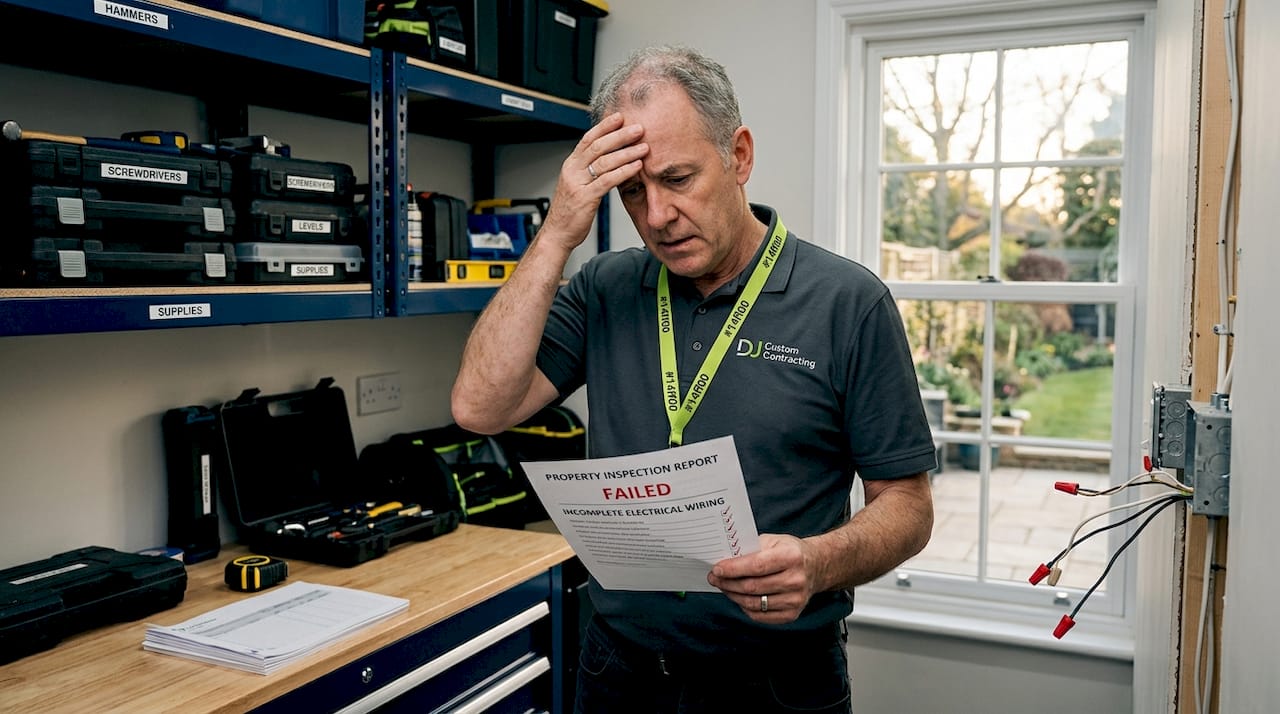
Licensed contractors provide legal contracts and accept responsibility if issues arise. Unlicensed workers offer no such protection. If the work is substandard, incomplete, or causes property damage, the property owner has limited legal recourse. There is no state board to file a complaint with, no bond to make a claim against, and often no traceable business entity to pursue in court.
The risks go beyond just bad workmanship:
Insurance claim denials. Many homeowners insurance policies exclude coverage for damage caused by unpermitted or unlicensed work. A water leak caused by unlicensed plumbing work may become your financial responsibility entirely.
Failed inspections and required rework. Unpermitted work discovered during a home sale or by a building inspector may require full demolition and reconstruction to bring the project into compliance.
Property resale complications. Buyers and their attorneys routinely ask for permits on completed work. Missing permits can delay closings, reduce sale prices, or kill deals altogether.
Legal penalties under state law. Performing construction work without a valid license in Utah is a class A misdemeanor for the first offense and escalates to a third-degree felony for repeat violations as of 2026. Similar laws exist in many other states.
Direct liability for worker injuries. If an uninsured worker is injured on your property, you may be held personally liable for their medical expenses and lost wages.
Unlicensed contractors shift the legal and financial risk directly onto the property owner. What looks like a deal at the estimate stage often becomes a costly liability before the project is finished.
The pattern is consistent: property owners who hire unlicensed contractors to save money frequently end up spending more correcting the problems that result. The importance of licensed contractors becomes painfully clear after the fact for too many property owners.
How to verify licensing before hiring
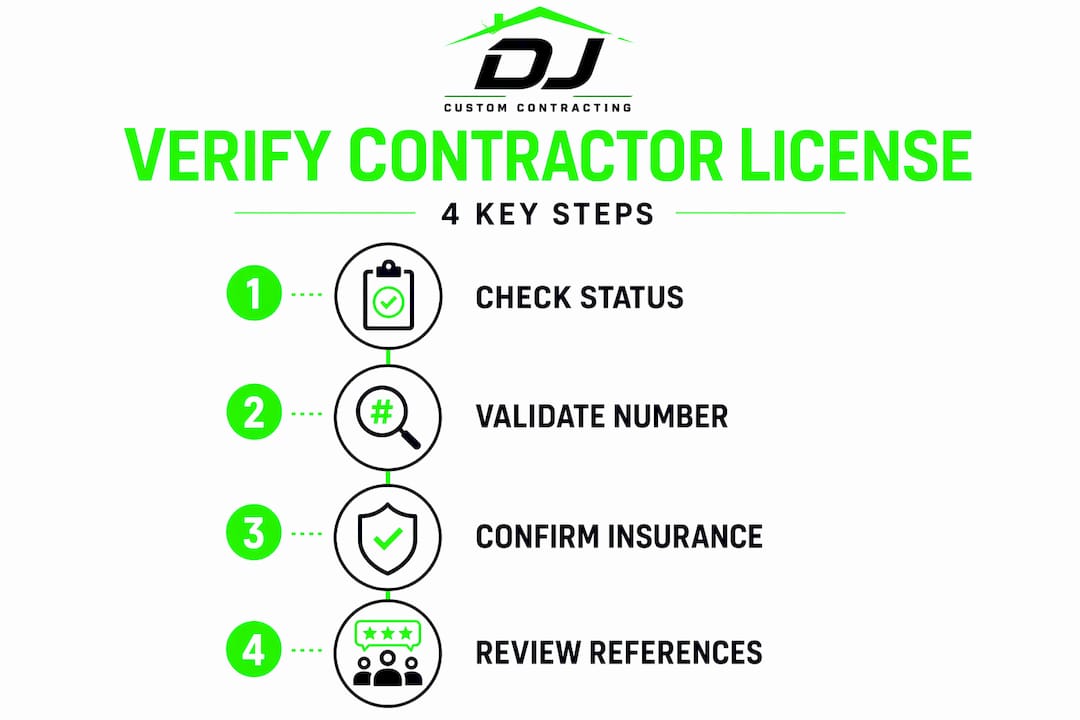
Checking a contractor’s license does not require legal expertise or special access. Every state maintains a public database through its licensing board where you can search by name, license number, or business entity. This step takes minutes and should be non-negotiable before signing any contract.
Here is what to look for when verifying credentials:
Confirm the license is active. An expired license is the same as no license for legal purposes. Check the expiration date and confirm the license is in good standing.
Match the name carefully. The name on the license must match the legal business or individual’s name exactly. Contractors who give you a license number that belongs to another entity are engaging in fraud, intentionally or otherwise.
Review complaint history. Most state boards list any formal complaints or disciplinary actions on the contractor’s record. A pattern of complaints is a meaningful signal.
Request an insurance certificate. Ask to be listed as an additional insured on the contractor’s general liability policy. This protects you if damage occurs during the project.
Verify subcontractor licensing separately. Do not assume the general contractor’s license covers the trade specialists they bring in. Confirm each subcontractor independently for electrical, plumbing, HVAC, and other regulated work.
Pro Tip: Search the contractor’s business name and license number on your state’s official licensing portal rather than accepting a photocopy they hand you. License documents can be altered. Official portals cannot.
Verification step | Why it matters |
Confirm license is active | Expired licenses provide no legal protection for the property owner |
Match name to business entity | Prevents licensing fraud and confirms the right party is accountable |
Review complaint history | Identifies patterns of poor work or unresolved disputes |
Request insurance certificate | Ensures coverage extends to your property during the project |
Check subcontractor licenses | General contractor coverage does not automatically cover trade specialists |
Knowing how to choose a licensed contractor means doing this verification before any money changes hands, not after the job starts.
Benefits of hiring licensed contractors beyond the basics
The compliance angle often dominates conversations about why hire licensed contractors, and that framing undersells the full picture. The practical advantages extend well beyond staying out of legal trouble.
Licensed contractors bring transparency and adherence to safety standards that protect homeowners from costly repairs and legal liabilities that surface years after a project is complete. That long-term protection is the real value proposition. Here is what that looks like in practice:
Documented project history. Licensed work comes with permits and inspection records that become part of your property’s file. That documentation reassures future buyers and their lenders.
Code compliance as a quality standard. Building codes are not arbitrary rules. They represent the minimum safety and structural standards for your area. Licensed contractors build to those standards because their license depends on it.
Accountability through state oversight. Homeowners gain peace of mind knowing licensed contractors are accountable to state boards. If serious problems occur, the property owner has formal channels for resolution that simply do not exist with unlicensed workers.
Permit and inspection management saves real time. Navigating the permit process alone is time-consuming and error-prone for property owners unfamiliar with local requirements. Licensed contractors handle this routinely and know how to avoid the delays that sink projects.
Higher quality work on average. Contractors who have passed licensing exams and maintained their credentials over time have demonstrated a baseline of technical knowledge. That baseline matters when structural integrity, waterproofing, or electrical safety is involved.
The benefits of hiring licensed contractors compound over the life of a property. One well-documented, code-compliant renovation adds more long-term value than three cheaper, unpermitted jobs that create problems at resale.
My take on what most property owners get wrong
I’ve been in the contracting field long enough to see the same costly mistakes repeat themselves. The most common one is treating the license as a formality rather than what it actually is: a risk management credential.
In my experience, property owners who focus only on price during the hiring process are not making a financial decision. They are making a gamble. I’ve seen situations where a homeowner saved a few thousand dollars upfront by going with an unlicensed contractor, then spent twice that amount having a licensed professional fix code violations before they could close on a sale.
What most people miss is the subcontractor piece. A general contractor’s license tells you about their accountability as a project manager. It does not tell you anything about the plumber or electrician they bring on site. I have always believed that verifying those secondary licenses is just as important as checking the GC’s credentials. The liability exposure from an unlicensed trade worker on your property is exactly the same regardless of who hired them.
The other thing I’d push back on is the idea that permit management is an inconvenience. Permits and inspections are a quality assurance system. They exist to catch problems before walls are closed up. When I manage a project, permit inspections are not an obstacle. They are a checkpoint that protects my clients. Property owners who understand that stop resenting the process and start appreciating the protection it gives them.
— DJ
How Djcustomcontracting delivers licensed contractor services
At Djcustomcontracting, every project is handled by licensed and insured professionals who take permit management, code compliance, and client accountability seriously. Whether you are planning an interior renovation or a full-scale exterior renovation, the team manages each phase from permit application through final inspection.

Established in 2018, Djcustomcontracting serves both residential and commercial clients with a full range of services: interior and exterior renovations, additions, alterations, DOB violation removal, commercial maintenance, and damage restoration. Every project follows applicable local laws, licensing requirements, building codes, and insurance regulations. No job is too large or too small. Contact Djcustomcontracting today for a consultation and written estimate to get your project started on the right foundation.
FAQ
What does a licensed contractor do?
A licensed contractor manages all aspects of a construction or renovation project, including permits, subcontractor coordination, code compliance, and contract accountability. They serve as the single point of responsibility for the property owner throughout the entire project.
Why is hiring a licensed contractor important?
Hiring a licensed contractor protects you from legal liability, insurance claim denials, and substandard work with no recourse. Proper permit handling protects your property value and keeps your project in legal standing.
How do I verify a contractor’s license?
Search your state’s official contractor licensing board portal using the contractor’s name or license number to confirm the license is active, unexpired, and matches the legal business name.
What are the risks of hiring an unlicensed contractor?
Hiring an unlicensed contractor can result in insurance claim denials, failed inspections, required rework, and personal liability for worker injuries. In states like Utah, unlicensed construction work can result in criminal charges for the contractor.
Does a general contractor license cover all trades?
No. A general contractor license covers project management and oversight, not regulated trade work. Electrical, plumbing, and HVAC work each require separately licensed subcontractors to remain compliant with state law.
Recommended


Comments