


Tips for Damage Restoration Projects: 2026 Guide

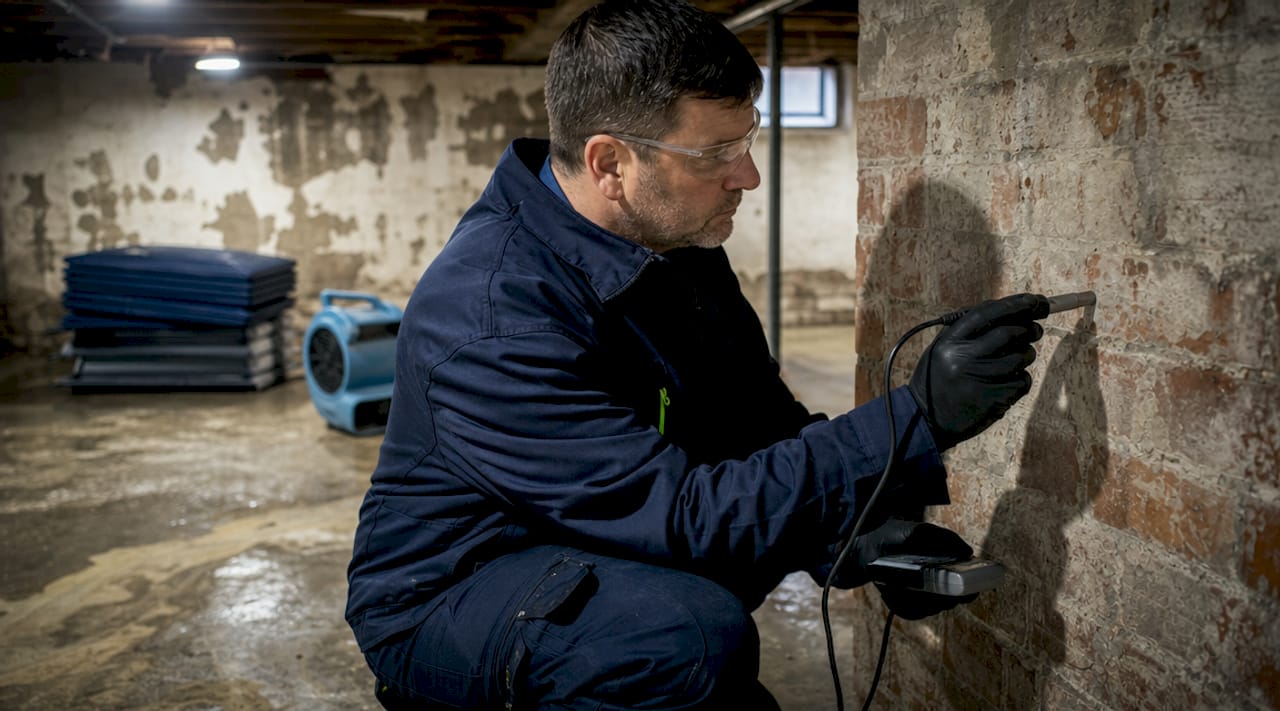
Damage restoration is defined as the professional process of returning a property to its pre-loss condition after water, fire, smoke, or biohazard events. The most critical factor in any successful restoration project is speed. Failing to stabilize moisture within 24 to 48 hours causes a 300% increase in restoration costs due to mold remediation alone. That single statistic explains why the best tips for damage restoration projects all point to one principle: act fast, document everything, and follow professional standards like IICRC S500 from the first hour. Whether you own a single-family home or manage a commercial property, these steps determine whether your restoration costs thousands or hundreds of thousands of dollars.
1. Tips for damage restoration projects start with moisture control
The 24 to 48 hour drying window is not a guideline. It is the boundary between a manageable repair and a full structural remediation. Mold spores thrive in damp areas and begin colonizing porous materials within that window, turning a water damage event into a mold remediation project that costs three times more.
Shut off the water source within 120 minutes of discovery. Every minute of continued flow increases saturation depth in walls, subfloors, and insulation.
Deploy wet vacuums and submersible pumps to remove standing water before any drying equipment is placed.
Position industrial air movers and LGR (low grain refrigerant) dehumidifiers immediately after extraction. Industrial air movers accelerate evaporation fourfold compared to standard fans, cutting drying time from weeks to days.
Install smart leak detectors in high-risk areas like mechanical rooms, bathrooms, and kitchens so future events trigger alerts before saturation occurs.
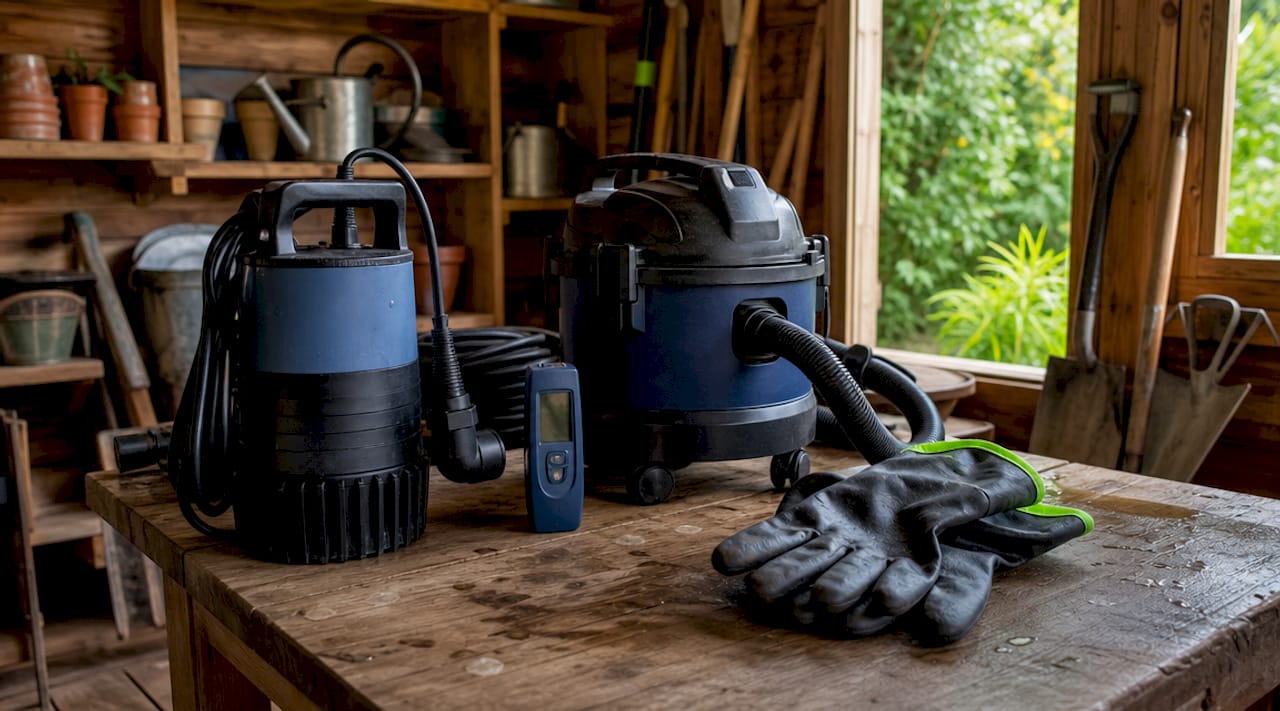
Pro Tip: Prepare a flood response kit in advance. Include a submersible pump, wet vac, moisture meter, and the contact number for a licensed restoration contractor. When water enters a property, having these items ready eliminates the 30 to 60 minutes typically lost sourcing equipment.
2. How proper documentation improves your insurance claim
Documentation is not paperwork. It is the financial foundation of your entire claim. Missing photos of source of loss and moisture readings reduces insurance claim approval amounts by 18%. That gap can represent tens of thousands of dollars on a mid-size commercial loss.
A strong documentation process includes:
Photo-first work orders: Photograph the source of loss, all affected surfaces, and every piece of damaged equipment or furniture before any removal begins.
Moisture logs: Record daily moisture meter readings and psychrometric data, including temperature and grains per pound (GPP), to show the drying curve over time.
Restoration roadmap: Share a written timeline with residents, tenants, and your insurance adjuster. Properties that provide a clear restoration roadmap see a 10% higher insurance claim approval intent from adjusters.
Status updates: Send brief written updates every 24 to 48 hours. Transparency with residents reduces anxiety and move-outs, which directly protects your revenue during the restoration period.
Pro Tip: Start communicating with your adjuster on day one, not after the work is done. Early contact closes information gaps, establishes your chain of evidence, and speeds the approval process by weeks.
3. What professional standards and safety measures must projects follow
The IICRC S500 standard is the industry benchmark for water damage restoration. It classifies water contamination into three categories, and each category dictates a different response protocol. Ignoring these categories is one of the most common and costly mistakes property owners make.
Category 1 (Clean water): Originates from supply lines or rain intrusion. Standard extraction and drying protocols apply.
Category 2 (Gray water): Contains biological contaminants from dishwashers, washing machines, or toilet overflow without feces. Requires antimicrobial treatment of all affected surfaces.
Category 3 (Black water): Sewage, floodwater, or grossly contaminated sources. Damaged porous materials like drywall and carpet must be removed entirely. Occupants must be relocated.
Incorrect or incomplete handling of Category 3 black water remediation not only risks occupant health but can lead to insurance claim denials and legal challenges. Using Level C PPE, including Tyvek suits and N95 or P100 respirators, combined with resident relocation during Category 3 events, reduces health-related legal disputes by 25%.
Biohazard waste from Category 3 events must be bagged, labeled, and disposed of according to local health codes. This is not optional. Non-compliance creates liability that no insurance policy fully covers.
4. Which tools are essential for effective damage restoration
Professional restoration that follows IICRC S500 standards and uses specialized restoration equipment consistently delivers superior results compared to DIY methods. The right tools are not a luxury. They are the difference between verified drying and hidden mold growth.
Tool | Function | Why it matters |
Moisture meter | Measures moisture content in walls, floors, and ceilings | Confirms drying without relying on visual inspection |
Thermal imaging camera | Detects hidden moisture behind surfaces | Finds water pockets invisible to the naked eye |
LGR dehumidifier | Removes moisture from air at low grain levels | Reaches drying targets faster than standard dehumidifiers |
Industrial air mover | Accelerates surface evaporation | Reduces drying time from weeks to days |
HEPA vacuum | Filters airborne particles including mold spores and smoke residue | Protects air quality during and after restoration |
Visual dryness is deceptive. A surface can feel and look dry while retaining moisture levels high enough to sustain mold growth inside wall cavities. Moisture meters and GPP readings are the only reliable way to confirm that drying targets have been met.
Pro Tip: Never sign off on a restoration as complete without a final moisture meter sweep of all affected areas. Document those readings and attach them to your claim file. Adjusters and courts both treat this data as authoritative evidence.
5. How restoration approaches differ by damage type and scale
Not all damage events are equal, and applying the same response to every situation leads to under-treatment or unnecessary costs. The step by step damage restoration process varies significantly based on whether you are dealing with water, fire, or biohazard damage.
Water damage is categorized by contamination level (Categories 1 through 3) and by the class of water absorption, which ranges from Class 1 (minimal absorption) to Class 4 (specialty drying required for hardwood, concrete, or plaster). Class 4 situations require desiccant dehumidifiers and extended drying cycles.
Fire and smoke damage introduces two distinct problems: structural char and smoke residue. Smoke residue penetrates porous materials and HVAC systems, causing persistent odor and air quality issues long after visible damage is removed. Dry ice blasting and thermal fogging are the two most effective methods for smoke odor control in residential and commercial spaces.
Biohazard cleanups require licensed contractors, personal protective equipment, and documented waste disposal chains. These events cannot be managed with general cleaning supplies.
Residential properties typically involve one or two trades (plumbing, drywall). Commercial properties often require coordination across electrical, HVAC, flooring, and structural trades simultaneously.
Selecting a contractor with multi-trade project experience is the single most important factor in keeping a complex restoration on schedule.
For commercial properties, consider whether a roof restoration decision is part of the damage scope, since roof integrity directly affects whether interior restoration holds.
6. Site stabilization actions that prevent secondary damage
Immediate site stabilization through board-up services and utility shut-off significantly reduces secondary damage risks after fire, storm, or structural events. Secondary damage is any new damage that occurs after the initial event because the property was left unsecured or exposed.
Board-up services seal broken windows, doors, and roof openings to prevent weather intrusion, vandalism, and unauthorized entry. Utility shut-off, specifically gas and electricity, eliminates fire and electrocution hazards before any crew enters the structure. These two actions alone prevent a large percentage of the additional losses that inflate restoration budgets.
For properties with undervalued or deferred maintenance, understanding restoration project scope before work begins helps owners make informed decisions about repair versus full reconstruction. Stabilization buys the time needed to make that assessment without further loss.
7. Building your restoration project checklist
A restoration project checklist is the operational tool that keeps every phase on track. Without one, critical steps get skipped, documentation gaps appear, and costs escalate. The checklist below reflects the damage restoration process 2026 professionals use on both residential and commercial sites.
Hour 1: Shut off water or gas source. Call licensed restoration contractor. Begin photo documentation.
Hours 1 to 4: Complete water extraction with pumps and wet vacuums. Deploy air movers and dehumidifiers. Notify insurance carrier.
Day 1: Record baseline moisture readings. Classify water category. Relocate occupants if Category 3. Begin board-up if structural openings exist.
Days 2 to 5: Monitor and log daily moisture and psychrometric readings. Remove unsalvageable porous materials. Apply antimicrobial treatments.
Days 5 to 14: Confirm drying targets met with moisture meter. Begin reconstruction phase. Maintain daily communication with adjuster and occupants.
Project close: Final moisture sweep. Photo documentation of completed work. Submit full claim package with all logs and photos attached.
Key takeaways
Successful damage restoration depends on acting within the 24 to 48 hour moisture window, maintaining thorough documentation, and following IICRC S500 standards throughout every phase of the project.
Point | Details |
Act within 48 hours | Delaying moisture stabilization causes a 300% cost increase from mold remediation. |
Document everything | Missing photos and moisture logs reduce insurance claim payouts by 18%. |
Follow contamination categories | Category 3 events require porous material removal, PPE, and occupant relocation. |
Use verified drying tools | Moisture meters and thermal cameras confirm drying that visual checks miss. |
Match response to damage type | Water, fire, and biohazard events each require distinct protocols and contractor expertise. |
What I’ve learned managing restoration projects from day one
After years of managing damage restoration projects across residential and commercial properties in New York and New Jersey, the pattern I see most often is this: property owners lose money not because they acted, but because they acted without a plan.
The two most overlooked steps are documentation and PPE compliance. Homeowners photograph the obvious damage and stop there. They miss the moisture readings, the psychrometric logs, and the daily drying records that adjusters actually use to calculate payouts. That gap costs real money, and it is entirely avoidable.
Speed matters, but coordination matters more. I have seen fast responses fail because the right equipment was not deployed in the right sequence. Air movers placed before extraction is complete push moisture deeper into wall cavities. Dehumidifiers running without sealed containment zones waste capacity. The sequence is not arbitrary. It is based on physics and decades of field data.
My strongest advice for anyone managing a restoration project: choose a contractor who can show you their IICRC certification, their moisture log format, and their communication protocol before work begins. Those three things tell you everything about whether they will protect your property and your claim. If they cannot produce all three, keep looking.
— DJ
How Djcustomcontracting supports your restoration project
Djcustomcontracting has been managing residential and commercial restoration and renovation projects since 2018, operating across New York and New Jersey with full licensing, insurance compliance, and multi-trade coordination. When damage events require more than a single repair, Djcustomcontracting handles the full scope, from initial stabilization through final reconstruction, keeping your project on schedule and your documentation complete for insurance purposes.
For commercial properties requiring post-damage renovation, the commercial renovation services at Djcustomcontracting cover everything from structural repairs to interior buildout. For residential damage, the interior renovation team brings the same licensed expertise to kitchens, bathrooms, and living spaces. Contact Djcustomcontracting today to discuss your project scope and get a tailored restoration plan.
FAQ
How quickly must water damage restoration begin?
Water damage restoration must begin within 24 to 48 hours of the event. Delays beyond this window cause a 300% increase in restoration costs due to mold growth and structural saturation.
What does IICRC S500 mean for my restoration project?
IICRC S500 is the professional standard governing water damage restoration procedures, including contamination classification, drying targets, and documentation requirements. Contractors certified under this standard follow verified protocols that protect both occupant health and insurance claim integrity.
Does incomplete documentation really affect my insurance payout?
Missing source-of-loss photos and moisture logs reduce insurance claim approval amounts by 18%. Submitting a complete digital chain of evidence, including daily moisture readings and photos, is the most direct way to protect your full claim value.
What is the difference between Category 2 and Category 3 water damage?
Category 2 (gray water) contains biological contaminants and requires antimicrobial treatment. Category 3 (black water) involves sewage or floodwater and requires full removal of porous materials, occupant relocation, and Level C PPE for all workers on site.
Can I handle damage restoration myself without a contractor?
Small Category 1 water events with limited surface area can be managed by a prepared homeowner with the right equipment. Any Category 2 or Category 3 event, fire damage, or biohazard situation requires a licensed contractor with certified equipment, documented protocols, and proper waste disposal procedures.
Recommended


Comments