


What Are Exterior Renovations? A Complete Guide

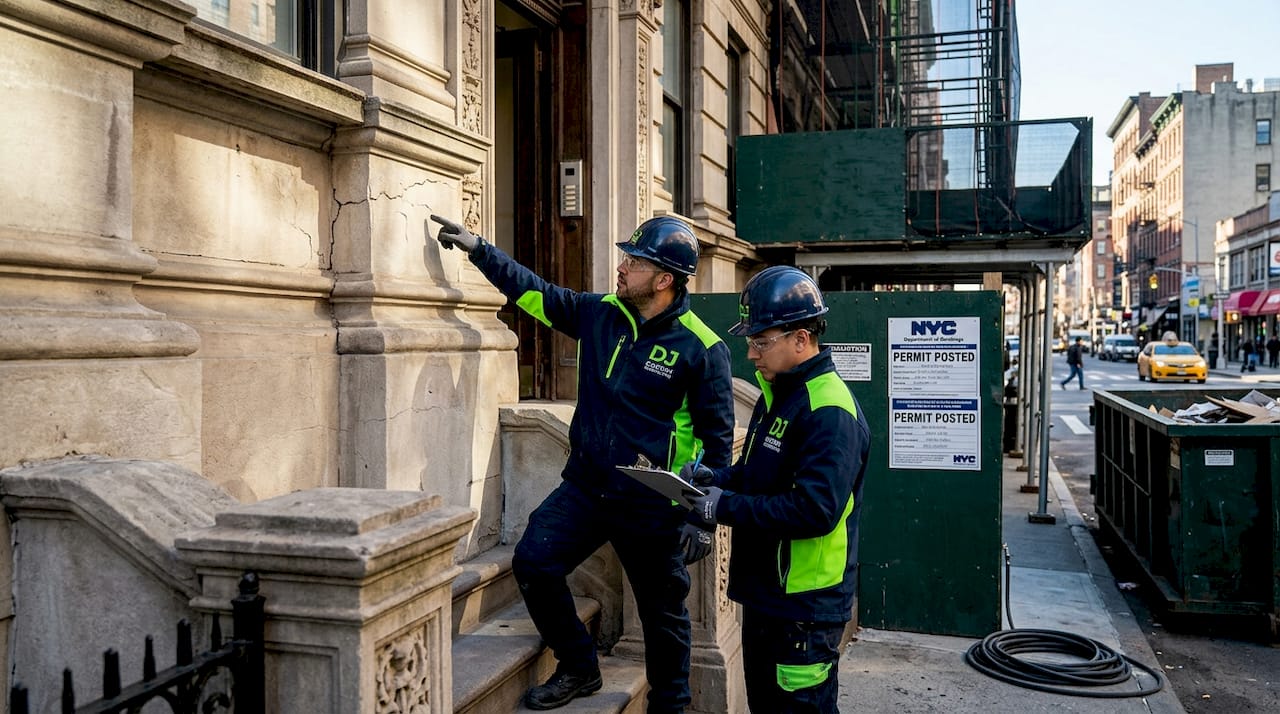
Most homeowners assume exterior renovations are just about fresh paint or a new front door. That thinking costs money. Exterior projects deliver high ROI compared to many interior upgrades, yet the full scope of what “exterior renovation” actually means catches many property owners off guard. In New York City and Northern New Jersey, that surprise is often compounded by aging building stock, strict local codes, and weather that tests every material you install. This guide explains exactly what exterior renovations include, how they work, what they cost, and how to plan your project so you spend money once and get results that last.
Table of Contents
Key Takeaways
Point | Details |
More than cosmetic | Exterior renovations include efficiency, structure, safety, and curb appeal upgrades. |
DIY vs pro | Surface updates may be DIY, but structural fixes and multi-element projects should be done by experts. |
NYC/NJ challenges | Older buildings and regulations require specialized planning and inspections. |
High ROI potential | Exterior upgrades typically raise property value and reduce long-term costs. |
Budget for surprises | Add at least 10-20% for hidden damage, unexpected code fixes, or weather delays. |
What counts as an exterior renovation?
Now that you know why exterior upgrades matter, it’s vital to pin down what actually qualifies as an exterior renovation.
An exterior renovation is any planned upgrade, replacement, or structural fix applied to the outside of a property. It is not the same as a repair. A repair restores something broken back to its original condition, like patching a cracked window frame. A renovation, by contrast, upgrades that element for better performance, updated aesthetics, improved energy efficiency, or enhanced safety. The distinction matters because renovations typically require permits, licensed contractors, and a coordinated plan.
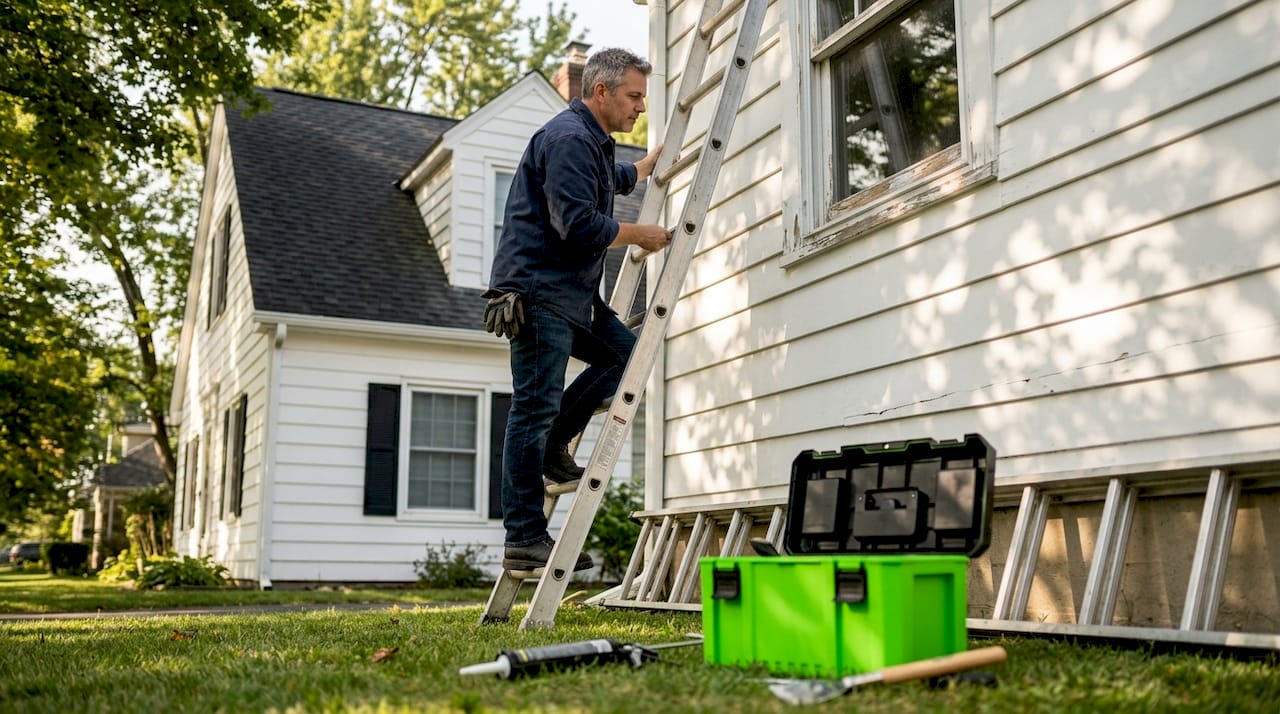
Our exterior renovation services cover the full range of projects that fall into this category, which is much wider than most people expect.
Common exterior renovation projects
Roofing: Full replacement, material upgrades, or structural reinforcement
Siding: Replacing wood, vinyl, stucco, brick veneer, or EIFS cladding
Windows and doors: Upgrading for energy performance, code compliance, or appearance
Masonry: Repointing, facade restoration, lintel replacement, waterproofing
Decks and patios: New structures, rebuilds, or surface replacements
Drainage and grading: Correcting slope issues that channel water toward foundations
Painting and coatings: Exterior paint systems, elastomeric coatings, sealers
Commercial signage and storefronts: Awning replacement, facade updates, lighting
The table below shows how exterior renovation projects differ between residential and commercial properties, which helps clarify scope when planning your project.
Project type | Residential example | Commercial example |
Roofing | Asphalt shingle or flat roof replacement | TPO or EPDM membrane system |
Facade | Brick repointing on a brownstone | Stucco or panel cladding on retail space |
Windows/doors | Double-pane replacement windows | Storefront aluminum curtain wall |
Waterproofing | Basement exterior membrane | Parking deck coating |
Landscaping/access | Driveway repaving, front steps | ADA-compliant entry ramp |
Signage/lighting | Exterior fixtures, address numbers | Illuminated commercial sign, LED canopy |
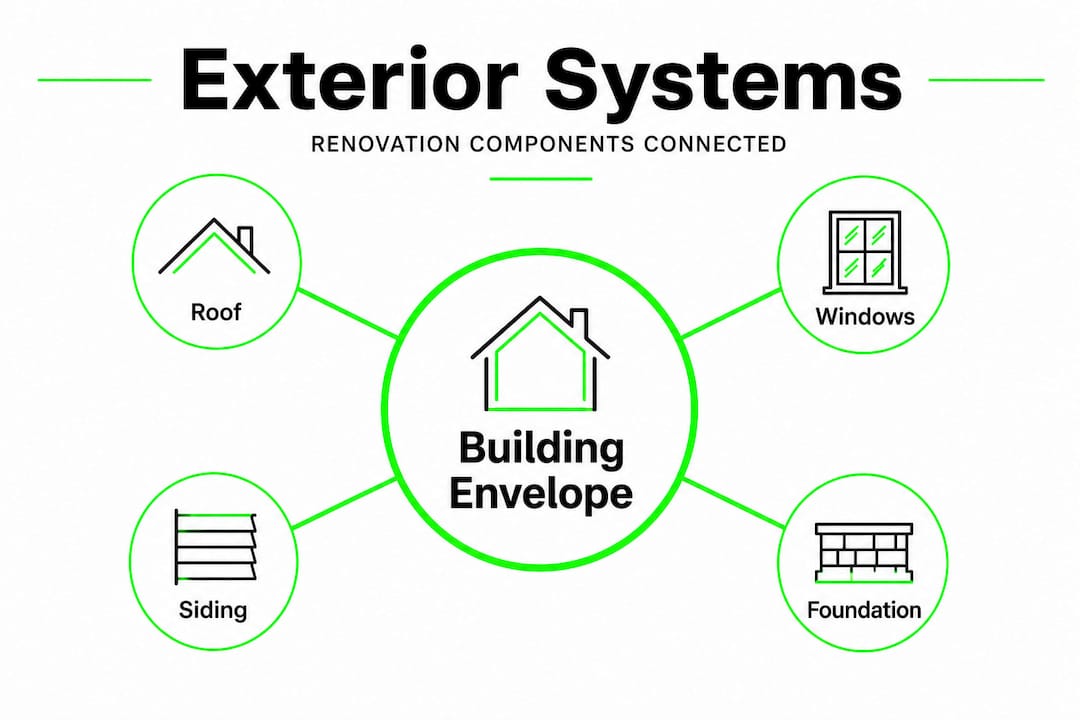
What makes exterior renovation genuinely complex is the system-based approach that skilled contractors apply. Your roof, siding, windows, and foundation drainage all interact. Water that gets past worn siding doesn’t stay in the wall. It travels down to the foundation, or up under the roof deck. Treating each element as isolated leads to expensive rework. Treating them as one interconnected system produces results that hold up.
This is one reason exterior renovation often runs parallel with interior renovations, especially in older buildings where wall systems and structural framing are tied together. For businesses, commercial renovation work frequently starts with exterior assessment before interior work begins.
DIY fixes vs professional exterior renovation
Once you recognize exterior renovation types, the big question is: which projects can you realistically tackle yourself, and when should you bring in the experts?
The honest answer is that some exterior updates are well within a capable homeowner’s skill set. Many carry real risk if done without structural knowledge or proper licensing.
DIY-friendly exterior tasks generally include:
Repainting wood trim or siding (provided there’s no lead paint or structural damage underneath)
Swapping out hardware on doors and gates
Minor landscaping, mulching, and planting
Cleaning gutters and downspouts
Replacing a single cracked pane in a non-load-bearing window
Professional-only exterior work includes anything touching structure, waterproofing, or building systems:
Roof replacement or major repair
Masonry repointing, lintel replacement, or facade work
Window replacement in high-rise or pre-war construction
Foundation waterproofing and drainage correction
Any work requiring a DOB permit in New York City
The table below compares DIY versus professional approaches across key decision factors.
Factor | DIY approach | Professional contractor |
Project scope | Cosmetic, surface-level tasks | Structural, system-level, or code-required work |
Cost risk | Low upfront, but can escalate fast | Higher initial cost, but prevents rework |
Quality impact | Variable, often short-lived | Durable, warrantied results |
Time and disruption | Can stretch for weeks | Scheduled and managed efficiently |
Permit handling | Often skipped, creating liability | Handled correctly and documented |
One of the most expensive mistakes property owners make is applying a cosmetic fix over a structural problem. New paint over rotted wood looks fine for one season. By the following spring, that wall cavity has collected moisture, the rot has spread, and the repair cost has tripled. A coordinated system approach prevents expensive rework precisely because professionals probe what’s underneath before deciding what goes on top.
3 signs you need a professional exterior contractor
You find soft spots, discoloration, or staining on walls, soffits, or ceilings near exterior walls. These are indicators of water intrusion that surface painting will not solve.
Your project involves two or more connected exterior elements, such as roof and siding, or windows and masonry. Coordinating these without experience leads to gaps in waterproofing.
Your property is in NYC or a regulated municipality in NJ and the work requires a permit. Unpermitted work can result in stop-work orders, fines, and complications when selling.
Pro Tip: If your project touches multiple external elements or reveals hidden damage during early investigation, call a contractor before purchasing any materials. The assessment often changes the scope entirely, and early involvement saves you the cost of materials that end up being the wrong choice.
Understanding the difference between co-op and condo ownership also matters here. NYC properties have distinct approval processes depending on structure type. Review the co-op vs condo renovation differences before assuming your board approval timeline or contractor requirements.
Common challenges with NYC and NJ exterior renovations
Even after selecting projects and deciding on DIY versus professional help, homeowners and business owners should be aware of location-specific challenges.
New York City and Northern New Jersey present a combination of building age, density, regulatory requirements, and climate that creates a unique renovation environment. Understanding these challenges before you budget or schedule protects you from costly surprises mid-project.
Local building types and their specific risks
Brownstones and row houses built before 1940 are common throughout Brooklyn, the Bronx, Harlem, and Hudson County. These buildings often have aging structures needing foundation checks before any exterior work begins. Foundation settling, hidden rot in wood framing, and decades of patchwork repairs layered on top of each other are standard findings during professional assessments.
Mid-rise and high-rise buildings in NYC fall under the Facade Inspection Safety Program (FISP), which requires periodic inspection and repair of facades over a certain height. This regulatory requirement directly shapes exterior renovation scope and timing for building owners and property managers.
Region-specific exterior renovation challenges
Hidden rot and moisture damage inside wall systems, particularly in pre-war wood-frame construction
Foundation movement common in older properties built on varied soil conditions across the metro area
Code compliance requirements, including DOB permits, FISP inspections, and landmark preservation rules in designated historic districts
Weather constraints that limit exterior work windows, especially for masonry, painting, and roofing
Historic preservation restrictions in landmarked neighborhoods that control material choices, colors, and installation methods
Party wall considerations in row houses and attached buildings where exterior work on one property can affect adjacent structures
Regulatory note: In NYC, working on a landmarked building without Landmarks Preservation Commission (LPC) approval can result in fines and mandatory removal of completed work. Always verify your property’s landmark status before selecting materials or contractors.
Pro Tip: In NYC and NJ, start with a professional exterior assessment before you set a budget or choose materials. What you see from the street rarely tells the full story of what needs to be done.
Many of these challenges are especially pronounced in pre-war buildings. For a closer look at what working on older NYC properties actually involves, the guide on pre-war NYC renovation covers the most important considerations by property type.
Budgeting and ROI: What to expect from an exterior renovation
Having covered practical and regional considerations, a key deciding factor is always cost and potential return on investment.
Cost transparency is one of the most important things a contractor can offer. Exterior renovations vary widely in price depending on materials, labor, project complexity, and what surfaces reveal once work begins.
Typical exterior renovation cost drivers include:
Materials: Brick, stone, fiber cement, and premium windows cost significantly more than basic alternatives, but they also last longer and perform better in the NYC/NJ climate.
Labor: Skilled masonry, roofing, and waterproofing work commands higher rates, especially in the metro area where licensing and insurance requirements are strict.
Permits and inspections: DOB filing fees, expediter costs, and inspection scheduling add to total project cost but protect your investment legally.
Energy upgrades: Adding insulation, high-performance windows, or reflective roofing increases upfront cost but reduces monthly utility bills over time.
Hidden repairs: Rot, water damage, and deteriorated structural elements discovered mid-project are the most common source of budget overruns.
Stat callout: Exterior projects deliver high ROI and are among the most popular renovation categories according to Houzz research, with energy upgrades providing ongoing savings on monthly utility costs.
One rule experienced contractors consistently recommend: always build a contingency of 10 to 20 percent into your exterior renovation budget. Hidden rot alone can add 10-30% to total project cost once discovered, and structural surprises are common in buildings that have been deferred on maintenance.
The real value of exterior renovation is not just visual. A properly waterproofed, insulated, and structurally sound exterior reduces your long-term maintenance costs, lowers energy bills, and protects the resale value of your property. In NYC and NJ real estate markets, properties with documented, permitted renovation work consistently attract stronger offers and fewer buyer contingencies.
For a comparable view of how renovation budgets are structured across different project types, the breakdown of remodeling costs offers useful reference points for planning your total project budget.
Why treating your exterior as a system saves money and stress
Most people approach exterior renovation as a checklist. Fix the roof when it leaks. Replace the windows when they draft. Repaint the siding when it peels. That approach is understandable, and it is also how properties end up in cycles of repeated, expensive repairs that never quite solve the underlying problem.
The contractors who consistently deliver durable, cost-effective results think differently. Treating roof, siding, drainage, and windows as one system rather than stand-alone projects changes everything about how work is planned and sequenced.
Here is why that matters practically. Imagine a property where the roof is replaced first. Eighteen months later, the owner notices moisture in the wall below the new roof. Investigation reveals the siding had gaps that allowed water in, and that water tracked behind the new roof membrane. Now the owner pays to open up the wall, treat the moisture damage, and address the siding that should have been part of the original scope. The total cost is higher than a coordinated project would have been from the start.
This pattern repeats on properties across New York City and New Jersey every season. It is not a contractor failure in most cases. It is a planning failure. Property owners who see the cheapest path through one element end up spending more across multiple episodes of repair.
The broader lesson is this: it is not what looks good today, but what holds up through New York winters and pays off years from now. Exterior renovation done right is an investment in the structural integrity, energy performance, and long-term market value of your property. Done piecemeal, it becomes a recurring expense that gradually erodes that value.
The most important shift any property owner can make is to think about their building’s exterior as one connected envelope that either performs or fails as a whole.
Get expert help with your exterior renovation
If you are ready to move forward or simply want a professional opinion before committing to a plan, getting an expert assessment is the smartest first step you can take.

DJ Custom Contracting has been working with residential and commercial property owners across NYC and Northern New Jersey since 2018. We understand the building types, the permit requirements, and the hidden challenges that make local exterior renovation different from anywhere else. Our team handles every stage of the project, from initial assessment through final inspection, so nothing falls through the gaps. Whether you need exterior renovation contractors for a brownstone facade, a full commercial facade update, or a coordinated multi-element exterior upgrade, we bring the experience and licensing to do it right. Explore our full general contractor services or connect with our commercial renovation experts to discuss your project.
Frequently asked questions
What is the difference between exterior renovation and repair?
Repairs fix broken or damaged elements to restore them to their original condition, while exterior renovation upgrades or transforms parts of your property’s outside for better performance, value, or appearance. Renovations typically require permits and licensed contractors, repairs often do not.
How much should I budget for unexpected problems during an exterior renovation?
Experts recommend adding a 10-20% contingency to your exterior renovation budget, since hidden rot or structural surprises can increase total project costs by 10 to 30 percent once uncovered.
Can I renovate my exterior in the winter in NYC or New Jersey?
Exterior renovations are best scheduled outside of winter months because weather delays and material limitations affect masonry, painting, and roofing in cold or wet conditions, which can compromise installation quality and extend timelines significantly.
Are exterior renovations worth the investment?
Yes. Exterior projects deliver high ROI and provide lasting returns through curb appeal improvements, energy savings, and stronger property values in competitive real estate markets like NYC and Northern NJ.
What permits are needed for exterior renovation in NYC?
Permit requirements depend on your specific project and property type, but structural changes, facade work on buildings over a certain height, and renovations in historic districts almost always require DOB filing and approval before work can legally begin.
Recommended


Comments