


Understanding the Financial Impact of Renovating a NYC Apartment in 2026

Renovating an apartment in New York City is a major financial decision. The city’s unique real estate market, combined with rising costs and strict regulations, makes renovation projects both exciting and challenging. If you plan to update your NYC apartment in 2026, understanding the true costs involved will help you budget wisely and avoid surprises.
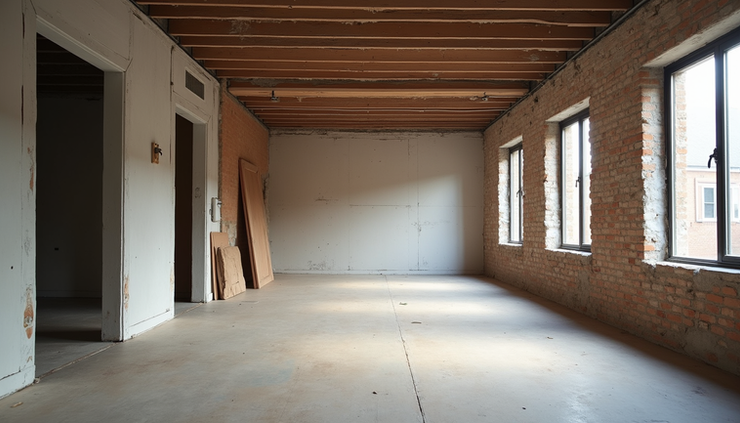
Why Renovation Costs in NYC Are Higher Than Average
New York City stands out for its high renovation costs compared to other U.S. cities. Several factors contribute to this:
Labor expenses: Skilled labor in NYC commands premium wages due to high living costs and union regulations.
Permitting and inspections: The city requires multiple permits and inspections, each adding fees and time.
Material costs: Delivering materials to tight urban spaces often increases expenses.
Building regulations: Older buildings may have landmark status or strict codes that require specialized work.
Limited space: Small apartments and narrow hallways complicate construction logistics.
These elements combine to push renovation budgets well above national averages.
Typical Renovation Budget Breakdown
When planning a renovation, it helps to understand where your money will go. Here’s a typical budget breakdown for a mid-range NYC apartment renovation in 2026:
Design and permits: 10-15%
Includes architect fees, engineering, and city permits.
Demolition and structural work: 15-20%
Removing old fixtures, walls, or updating framing.
Plumbing and electrical: 15-20%
Upgrading systems to meet code and modern needs.
Finishes and fixtures: 30-40%
Flooring, cabinetry, countertops, lighting, and appliances.
Contingency fund: 10-15%
Covers unexpected issues like hidden damage or delays.
For example, a 1,000-square-foot apartment renovation might cost between $150,000 and $300,000 depending on scope and finishes.
How to Estimate Your Renovation Costs
Estimating costs accurately requires research and professional advice. Here are steps to get a realistic budget:
Get multiple contractor quotes: Compare bids from licensed contractors familiar with NYC regulations.
Consult an architect or designer: They can help scope the project and identify potential challenges.
Research material prices: Visit local suppliers or check online for current costs.
Factor in permit fees: NYC Department of Buildings charges vary by project size and type.
Add a contingency: Always plan for 10-15% extra to cover surprises.
Using these methods will give you a clearer picture of your total investment.
Common Cost Drivers in NYC Apartment Renovations
Certain elements tend to increase renovation costs more than others in NYC:
Asbestos or lead paint removal: Older buildings often require hazardous material abatement.
Upgrading HVAC systems: Many apartments lack central air, requiring complex installations.
Soundproofing: To meet city noise standards, additional insulation may be necessary.
Custom cabinetry and millwork: Space constraints often call for bespoke solutions.
Elevator and building access fees: Some buildings charge for elevator use or require special insurance.
Understanding these factors helps you anticipate where your budget might stretch.
Tips to Control Renovation Costs Without Sacrificing Quality
Renovations don’t have to break the bank. Here are practical ways to manage costs:
Prioritize your needs: Focus on essential upgrades first, like plumbing or electrical.
Reuse and restore: Salvage existing materials such as hardwood floors or moldings.
Choose mid-range finishes: High-end materials add style but also cost significantly more.
Schedule efficiently: Avoid delays by coordinating contractors and inspections carefully.
Shop around for appliances: Look for sales or slightly older models that still offer good performance.
Balancing quality and cost ensures a renovation that adds value without overspending.
The Impact of Inflation and Market Trends in 2026
Inflation and supply chain issues continue to affect renovation costs in 2026. Material prices for lumber, steel, and fixtures have fluctuated, sometimes sharply. Labor shortages also drive up hourly rates.
Additionally, demand for sustainable and energy-efficient upgrades is rising. While these features may increase upfront costs, they often reduce long-term utility bills and improve resale value.
Staying informed about market trends helps you make smart choices and avoid overpaying.
Financing Your NYC Apartment Renovation
Funding a renovation can come from various sources:
Home equity loans or lines of credit: Use your apartment’s equity to borrow at lower interest rates.
Personal loans: Unsecured loans offer flexibility but usually have higher rates.
Cash savings: Paying upfront avoids interest but requires solid budgeting.
Renovation mortgages: Some lenders offer loans specifically for home improvements.
Before committing, compare terms and consider how monthly payments fit your budget.
Working with Professionals to Avoid Costly Mistakes
Hiring experienced professionals is crucial in NYC renovations. Architects, contractors, and project managers familiar with local codes and building quirks can save you time and money.
Look for:
Licensed and insured contractors
References and past project examples
Clear contracts with detailed scopes
Regular communication and updates
Their expertise helps prevent costly errors and ensures your project runs smoothly.
Case Study: Renovating a 900-Square-Foot Manhattan Apartment
A recent renovation in Manhattan highlights typical costs and challenges:
The owner budgeted $200,000 for a full kitchen and bathroom update, new flooring, and electrical upgrades.
Unexpected asbestos was found behind walls, adding $15,000 for removal.
Permit delays extended the timeline by two months, increasing labor costs by $10,000.
Choosing mid-range finishes saved about $20,000 compared to high-end options.
The final cost was $225,000, about 12% over the original budget.
This example shows why contingency funds and professional guidance are essential.


Comments