


Understanding the Key Differences Between Co-op and Condo Renovations for NYC Owners

Renovating a home in New York City can be an exciting yet complex process, especially when it comes to co-ops and condos. Both types of ownership come with unique rules, restrictions, and procedures that affect how renovations are planned and executed. For NYC owners, understanding these differences is crucial to avoid costly delays, unexpected fees, or even denied approvals.
This post breaks down the key distinctions between co-op and condo renovations, offering practical insights to help owners navigate their projects smoothly.
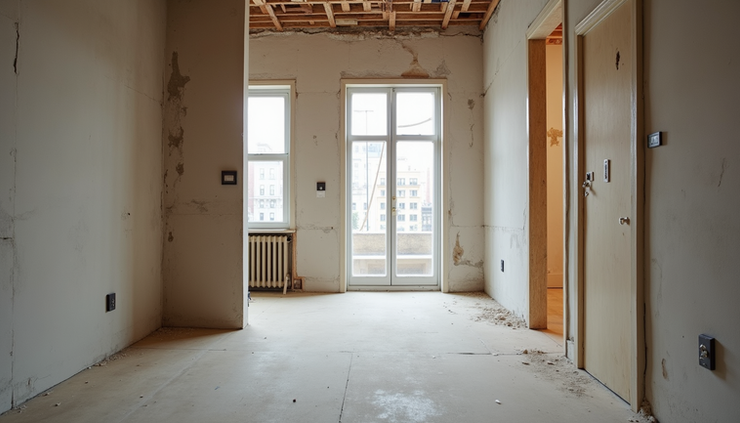
Renovation work inside a New York City apartment showing exposed walls and construction materials
Ownership Structure and Its Impact on Renovations
The first major difference between co-ops and condos lies in ownership. In a co-op, you own shares in a corporation that owns the building, and your apartment is a leasehold interest. In a condo, you own your individual unit outright as real property.
This distinction affects renovation permissions:
Co-op Renovations
Co-op boards have significant control over renovations because the entire building is owned collectively. They often require detailed plans, contractor approvals, and strict adherence to building rules. The board’s goal is to protect the building’s structure and maintain uniform standards.
Condo Renovations
Condo owners have more autonomy since they own their units directly. While the condo board or management may require permits or notifications, they generally impose fewer restrictions on interior work unless it affects common areas or building systems.
Understanding this ownership difference helps owners anticipate the level of oversight and approval needed before starting renovations.
Approval Process and Timeline Differences
Renovation approvals can be a major hurdle. Co-ops typically have a more involved and lengthy approval process compared to condos.
Co-op Approval Process
Renovation requests usually go through the managing agent and then the co-op board. This process can take several weeks or even months. Owners must submit detailed renovation plans, contractor information, and sometimes proof of insurance. The board may require interviews with contractors or site visits.
Condo Approval Process
Condos often require submitting renovation notices or applications to the management company. The process is usually faster and less formal. Some condos only require notification rather than full approval unless the work impacts common elements like plumbing stacks or electrical systems.
Owners should plan renovation timelines accordingly, especially in co-ops where delays are common.
Restrictions on Renovation Scope and Materials
Co-ops and condos differ in what renovations are allowed and what materials can be used.
Co-op Restrictions
Co-op boards often restrict structural changes, plumbing modifications, and electrical work to protect the building’s integrity. They may require specific materials or finishes to maintain a consistent look. For example, some co-ops prohibit hardwood floors to reduce noise transmission.
Condo Restrictions
Condos generally allow more freedom for interior renovations. Owners can often replace floors, walls, and fixtures with fewer restrictions. However, any work affecting shared systems or common areas still requires approval.
Knowing these limits helps owners avoid costly changes or rework after approvals.
Impact on Contractors and Work Hours
Both co-ops and condos have rules about who can work and when.
Co-op Contractor Requirements
Co-ops usually require contractors to be licensed, insured, and approved by the board. Contractors may need to follow strict building rules about noise, debris removal, and elevator use. Work hours are often limited to weekdays during business hours.
Condo Contractor Requirements
Condos also require licensed and insured contractors but tend to be more flexible with work hours and procedures. Some condos allow weekend or evening work with prior notice.
Owners should communicate clearly with their contractors about building rules to avoid fines or work stoppages.
Fees and Deposits Related to Renovations
Renovations in NYC co-ops and condos often involve fees and deposits to cover potential damage or administrative costs.
Co-op Fees
Co-ops commonly require a renovation deposit, which can range from a few thousand to tens of thousands of dollars depending on the scope. This deposit protects the building from damage and ensures cleanup. Some co-ops also charge administrative fees for processing applications.
Condo Fees
Condos may require a smaller deposit or none at all. Administrative fees are usually lower or waived. However, deposits may be required for work affecting common elements.
Understanding these financial requirements helps owners budget accurately.
Insurance and Liability Considerations
Insurance is critical during renovations to protect owners and the building.
Co-op Insurance
Co-ops often require owners and contractors to carry liability insurance naming the co-op as an additional insured party. This protects the building from claims related to accidents or damage during renovations.
Condo Insurance
Condos also require insurance but may have less stringent requirements. Owners should check their condo’s rules and their own policies to ensure adequate coverage.
Confirming insurance requirements early prevents delays and liability issues.
Examples of Renovation Challenges in NYC Co-ops and Condos
A co-op owner in Manhattan planned a kitchen renovation but faced a three-month delay waiting for board approval. The board required changes to plumbing plans and contractor credentials, which added unexpected costs.
A condo owner in Brooklyn replaced hardwood floors with tile without needing board approval. However, when the tile installation affected the shared plumbing stack, the condo board intervened, requiring additional permits and inspections.
These examples show how understanding the rules upfront can save time and money.
Tips for NYC Owners Planning Renovations
Start Early
Begin the approval process well before your planned start date, especially in co-ops.
Hire Experienced Contractors
Choose contractors familiar with NYC co-op and condo rules.
Communicate with Boards and Management
Keep open lines of communication to address concerns quickly.
Review Governing Documents
Study your building’s bylaws, house rules, and renovation policies.
Prepare for Inspections
Schedule and pass any required inspections promptly.
Renovating a co-op or condo in New York City requires careful planning and knowledge of the unique rules that govern each type of ownership. Co-ops demand more oversight and stricter approvals, while condos offer greater flexibility but still require attention to shared systems and common areas.


Comments