


Curb Cut Permit NYC: What Property Owners Must Do
- DJ Custom Contracting

- 4 days ago
- 13 min read
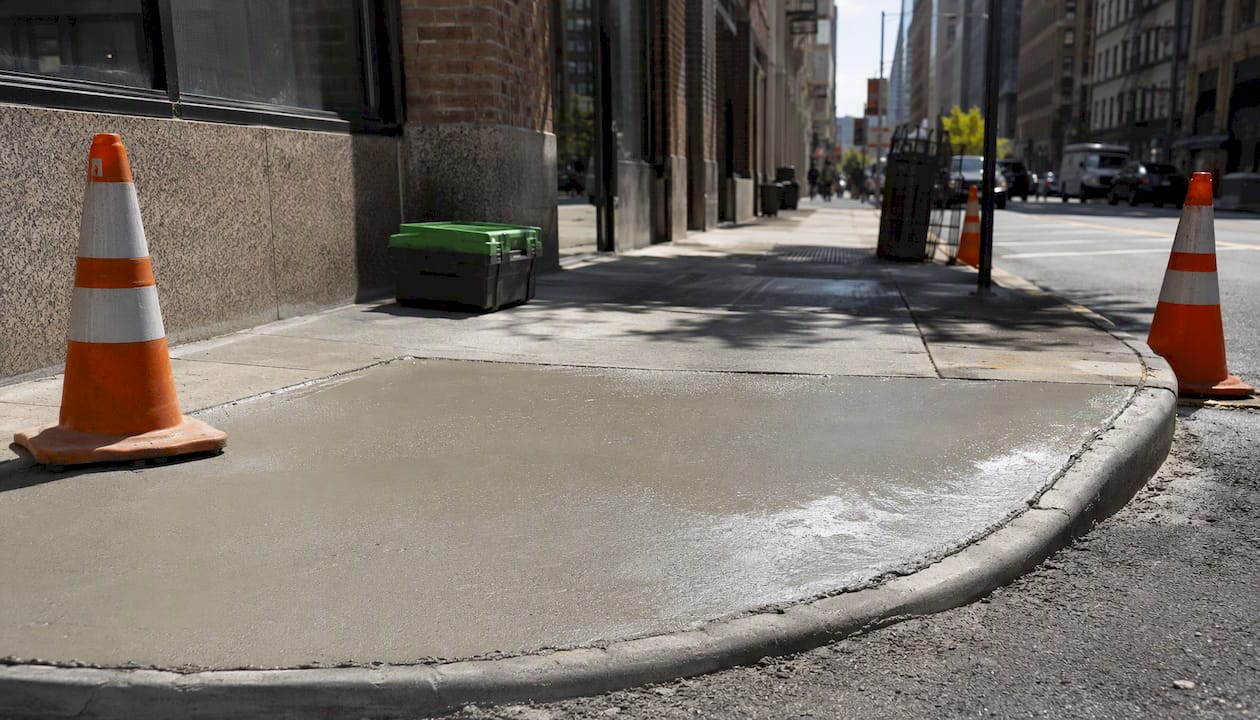
Getting a legal curb cut in New York City comes down to three non-negotiable steps: hire a New York State licensed Professional Engineer (PE) or Registered Architect (RA) as your Applicant of Record, file the project through DOB NOW: Build, and secure separate sidewalk and curb permits from the Department of Transportation before anyone touches concrete. Skip any one of these, and you are building an illegal curb cut, even if the work looks identical to the legal version next door.
Property owners often assume a curb cut is a paving job. It’s a multi-agency filing process, and DOB approval alone does not authorize you to break ground. You still need DOT sign-off on the encroachment into public sidewalk space, and the two approvals do not happen automatically together.
Here’s what to do today if you’re planning one:
Hire your Registered Design Professional (RDP) first. A licensed PE or RA must be your Applicant of Record before you file anything.
Order a land survey no older than 90 days. Older surveys get rejected routinely and restart your timeline.
Set up your DOB NOW: Build owner account and email consent. Your RDP cannot submit without your digital authorization in the portal.
Enforcement risk is real and often underestimated. A Comptroller’s audit of DOB’s oversight found that in a sample of curb cut complaints, the city potentially failed to assess penalties because of process breakdowns. That doesn’t mean the city has given up on enforcement. It means violations can sit unnoticed for years, then surface at the worst possible time, like during a property sale or refinance.
Key Takeaways
A legal NYC curb cut requires a licensed PE or RA as Applicant of Record, a DOB NOW: Build filing, and a separate DOT sidewalk and curb permit before construction starts.
Point | Details |
Hire a licensed RDP | A NYS PE or RA must be your Applicant of Record and file plans through DOB NOW: Build. |
File DOB and DOT separately | DOB approval does not replace the DOT sidewalk and curb permit; both are required. |
Keep your survey current | Land surveys older than 90 days are frequently rejected and restart the timeline. |
Verify contractor licensing | Confirm the performing contractor holds an active DCA Home Improvement Contractor license. |
Sequence approvals before construction | Never start physical work until both DOB and DOT permits are fully issued to avoid ECB/OATH violations. |
Consider a coordinated contractor | Djcustomcontracting manages RDP coordination, DOT filings, construction, and closeout as one process. |
Table of Contents
What Is a Curb Cut and Who Regulates It in NYC
A curb cut is the dip built into a sidewalk and curb that lets a vehicle cross from the street into a driveway, garage, parking lot, loading dock, or drive-through. It sounds simple. The regulatory structure behind it isn’t, because you’re altering both private property access and a piece of public infrastructure at the same time, which is exactly why two separate city agencies claim jurisdiction over different parts of the same project.
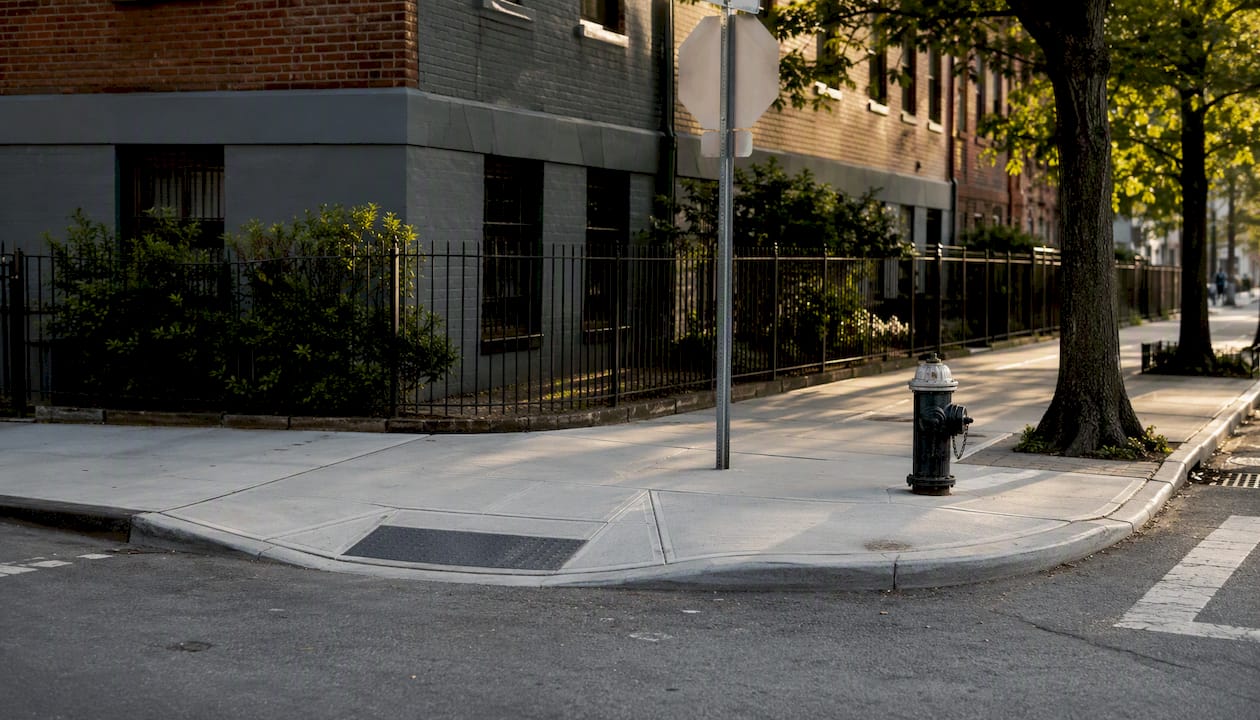
The Department of Buildings governs the zoning compliance, structural plans, and the building-side work permit. The Department of Transportation governs everything happening in the public right-of-way, meaning the sidewalk, the curb itself, and how the cut interacts with street infrastructure. The Department of Consumer and Worker Protection (DCA) licenses the contractors who can legally perform home improvement work tied to the project. NYC311 acts as the front door for filing questions and locating forms. The Environmental Control Board (ECB), adjudicated through the Office of Administrative Trials and Hearings (OATH), is where violations land if something goes wrong.
Agency | Role in the process | When you need them |
DOB | Zoning review, structural plan approval, building permit | Before any work; RDP files here first |
DOT | Sidewalk/curb permit, design spec compliance, OCMC coordination | Before construction; separate from DOB approval |
DCA | Contractor licensing (Home Improvement Contractor) | When hiring the crew performing the physical work |
NYC311 | Filing guidance, form access, borough office contacts | Anytime you need help navigating the process |
ECB/OATH | Violation adjudication and penalty enforcement | Only if work proceeds without proper permits |
Understanding this division matters because owners frequently assume one green light covers everything. It doesn’t. DOB and DOT run parallel, not sequential, tracks that both have to clear.
Who Must File the Application and What Licenses Are Required
The Applicant of Record on any curb cut filing has to be a New York State licensed PE or RA (or a Registered Landscape Architect, in cases where that applies). This person prepares and submits your construction plans directly through DOB NOW: Build, and their license is what gives the filing legal standing. You, as the owner, cannot self-file plans for a curb cut, and neither can an unlicensed contractor.
Your job as the owner is narrower but still essential. You need to provide consent in DOB NOW through your registered owner account, since an RDP cannot submit an application without explicit owner authorization in the portal. You’re also responsible for supplying an accurate, current land survey, and for making sure whoever performs the physical work carries the correct license.
That’s where the DCA Home Improvement Contractor license comes in. The company pouring concrete and cutting the curb needs that license, separate and apart from your RDP’s engineering or architecture license. Confusing the two is one of the more common ways projects stall, because owners hire a contractor first, then discover no licensed design professional has been retained to file anything.
Before you sign a contract with anyone, run through this quick checklist:
Confirm your RDP’s PE or RA license number is active and unrestricted.
Verify the performing contractor holds a current DCA Home Improvement Contractor license.
Request proof of general liability and workers’ compensation insurance from the contractor.
Ask for at least one prior curb cut project the RDP has filed successfully in DOB NOW.
Pro Tip: Order your land survey the same week you sign your RDP contract. Surveys older than 90 days are a frequent rejection trigger, and if your filing timeline slips even a month, you may need a fresh one before your RDP can submit.
How to Apply for a NYC Curb Cut Permit Step by Step
The workflow is sequential, and skipping steps or running them out of order is what turns a six-week project into a six-month one.
Retain your RDP and order the land survey. Do this before anything else touches the DOB NOW system.
Set up DOB NOW: Build access. Since August 28, 2017, all curb cut filings have been mandatory through DOB NOW, and both you and your RDP need active accounts.
Submit owner consent electronically. Your RDP’s filing goes nowhere without your digital sign-off tied to your registered email.
File the PW1 application and supporting plans. NYC311 outlines the PW1 form requirement and directs owners to the relevant DOB borough office when questions come up.
Submit a parallel DOT application for the sidewalk and curb permit. This is not automatic once DOB approves; it’s an entirely separate filing that has to meet DOT’s own technical design specifications, often coordinated through the Office of Construction Mitigation Coordination (OCMC) when nearby street work is involved.
Wait for DOB plan examination and DOT review. Both agencies review independently, and objections from either one can send plans back for revision.
Pull your permits once both approvals clear. Neither approval alone authorizes construction.
Schedule inspections during construction. DOB and DOT both conduct site visits to confirm the work matches approved plans.
Close out the permit. Final sign-off requires passing inspection and submitting as-built documentation.
Phase | Realistic time range |
Survey and RDP plan preparation | 2 to 4 weeks |
DOB plan review cycle | 3 to 8 weeks, longer with objections |
DOT permit review | 4 weeks, depending on OCMC coordination |
Construction and inspections | 1 to 3 weeks once permits issue |
That timeline assumes clean plans on the first submission. Every round of DOB objections or DOT comments adds weeks, which is why getting the plans right the first time saves more money than it costs.
Design and Location Rules That Trip Up Applications
Most rejected curb cut applications fail for the same reason: the proposed location conflicts with a restriction the owner never checked. DOB guidance is direct on this point. Curb cuts typically cannot be located near intersections, bus stops, fire hydrants, trees, or utility poles, and the exact distances vary by zoning district and street classification.
Common triggers for rejection include:
Proximity to a signalized intersection or crosswalk sight line.
Distance from a fire hydrant that falls under the required clearance.
Conflict with an existing street tree pit or protected tree.
Overlap with a bus stop zone or designated no-parking sign location.
Driveway width or curb radius that doesn’t match DOT’s technical standards for sidewalk continuity.
Zoning expertise matters here as much as engineering knowledge, since these constraints shift depending on the district your property sits in. An RDP who has filed dozens of curb cuts in Queens residential zones may still need to double check the rules for a commercial corridor in the Bronx.
Pro Tip: Have your RDP annotate plans with dimensioned distances to the nearest hydrant, tree, and intersection, along with dated site photographs. Preempting DOT’s objections with clear documentation on the first submission is far faster than answering them after a rejection.
Costs and Timeline You Should Budget For
Four cost categories show up on almost every curb cut project: professional fees for your RDP’s plans and filing, DOB filing fees, DOT permit fees, and the contractor’s labor and materials for the physical cut. If a prior illegal curb cut already exists on the property, add a fifth category: remediation costs and potential ECB fines tied to bringing the work into compliance.
Budget for contingency, not just the base estimate. Resubmission fees, a second survey if your first one expires mid-process, and unexpected DOT design changes are common enough that a lean budget with no cushion tends to fall apart around week six. Owners planning alteration work elsewhere on the same property often find it’s more efficient to bundle related permit filings under one coordinated timeline rather than running them separately.
The enforcement backdrop is worth keeping in mind for budgeting too. The same Comptroller audit that flagged $430,014 in potentially unassessed penalties across 1,024 complaints also points to inconsistent inspection follow-up. That inconsistency can work against you two ways: either a legitimate filing takes longer because reviewers are backlogged, or an old illegal cut you inherited with the property surfaces during a routine inspection years later than you’d expect.
What Happens If You Build a Curb Cut Without Permits
Skipping the permit process doesn’t just risk a fine. It risks a stop-work order, mandatory removal, and a formal hearing before OATH that can drag on for months while your property carries an open violation.
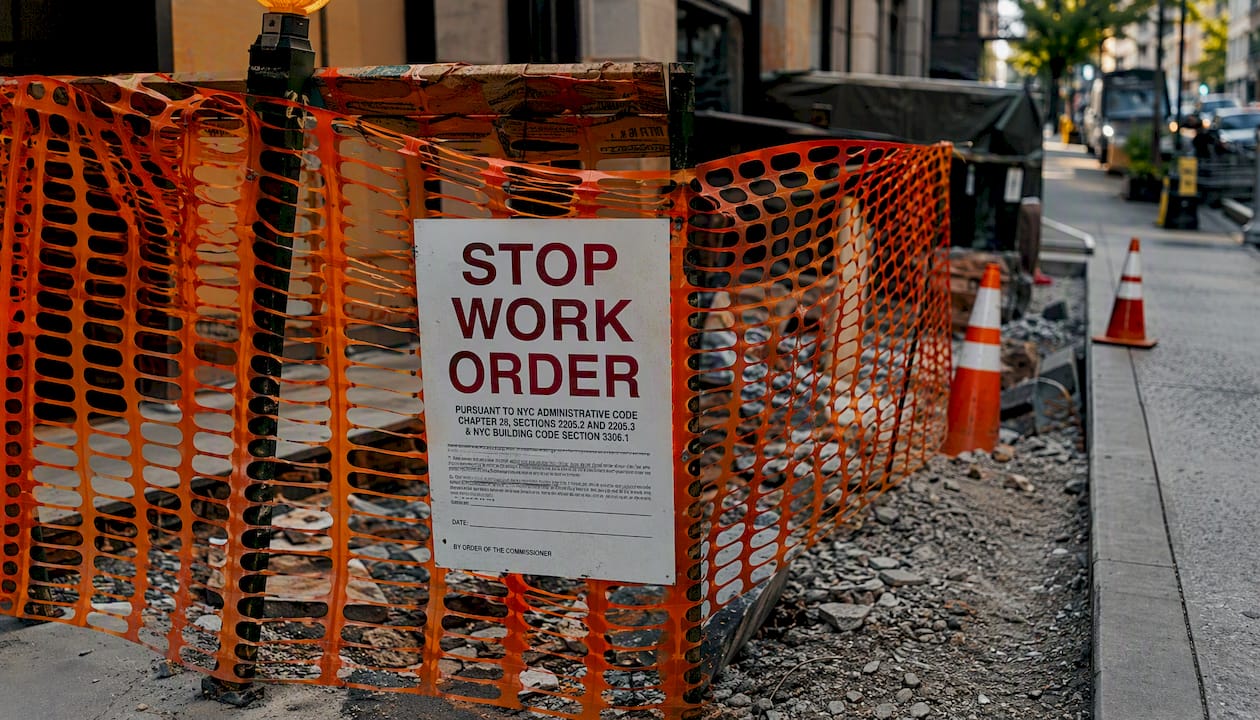
The enforcement sequence usually runs like this: an inspection or complaint triggers a DOB or DOT site visit, an ECB violation gets issued if the cut lacks proper permits, and the case moves to adjudication at OATH. If OATH finds against you, penalties can include fines, a restoration order requiring you to return the curb and sidewalk to original condition, and continued monitoring until the violation clears.
Because NYC relies heavily on complaint-based enforcement, an illegal curb cut installed years ago can sit quietly until a neighbor complains, a new owner buys the property, or a renovation permit application triggers a records check that flags the discrepancy. That delay feels like a reprieve. It isn’t. Interest and complications tend to compound the longer an unpermitted condition goes unaddressed.
If you discover you’re already dealing with an illegal curb cut, or you receive a violation notice, stop work immediately if construction is still active. Bring in an RDP and, if the violation is contested, consider legal counsel to help negotiate a compliance plan with the relevant agency. Owners facing an active stop-work order should treat resolution as the priority before pursuing any other permit work on the property.
Pro Tip: Never argue the merits of a violation before you’ve confirmed exactly what triggered it. Pull the full violation record from DOB and ECB first. Sometimes what looks like an enforcement action is actually a paperwork mismatch that a corrected filing resolves faster than a hearing would.
How to Choose the Right RDP and Contractor
Hiring the wrong team on a curb cut is rarely a licensing problem. It’s usually a coordination problem, where the RDP, the contractor, and the DOT permit process operate on three different assumptions about who’s driving the timeline.
Before signing anyone, run through this vetting checklist:
Confirm the RDP’s PE or RA license is current and verify their filing history with DOB projects similar to yours.
Ask for a portfolio of completed curb cut projects, ideally in a comparable zoning district.
Request contractor references from at least two prior projects involving DOT permits, not just interior work.
Verify the contractor’s DCA Home Improvement Contractor license and confirm bonding and insurance are active.
Ask directly whether the contractor is familiar with DOB NOW closeout procedures, since this is where many projects stall near the finish line.
When interviewing candidates, ask these questions in order:
How many curb cuts have you filed or built in the last two years?
Who manages the DOT coordination, and is that included in your scope or mine?
What’s your process if DOB or DOT issues an objection on the plans?
Can you provide a timeline that separates DOB approval from DOT permit issuance?
Red flags include a contractor with no DOB project record under their license, reluctance to name their filing RDP, or pressure to start physical work “informally” before permits clear. A single general contractor overseeing the RDP, the DOT filing, and the construction crew tends to reduce the sequencing errors that cause the most expensive delays, since one party is accountable for keeping every agency’s timeline aligned. Reviewing a licensed contractor’s credentials before signing anything is worth the extra hour it takes.
How DJ Custom Contracting Handles Curb Cut Permits
Djcustomcontracting approaches every curb cut project as a coordination job first, a construction job second. The workflow starts with owner intake, where the property’s history, prior violations, and current survey status get reviewed before any plans move forward. From there, a current land survey is confirmed or ordered, since a survey older than 90 days is one of the fastest ways to derail an otherwise clean filing.
Once the survey is in hand, Djcustomcontracting coordinates directly with the Registered Design Professional preparing the DOB NOW: Build submission, making sure the plans reflect DOT’s design specifications from the outset rather than after a first-round rejection. The DOT sidewalk and curb permit gets filed in parallel, not as an afterthought, and construction only begins once both agencies have signed off.
Services available for curb cut projects and related violation removal include permit filing coordination, drawing review alongside the RDP, DOT permit procurement, on-site construction management, inspection scheduling, and project closeout. For owners already dealing with an open DOB or DOT violation, the same team can assist with remediation planning and hearing preparation.
Pro Tip: Owners requesting an initial consultation should have their most recent land survey, any prior violation notices, and a rough sketch or description of the intended driveway or access point ready. That short list alone speeds up the first review by days.
The Sequencing Mistake That Costs Owners the Most
Most owner mistakes on curb cut projects trace back to one habit: starting physical work before both DOB and DOT approvals are fully issued. It happens because concrete crews are booked weeks out, and owners don’t want to lose the slot waiting on paperwork. That decision routinely backfires into a stop-work order and a much longer delay than the paperwork would have caused on its own.
The second most common mistake is relying on an outdated survey because getting a new one “seemed unnecessary.” A survey that’s 95 days old instead of 90 doesn’t sound like much of a gap, but DOB and DOT reviewers apply that threshold literally, and a rejected filing on a technicality costs more time than the survey itself would have.
The fix for both problems is the same: sequence DOB and DOT approvals correctly, and treat owner consent in DOB NOW as a gating step, not a formality to handle later. Confirm your RDP has filed the DOB plans, confirm DOT has issued the sidewalk and curb permit in writing, and only then schedule the crew. That order, followed strictly, is what separates a curb cut project that finishes on schedule from one that ends up in front of an ECB hearing.
Get Help With Your Curb Cut Permit and DOT Coordination
Filing a curb cut permit correctly means juggling an RDP, a DOB NOW submission, and a separate DOT approval, all while making sure a licensed contractor is ready to move the moment permits clear. Djcustomcontracting manages that entire sequence under one roof, coordinating the design professional, the DOT filing, construction, inspections, and closeout so nothing falls through the gap between two city agencies working on separate timelines.

For owners dealing with an existing violation instead of a new project, the same team handles remediation planning and helps prepare for an OATH hearing if one is already scheduled. If you’re weighing a larger renovation alongside the curb cut, Djcustomcontracting’s commercial renovation services cover the broader scope so your driveway access and your building work move on a single coordinated timeline instead of two competing ones.
Bring your most recent land survey, any prior DOB or DOT correspondence, and a description of your intended access point to your first consultation. Request a permit consultation with Djcustomcontracting today and get a clear read on your timeline before you commit to a contractor or a start date.
Frequently Asked Questions
Do I need a permit for a curb cut in NYC? Yes. Every curb cut requires DOB plan approval filed by a licensed PE or RA plus a separate DOT sidewalk and curb permit before any construction begins.
How long does a curb cut permit take in NYC? Realistically, expect a several-week timeline for survey and plan preparation, department reviews, and permit coordination, which can vary depending on objections and specific coordination needs.
What happens if I build a curb cut without a permit? You risk an ECB violation, a stop-work order, fines, and a possible OATH hearing requiring restoration of the sidewalk and curb to original condition.
Can a contractor file a curb cut permit application? No. Only a licensed New York State PE or RA can act as Applicant of Record and file the plans in DOB NOW: Build. Contractors perform the physical work under a separate DCA license.
Is there ever an exception to the DOT permit requirement? Minor sidewalk repairs under 25 square feet that are unrelated to violation removal may be exempt from certain DOT permits, but this exception is narrow and should be confirmed with DOT before relying on it.
This article provides general information about NYC curb cut permitting and does not substitute for professional or legal advice. Confirm current requirements with the NYC Department of Buildings, the Department of Transportation, or a licensed design professional before beginning any project.
Sources
Recommended


Comments