


Examples of Structural Additions: 2026 Homeowner Guide


Structural additions are defined as modifications or extensions that increase a building’s usable space or functionality while maintaining structural integrity and code compliance. The most common examples of structural additions include bump-out extensions, two-story expansions, loft conversions, wraparound extensions, and commercial mixed-use additions. Each type serves a distinct purpose, whether you need a larger kitchen, an extra bedroom, or a dedicated workspace. Understanding the right addition for your property requires knowledge of costs, engineering requirements, and permit obligations. This guide covers the full range of options so you can plan with confidence.
1. Examples of structural additions: the most common types
Structural additions in residential construction fall into several well-established categories. Knowing each type helps you match the right solution to your space constraints, budget, and lifestyle goals.
Bump-out extensions are small projections from an existing wall, typically 2 to 15 feet deep. They are ideal for expanding a kitchen, bathroom, or dining area without the cost of a full addition. Because they are modest in scale, they often qualify for simplified permitting in many jurisdictions.
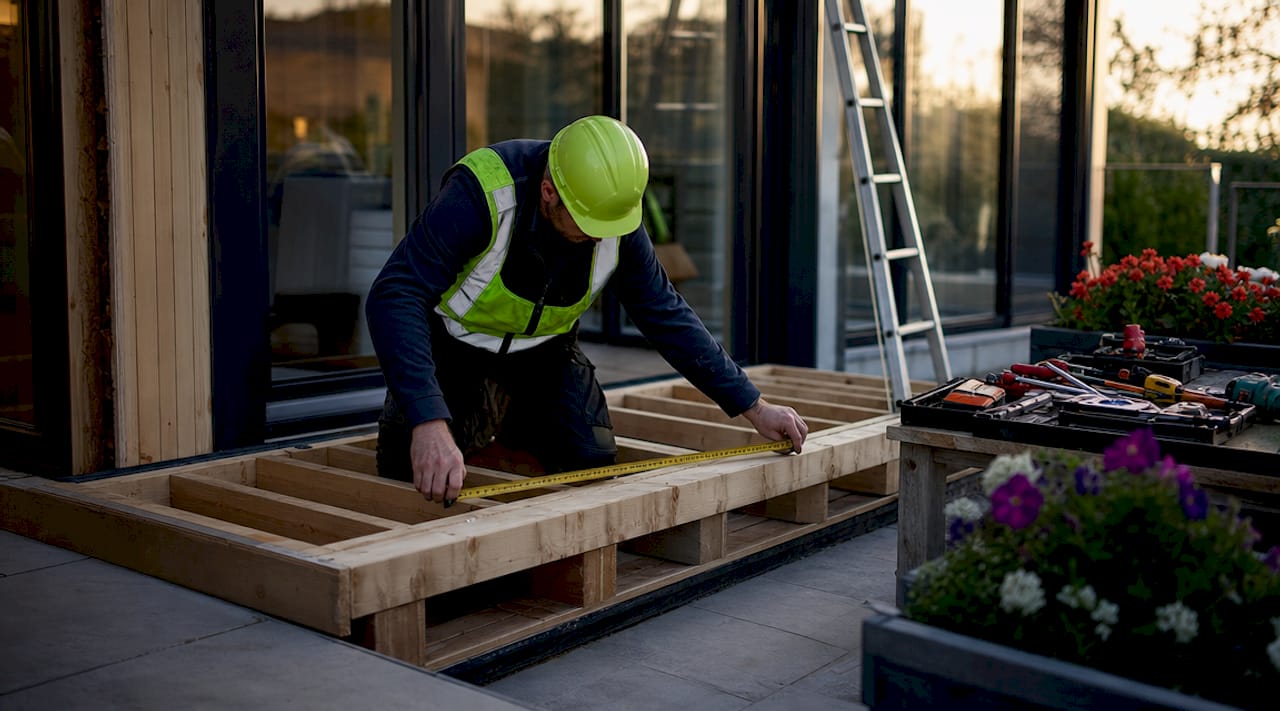
Two-story extensions add floor area on both levels simultaneously, making them one of the most cost-effective per square meter options available. They typically cost between $1,800 and $3,200 per square meter, and the shared foundation and roof structure spreads costs across two floors rather than one. This makes them a strong choice for growing families who need multiple new rooms.
Loft conversions transform unused attic space into livable area. The two most popular subtypes are dormer conversions, which add a vertical window structure to the roofline, and mansard conversions, which rebuild the entire upper roof slope to maximize headroom. Both require structural reinforcement of the existing floor joists.
Side return extensions fill in the narrow alley that runs alongside many semi-detached and terraced homes. They are especially popular for kitchen expansions because they allow natural light to enter from above through glazed roofs. Wraparound extensions combine a rear addition with a side return, typically adding 25 to 40 square meters of usable space. This makes them one of the most transformative single-story options available.
Pro Tip: Before committing to any addition type, review your local zoning setback requirements. Many homeowners discover their preferred addition encroaches on required side or rear yard distances, which forces a redesign late in the process.
2. Innovative and large-scale structural addition examples
Some of the most instructive building extension ideas come from projects that push conventional boundaries. These examples demonstrate what is possible when engineering and design work together.
One of the most striking recent examples is a 952-square-foot treehouse-style addition designed by Benjamin Hall Design in Phoenix. The structure uses elevated steel framing to create a cantilevered living space that appears to float above the existing home. Projects like this illustrate that structural additions can be architectural statements, not just functional boxes.
Commercial and mixed-use additions present a different set of challenges and opportunities:
Vertical commercial expansions add one or more floors to an existing building, requiring a full foundation assessment and often concrete jacketing of existing columns. Concrete jacketing can increase the flexural, shear, and axial capacity of existing concrete elements by up to 200%, which is necessary for heavy expansions.
Rooftop additions on landmark properties require careful massing strategies. For historic buildings in areas like Manhattan, centrally massed rooftop additions reduce public visibility and satisfy preservation requirements.
Mixed-use ground-floor expansions extend a commercial footprint into adjacent lots or underused parking areas, often incorporating steel moment frames to create large open spans.
“Most successful extensions begin with a careful assessment of the existing house, site, and planning context, tailoring designs to optimize daylight, privacy, and flow.” — Harper Latter Architects
For spans under 20 feet, LVL (laminated veneer lumber) beams provide adequate support at lower cost. For longer or heavier spans, steel I-beams are required, and their installation demands cranes and specialized welding, which adds both time and budget to any project.
3. Engineering and permitting essentials for structural additions
Every structural addition, regardless of size, operates within a legal and technical framework. Skipping any part of this process creates liability, safety risk, and potential demolition orders.
Obtain stamped engineering plans. All projects involving weight-bearing elements or framing adjustments require stamped engineering plans and approved permits. A licensed structural engineer must review load paths, foundation capacity, and lateral force resistance before construction begins.
Apply for building permits early. Two-story extensions often require planning permission with an approval process around eight weeks. Submitting incomplete drawings is the most common cause of delays, so work with your contractor to prepare a complete permit package on the first submission.
Assess the existing foundation. The feasibility of any addition depends on the existing foundation condition, soil stability, drainage, and lot coverage before architectural aesthetics are even considered. A geotechnical report is often required for additions over a certain square footage.
Address load-bearing walls correctly. Removing a load-bearing wall to open up space between an existing room and a new addition requires new beams or moment frames. Rigid steel moment frames prevent lateral collapse during seismic or wind events. Underestimating this requirement is the most common structural pitfall in residential additions.
Plan for seismic and wind loads. Modern residential addition structural designs include new roof framing, shear walls, and foundations designed for seismic and wind forces. Douglas Fir Larch lumber and concrete slabs are standard materials for this purpose.
Pro Tip: Hire your structural engineer before your architect finalizes the design. Engineers frequently identify foundation or framing constraints that change the design entirely. Catching these issues early saves significant redesign costs.
For a detailed walkthrough of the permitting and planning process specific to New York and New Jersey, the NYC and NJ additions guide from Djcustomcontracting covers every stage from assessment through certificate of occupancy.
4. Comparing structural addition types: cost, complexity, and suitability
Choosing between house addition examples comes down to three factors: your available budget, your property’s physical constraints, and the amount of space you actually need. The table below provides a practical comparison of the most common residential building enhancements.
Addition type | Avg. cost range | Typical size | Construction time | Best suited for |
Bump-out extension | $15,000–$50,000 | 50–150 sq ft | 4–8 weeks | Kitchen, bathroom, dining room |
Single-story rear extension | $40,000–$120,000 | 150–400 sq ft | 8–16 weeks | Open-plan living, home office |
Wraparound extension | $80,000–$180,000 | 270–430 sq ft | 12–20 weeks | Full ground-floor transformation |
Two-story extension | $100,000–$250,000 | 300–700 sq ft | 16–28 weeks | Multiple bedrooms, growing families |
Loft conversion (dormer) | $30,000–$80,000 | 150–350 sq ft | 6–12 weeks | Bedroom, home office, studio |
Commercial rooftop addition | $200,000+ | Varies | 20–40 weeks | Mixed-use, office expansion |
Budget-conscious homeowners get the most value from loft conversions and bump-outs because both use existing structure and require minimal new foundation work. Two-story extensions deliver the best cost-per-square-foot ratio for large-scale needs, since the foundation and roof costs are shared across two floors rather than one.
Historic properties require a different approach. Massing additions centrally and using materials that complement the original facade are standard requirements in preservation districts. For properties in landmark areas, working with a firm experienced in historic preservation design is not optional. It directly affects permit approval.
Modern homes with open floor plans are best served by rear or wraparound extensions that continue the existing aesthetic. Narrow urban lots benefit most from vertical additions, either a second story or a loft conversion, since lot coverage limits restrict horizontal expansion. You can explore specific residential addition options for NYC and NJ to understand how local zoning affects your choices.
Key takeaways
The most effective structural addition balances functional space gain with engineering compliance, proper permitting, and a design that integrates naturally with the existing structure.
Point | Details |
Match addition type to constraints | Choose bump-outs for tight budgets, two-story extensions for maximum space efficiency. |
Engineering comes before design | Foundation condition, soil stability, and load paths determine feasibility before aesthetics. |
Permits are non-negotiable | All weight-bearing changes require stamped plans and approved permits before construction starts. |
Material choice affects span and cost | LVL beams work for spans under 20 feet; steel I-beams are required for longer spans. |
Historic properties need specialist input | Centrally massed additions and preservation-compliant materials are required for landmark approvals. |
What I’ve learned after years of planning structural additions
After working on additions ranging from modest kitchen bump-outs to full two-story commercial expansions, the single most consistent mistake I see is treating the addition as an isolated project rather than an extension of the whole building system.
Homeowners often arrive with a finished floor plan and a budget, but no assessment of what the existing structure can actually support. I have seen projects where a beautiful rear extension design had to be scrapped entirely because the existing foundation was undersized for the new load. That discovery came after the architect had already been paid. Getting a structural engineer involved at the very start, before design work begins, is the single change that prevents the most expensive surprises.
The second pattern I see consistently is underinvestment in natural light. A rear extension that adds 300 square feet of floor area but relies on a single rear window creates a dark, underused room within two years. Roof lanterns, clerestory windows, and glazed side walls cost more upfront but determine whether the space actually gets used daily.
Finally, I want to address the temptation to cut permitting steps to save time. Unpermitted structural work creates title problems when you sell, voids homeowner insurance in the event of damage, and in some jurisdictions triggers mandatory demolition. The eight-week permit timeline feels long when you are eager to start. It is far shorter than the timeline for correcting unpermitted work after the fact.
The resources at Won2Build Hub offer additional project-scale examples and pricing context that I find useful for benchmarking estimates before a project kicks off.
— DJ
Start your structural addition with Djcustomcontracting
Djcustomcontracting has been delivering residential and commercial additions across New York and New Jersey since 2018. Whether you are planning a single-story rear extension, a two-story expansion, or a commercial mixed-use addition, the team manages every stage from initial assessment and engineering coordination through permitting and final construction.

Djcustomcontracting’s addition and alteration services cover the full project lifecycle, including DOB permit filing, structural plan coordination, and code-compliant construction. The team also handles exterior renovation work that integrates new additions with your existing facade for a finished, cohesive result. No job is too large or too small. Contact Djcustomcontracting to schedule a property assessment and get your addition project moving in the right direction.
FAQ
What are structural additions in construction?
Structural additions are modifications or extensions that increase a building’s usable space while maintaining load-bearing integrity and code compliance. Common examples include bump-out extensions, two-story expansions, loft conversions, and wraparound extensions.
Do structural additions always require permits?
All projects involving weight-bearing elements or framing adjustments require stamped engineering plans and approved permits. Two-story extensions typically go through a planning approval process of around eight weeks.
What is the most cost-effective type of home addition?
Two-story extensions deliver the best cost-per-square-foot value because the foundation and roof costs are distributed across two floors. Loft conversions are the most budget-friendly option for adding a single room without new foundation work.
How do I know if my foundation can support an addition?
A structural engineer must assess the existing foundation condition, soil stability, drainage, and lot coverage before any addition design is finalized. This assessment determines feasibility before architectural plans are drawn.
Can I add a structural addition to a historic property?
Yes, but historic and landmark properties require centrally massed additions and preservation-compliant materials to meet local review board requirements. Working with a firm experienced in historic preservation design is necessary for permit approval in these cases.
Recommended


Comments