


Step-by-Step Guide to Building Home Additions


A home addition is defined as a permanent structural expansion of an existing residence, designed to increase usable living space through new rooms, floors, or attached structures. Following a step-by-step guide to building additions protects you from the two most expensive mistakes in residential construction: skipping feasibility checks and starting construction before permits are approved. In New York and New Jersey, where zoning rules, lot coverage limits, and Department of Buildings requirements add layers of complexity, a phased approach is not optional. It is the difference between a project that finishes on time and one that stalls for months.
How do you define needs and assess site feasibility for a home addition?
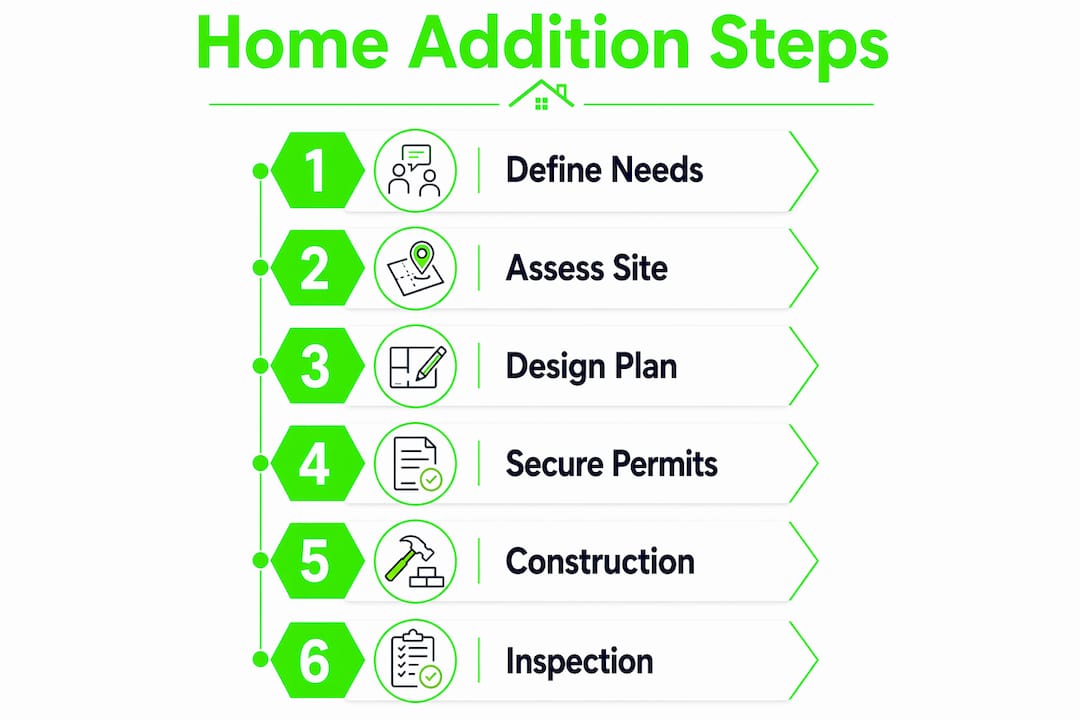
The first step in any addition project is defining what problem you are actually solving. Successful home additions focus on solving specific functional problems, such as improving traffic flow or accommodating multigenerational living, rather than simply adding square footage. A family that needs a ground-floor bedroom for an aging parent has a very different project than one that wants a larger kitchen. Knowing the functional goal shapes every decision that follows.
Once you know what you need, confirm whether your lot and structure can support it. An addition is fundamentally a land-use and structural engineering challenge requiring assessment of lot coverage limits, height restrictions, and the capacity of your existing foundation and roof. In NYC and NJ, zoning variances and neighborhood covenants may limit addition types and sizes, making early engagement with zoning boards a smart move.
Common addition types to evaluate include:
Rear addition: Extends the back of the home. Works well on lots with rear yard setback allowances.
Side addition: Uses side yard space. Subject to side setback minimums, which vary by municipality.
Second-story addition: Adds a full floor above the existing structure. Requires careful foundation and load-bearing wall assessment.
Bump-out: A smaller extension, typically 2–10 feet, off an existing room. Lower cost and faster to permit.
Pro Tip: Hire a structural engineer for a preliminary feasibility review before you spend money on architectural drawings. Older homes in Brooklyn, Queens, or Newark frequently reveal foundation issues that require reinforcement, and catching them early prevents costly redesign later.
What are best practices for planning design and budgeting your home addition?
Design planning starts with testing multiple layout concepts before committing to one. The three most common configurations, rear, side, and second-story, each carry different cost profiles, structural demands, and zoning implications.
Addition Type | Relative Cost | Key Structural Concern | Best For |
Rear Addition | Moderate | Foundation extension | Extra living or dining space |
Side Addition | Moderate | Side setback compliance | Bedroom or bathroom addition |
Second-Story | High | Existing foundation load capacity | Maximum square footage gain |
Bump-Out | Low | Floor joist extension | Kitchen or bathroom expansion |
After selecting a layout direction, work with a licensed architect to develop construction documents. Architects who specialize in NYC or NJ residential projects understand local code requirements and can design around them from the start, saving revision cycles during permit review.
Budgeting requires discipline at this stage. Include a 10–20% contingency fund for unexpected costs that arise during design and construction. That contingency is not a buffer for wish-list upgrades. It covers real surprises: soil conditions, hidden plumbing conflicts, or material price changes.
Key budgeting practices to follow:
Get at least three contractor bids based on the same set of drawings.
Separate hard costs (labor and materials) from soft costs (permits, engineering, design fees).
Choose materials with strong resale value, such as hardwood flooring, fiber cement siding, and energy-efficient windows.
Avoid over-specifying finishes in spaces that will not be primary living areas.
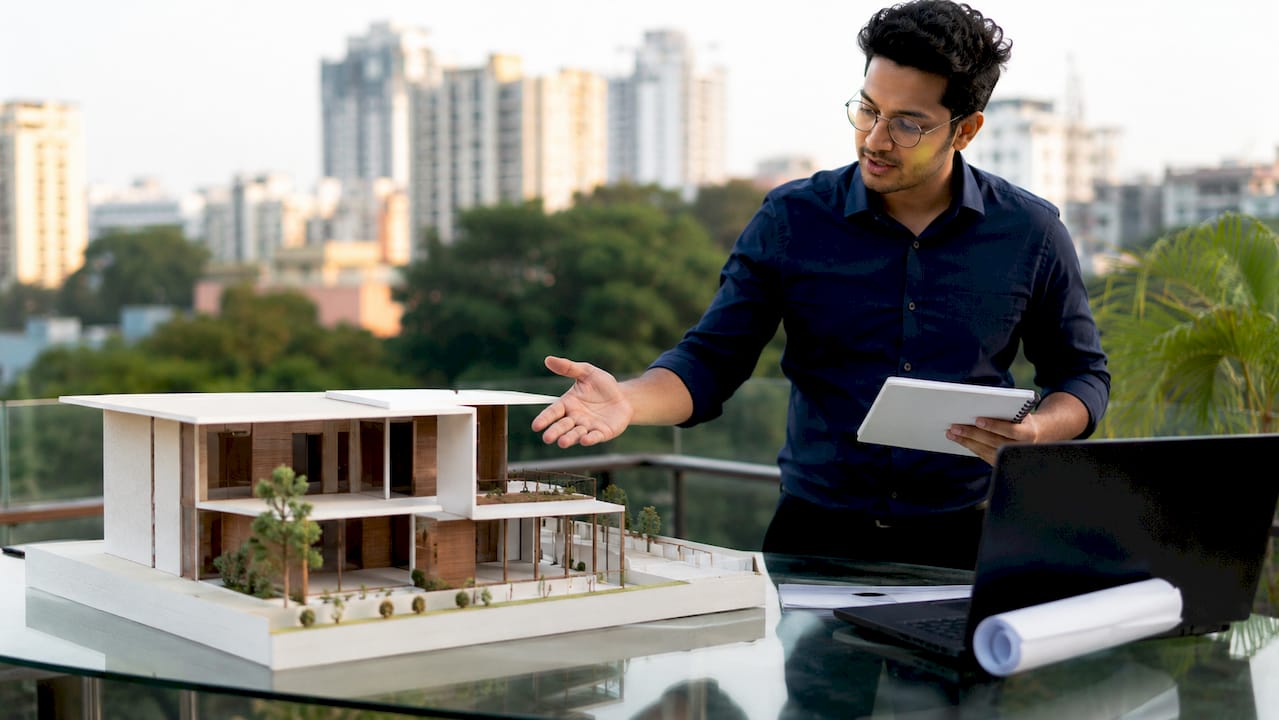
Pro Tip: Architectural renderings can help you visualize the finished addition before breaking ground. Tools like residential rendering services can also improve approval chances with zoning boards by showing how the addition fits the neighborhood context.
How to navigate permits and select contractors for your home addition in NYC and NJ?
Permits are not a formality. Delayed permit applications and failure to consult local code requirements early result in costly redesign and project delays. In New York City, additions require approval from the Department of Buildings, and the process involves zoning compliance review, structural plan review, and potentially landmark or environmental review depending on your location. New Jersey municipalities follow their own permit offices, and timelines vary significantly by town.
Follow these steps to move through the permitting process efficiently:
Research zoning requirements early. Before finalizing your design, confirm your lot’s zoning district, maximum lot coverage, floor area ratio, and setback requirements with your local building department.
Engage your architect during permit prep. Your architect prepares the permit drawings and submits them to the appropriate authority. Errors in submissions are the leading cause of permit delays.
Apply for all required permits simultaneously. Building, electrical, plumbing, and mechanical permits often run on parallel tracks. Staggering them adds weeks to your timeline.
Vet contractors before signing any contract. Selecting a contractor experienced with local NYC/NJ codes reduces the risk of project delays and noncompliance issues. Check their license with the New York State Department of Labor or the New Jersey Division of Consumer Affairs, verify insurance, and call at least two references from similar addition projects.
Confirm the contractor pulls permits in their name. A licensed contractor should pull permits directly. If a contractor asks you to pull permits yourself, treat that as a red flag.
Pro Tip: Build a direct relationship with your local code official early in the process. A brief pre-application meeting can clarify submission requirements and prevent back-and-forth that adds weeks to your approval timeline.
What are the key construction phases and what timeline should you expect?
A realistic construction timeline sets accurate expectations and helps you plan around disruptions. A typical home addition involves 4–8 weeks for plans and permits, 1–2 weeks for foundation work, and 2–4 weeks for framing and roofing, with total construction extending over several months depending on scope.
Phase | Typical Duration | Key Activities |
Plans and Permits | 4–8 weeks | Architectural drawings, permit submission, approval |
Site Preparation | 1 week | Demolition, excavation, utility marking |
Foundation | 1–2 weeks | Footings, foundation walls, waterproofing |
Framing and Roofing | 2–4 weeks | Structural framing, roof tie-in, sheathing |
Rough-Ins | 2–3 weeks | Electrical, plumbing, HVAC installation |
Insulation and Drywall | 1–2 weeks | Insulation, drywall hanging and finishing |
Interior and Exterior Finishes | 3–5 weeks | Flooring, trim, siding, windows, painting |
Final Inspections | 1–2 weeks | Code inspections, punch list, certificate of occupancy |
Structural tie-in is the most technically demanding phase. Structural engineering considerations include load paths, framing connections, foundation bearing capacity, and roof intersection complexities, all of which require professional assessment before finalizing design. Rushing this phase creates long-term structural risk.
Homeowner preparation tips for the construction period:
Establish a temporary living arrangement if the addition connects to a primary living area.
Protect interior spaces from dust and debris with plastic sheeting and sealed doorways.
Confirm a weekly check-in schedule with your contractor to review progress and address issues before they compound.
Keep a written log of all change orders, approvals, and communications.
Final inspections and punch lists finalize the addition project, requiring sign-offs from local officials before you can occupy the new space. Do not skip the punch list review. Walk the completed addition with your contractor and document every unfinished item in writing before releasing final payment.
How do you avoid common mistakes during your home addition project?
The most expensive mistakes in home addition projects are predictable and preventable. Common pitfalls include underestimating foundation reinforcement needs and neglecting site-specific constraints, which lead to major cost overruns. Knowing what to watch for keeps your project on track.
Watch for these warning signs during construction:
Cracks in existing foundation walls discovered during excavation. These may require underpinning before the addition can proceed.
Undersized existing framing in load-bearing walls adjacent to the addition. An engineer must verify these walls can carry new loads.
Unexpected utility conflicts, such as gas lines, sewer laterals, or electrical conduits running through the planned addition footprint.
Soil conditions that differ from initial assessments, requiring deeper footings or engineered fill.
When delays or complications arise, the response matters as much as the problem itself. Maintain weekly written communication with your contractor and keep your architect in the loop on any field changes. Field changes that deviate from permitted drawings require amended permit submissions in NYC and NJ. Skipping that step creates compliance issues at final inspection.
Pro Tip: Create a final planning checklist before construction begins. Include permit copies, contractor insurance certificates, utility locate confirmations, and a signed change order process agreement. Homeowners who document these items at the start resolve disputes faster and with less cost.
“The homeowners who have the smoothest addition projects are the ones who treat planning as seriously as construction. By the time the first shovel hits the ground, every major decision should already be made.”
Key takeaways
A successful home addition in NYC or NJ requires defining functional goals first, then confirming feasibility, securing permits, and managing each construction phase with documented oversight.
Point | Details |
Define function before size | Identify the specific problem the addition solves before selecting a layout or square footage target. |
Confirm feasibility early | Assess zoning limits, lot coverage, and structural capacity before investing in architectural drawings. |
Budget with contingency | Set aside 10–20% of total project cost to cover unexpected structural or site conditions. |
Permit before you build | Submit permit applications early and engage a licensed contractor familiar with NYC/NJ code requirements. |
Inspect and document | Complete a formal punch list and obtain all required sign-offs before occupying the new space. |
What i’ve learned building additions in NYC and NJ
After years of working on residential additions across New York and New Jersey, the pattern I see most often is homeowners who focus on the finish line before they understand the starting line. They have a clear picture of the new room they want. What they underestimate is the regulatory and structural work that has to happen before a single wall goes up.
The projects that go smoothly share one trait: the homeowner treated the addition as a land-use and structural engineering problem first, and a design problem second. That means getting a zoning review done before hiring an architect, not after. It means having a structural engineer look at the existing foundation before committing to a second-story addition. These steps feel slow at the start, but they eliminate the surprises that blow up timelines and budgets.
My other consistent observation is that prioritizing function over size produces better outcomes every time. A well-designed 400-square-foot rear addition that solves a real problem adds more value than a 700-square-foot addition that was built because the lot allowed it. Work with a local NYC/NJ contractor who knows the specific permit office you are dealing with. That local knowledge alone can save you six to eight weeks on a project timeline.
— DJ
Ready to start your home addition project?
Planning a home addition in New York or New Jersey means managing zoning rules, structural assessments, permit submissions, and construction phases all at once. That is a significant coordination challenge for any homeowner to take on alone.

Djcustomcontracting has been handling residential additions across NYC and NJ since 2018, managing every phase from initial feasibility through final inspection. Whether your project involves an interior renovation that reconfigures your existing layout or an exterior addition that expands your footprint, Djcustomcontracting brings licensed expertise, local code knowledge, and a track record of compliant, on-time project delivery. Contact Djcustomcontracting today to discuss your addition goals and get a clear picture of what your project requires.
FAQ
How long does a home addition take from start to finish?
Most home additions take 6–12 months from initial planning to final inspection. The permit phase alone requires 4–8 weeks, and construction typically runs 2–5 months depending on scope and complexity.
Do i need a permit for a home addition in NYC or NJ?
Yes. All structural additions in New York City and New Jersey require building permits. Permits confirm compliance with zoning, structural, fire, energy, and safety codes, and unpermitted work creates legal and resale complications.
What is a realistic budget contingency for a home addition?
Set aside 10–20% of your total project budget as a contingency fund. This covers unexpected costs such as foundation reinforcement, soil conditions, or utility conflicts discovered during construction.
What type of home addition adds the most value?
Additions that solve specific functional problems, such as adding a primary suite, a dedicated home office, or an accessible ground-floor bedroom, consistently deliver stronger resale value than additions built purely for size.
How do i find a qualified contractor for a home addition in NYC or NJ?
Verify the contractor holds a valid license with the New York State Department of Labor or the New Jersey Division of Consumer Affairs, confirm they carry general liability and workers’ compensation insurance, and check references from at least two comparable addition projects in your area.
Recommended


Comments